|
|
|
|
|
|
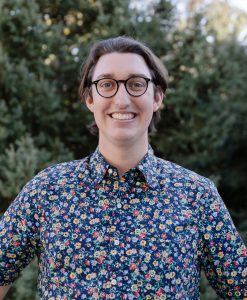
Cortney Dean, Conservation Biologist. Do beaver dams actually increase water temperatures? How do beaver ponds impact water quality, pollutants, and sediments? Conservation Biologist Cortney Dean takes a look at the data, challenges, and unexpected findings of beaver-water research in northwestern Wisconsin. 10:30 am; online; register here.
|
|
|
David Battisti, Professor, University of Washington. The leading pattern of year-to-year variability in summertime (JJA) temperature in the western US spans the entire domain and explains over half the total variance in temperature and in total forest area burned in the western US. In observations, this pattern is linked to springtime (MAM) soil moisture anomalies in the southwest (SW) US that are, in turn, linked to wintertime (DJF) precipitation anomalies; as an example, negative precipitation anomalies in DJF are followed by soil moisture deficits in MAM the SW US that give rise to warmer-than-normal JJA temperatures throughout the western US. Climate models (with and without interactive oceans) reproduce the observed relationships. We present new experiments that show the variance in summertime temperature throughout the western US is causally linked to preceding springtime soil moisture anomalies in the southwest US and that illuminate aspects of the underlying physics. 3:30-4:30 pm; 811 AOSS or Online.
|
“How do I, as a BIPOC woman, fit into nature?” “What role do women play in preserving our outdoor spaces?” These are some of the questions explored in Mother: Sisterhood in the Wild, a new documentary feature film by Chad Brown. Join the Nelson Institute for Environmental Studies as we host a free screening of the film, followed by a moderated panel discussion with the filmmaker. 6:30-8:15; Marquee Cinema, Union South, 1308 W. Dayton St.
|
|
|
Exploring the ecological dynamics of newly flooded littoral habitat in Fish Lake, Wisconsin, USA
Cassie Ceballos, Center for Limnology. 12:05-12:55pm; Water Science and Engineering Lab (2nd floor West) and Zoom.
|
|
|
|
|
|
|
Highlighted deadlines occur prior to our next newsletter.
★ next to opportunities are new this week!
Click on blue text for more information.
|
|
|
We are recruiting for the Agricultural Runoff Section Manager position at DNR, which oversees Wisconsin’s CAFO and Agricultural Nonpoint programs. Applications due Sept. 29
|
|
|
INTERNSHIPS/FELLOWSHIPS/RESEARCH OPPORTUNITIES
|
The student will work collaboratively with Dr. Kevin Wagner and other faculty on a USDA funded project to evaluate the impact of regenerative agricultural practices including cover cropping, crop rotation, no-tillage, and prescriptive grazing on soil, water, crop yields, greenhouse gases, carbon sequestration, and economics. Our goal is to intensify agricultural production while simultaneously maximizing ecosystem. Reach out to Water@UW-Madison for the full call. Respond by sending a cover letter describing research interests and experience, resume or CV, academic writing sample, and the names and contacts for three references to Dr. Kevin Wagner, kevin.wagner@okstate.edu Applications due Nov 15.
|
This undergraduate position works closely with CWP’s two Water Policy and Science Communications Graduate Fellows to identify stakeholder audiences and share research, publications, media spotlights, and other water policy content. The intern will focus on working with Graduate Fellows to create social media content, monitor water law and policy news, and report on the performance of CWP’s communications. Applications due Sept 26, rolling.
|
The new Freshwater and Marine Sciences Certificate is now open for declaration! Freshwater and marine ecosystems are vital to human well-being. Both freshwater and marine systems are also highly threatened. Creating a sustainable future will require people with a foundational understanding of these ecosystems.
|
|
|
|
|
The community-based learning course development grant supports the development of new community-based learning courses or the addition of a community-based component. Administered by the Morgridge Center, up to $5K per course is available for new community-based learning courses or current courses that add a community-based learning component. This grant can only be awarded once per course or course section. Applications due Sept 26.
|
Community-based research is that which is conducted in collaboration with community members to address a community-identified question, with the goal of producing knowledge and social action, change, and/or justice. Up to $5K available per project. In this context, ‘community’ may refer to a specific organization, geographic area, or collection of individuals or grassroots groups with a common goal. Applications due Sept. 26.
|
Grants to foster public engagement and the advancement of the Wisconsin Idea, the principle that education should influence people’s lives beyond the boundaries of the classroom. Proposals are encouraged for new community-engaged activities that partner with community and off-campus organizations to extend and apply research, education, and practice-based knowledge to address needs and foster mutual learning. Up to $4K seed grant proposals and $120K project grant applications due Sept. 30.
|
Support for creatives to work in collaboration with a water professional to create art inspired by water research. $300-500 provided to offset artists' purchase of supplies and travel to the spring exhibition. Now accepting applications from creatives UW system-wide. Also accepting applications from water professionals and researchers interested in collaborating with undergraduate artists (no compensation provided). Applications due Oct. 31.
|
Are you a STEM grad student or postdoc interested in a career involving teaching or community engagement? Consider applying to be a WISCIENCE Fellow! We offer three immersive, year-long Fellows Programs that equip you to build a career that has a meaningful impact in the classroom or the community. Each program pairs in-depth training in inclusive, evidence-based practices with hands-on experience in a mentored practicum. Apply by Oct. 18
|
WCMP Grants are available for coastal wetland protection and habitat restoration, nonpoint source pollution control, coastal resource and community planning, Great Lakes education, public access and historic preservation. We anticipate awarding up to $1.3M. Applications due Nov. 3.
|
We are interested in innovative, ambitious pitches to improve the Great Lakes Ecosystem. GLPF takes a basin-wide view and has decades of experience creating change. Give us a call! Early conversations help us understand your vision for making a transformational impact on the Great Lakes ecosystem. To start, take a look at our list of strategic priorities and read our funding guidelines. They describe what we’re looking for and what we fund. But remember, we’re open to discussing any project with the potential to transform the Great Lakes for the better.
|
|
|
|
|
Sept. 21-28. Ithaca, NY and Livestream. Critical climate conversations—spanning nuclear energy, AI for climate, nature finance, built environment, health, and agriculture.
|
Sept. 29-Oct 3. Traverse City, MI and virtual. The 2025 meeting will feature symposia on piping plovers, common terns, and rails; and a workshop on GPS apps; Fun and engaging student events to foster networking and professional development; A welcoming community of passionate scientists and conservationists. Registration extended.
|
Oct. 7, 6:30–8:30 pm. join us for UW–Madison’s 2025 Climate Change Symposium. The Climate Change Symposium is an annual event that brings together experts and community members alike to explore timely issues in climate science. This year, our keynote and panel discussion will explore climate solutions for building resilient communities — both in the sciences and society.
|
Oct. 14, noon. Join this Freshwater Collaborative webinar with Alaina Harkness, CEO of Current and CEO & PI of Great Lakes RENEW, as she introduces this NSF-funded, six-state initiative reshaping the future of water in our region. Great Lakes RENEW is focused on recovering critical minerals, removing harmful contaminants, and securing our region’s freshwater resources to strengthen supply chains, protect public and environmental health, and fuel economic growth. Register here. Register here.
|
Nov. 4-7. Myrtle Beach, South Carolina. Navigating Change Together: Enhancing Lake, Reservoir, and Watershed Resilience. Registration deadline Oct. 24.
|
Oct. 30 - Nov. 1. Columbus, OH. The NDiSTEM Conference is the leading multidisciplinary and multicultural STEM event in the country, a true celebration of science, culture, and community that serves, equips, and energizes participants for their academic and professional paths in STEM. Register for regular rates by Sept. 30.
|
Oct. 28-30. Duluth, MN. Our meetings offer an opportunity for Great Lakes stakeholders to convene with colleagues and share perspectives on important Great Lakes issues. Join us as we continue to address issues of common concern, develop shared solutions and collectively advance an agenda to protect and enhance the region’s economic prosperity and environmental health. Registration closes Oct. 20.
|
Dec. 15-19. New Orleans, LA. AGU25: Where Science Connects us. Connections. They link us together. Make us stronger. Help us grow. Give us hope. Move us forward. The Earth and space science community is all about connection. A vibrant hive of research, discovery, action, and solution. Connections twist and move. They pivot unpredictably. They can challenge us, surprise us, and sometimes delight us. From the lab to the field to the ballot box, science depends on connection. At AGU25 we celebrate all the ways we connect. The purpose of what we connect. The power of how we connect. The promise of where we connect. Early registration closes Nov. 6.
|
Feb 22-27. Glasgow, Scotland. The Ocean Sciences Meeting (OSM) is the flagship conference for the ocean sciences and the larger ocean-connected community. At OSM, attendees from across the globe come together to advance global science, discover the latest research findings, and connect with peers, leading experts, and organizations committed to ocean sustainability.
|
Feb. 24-26. Baraboo, WI; The annual Wetland Science Conference is a program of Wisconsin Wetlands Association. The conference typically runs for 2-3 days and includes a keynote address, topical oral sessions, a poster session, workshops, working groups, a Wednesday evening networking event, and field trips to area wetlands. The Call for Special Sessions is open now through Sept. 29. Call for abstracts through Nov. 15.
|
April 15-17. Stevens Point, WI. The 2026 Lakes and Rivers Convention is accepting presentation proposals for its annual conference. The deadline is Oct. 1. This is a student-friendly event! Students are encouraged to present a poster or lightning talk. The event will take place April 15-17 in Stevens Point. Details for submissions are here.
|
April 28-29. Champaign, IL and Online. The conference will feature traditional 15-minute presentations and a poster session on the latest in emerging contaminant research, policies, and outreach in the soil, water, and air. In addition, there will be plenty of opportunities for discussion and networking with those interested in all aspects of emerging contaminants in the environment. Speaker and panel session proposals accepted through Sept. 30.
|
May 12-16. Montreal, Canada. Aquatic Confluence: Science. People. Knowledge. This congress will stimulate exchange of methodological approaches and learning across scales by bringing together scientists from freshwater and marine realms. The many ways these environments intersect will be a focal point, be it through organismal interactions or processes of stratification that underpin biogeochemical states. Furthermore, we wish to evoke connections among scientists as well as with stakeholders and indigenous knowledge keepers in the spirit of codesign to address society’s greatest issues around aquatic habitats and water resources. Abstracts due & early registration ends Nov. 5
|
|
|
Collaborative Action for Lake Michigan Coastal Resilience (CALM) is hosting a field trip to Upper Lake Park and Valley Creek in Port Washington. The event will be led by Interim Executive Director of Lakeshore Natural Resource Partnership Amy Lentz, Port Washington Public Works Director Robert Vanden Noven, and Stantec Environmental Scientist/Botanist Melissa Curran. Attendees will receive a tour of both sites and learn about how the city is planning to address bluff instability, preserve beach access, and implement a watershed-wide project that reduces flooding. Sept. 30th, 10am-12pm. Those interested may register here.
|
A new lunch and learn seminar series hosted by SERA-46. The first seminar focuses on the Upper Basin and features three outstanding early career researchers from Minnesota, Wisconsin, and Iowa. This series showcases innovative solutions from the next generation of water quality scientists - "Emerging Voices, Innovative Solutions." It's a great opportunity to learn about breakthrough research and connect with the broader Mississippi River Basin research community. Oct. 6, noon-1pm. Online. Register here.
|
The Great Lakes of North America were once at much lower water levels, and during these times, people, plants, and animals inhabited shorelines that are now submerged. Underwater archaeological research has revealed that 9,000 years ago people were hunting animals and using stone tools on the Alpena-Amberley Ridge, a feature that now lies 100 feet beneath the waves of Lake Huron. Join Ashley Lemke, an Associate Professor of Anthropology at the University of Wisconsin–Milwaukee, for an overview of her work as an archaeologist on land and underwater. Oct. 7, 1 - 2pm; register here.
|
Through this challenge, we seek technology solutions and/or new systems, processes or tools for decision making support for water quality addressing any stage of the water cycle related to human consumption, including drinking water and wastewater systems across residential, commercial and utility-scale applications well as their distribution networks. Compete for a top prize of $10,000, opportunity for corporate partnerships, receive corporate experts and feedback. Application deadline is Oct. 10.
|
Waterpower Club Launch Meeting
We invite you to join us at our club kickoff and networking event. We will provide an introduction to the Waterpower Club and its leadership, pizza and drinks, and opportunities to network with industry experts. email waterpowerwi@gmail.com for more information. Oct. 10, 6-8pm, Room 1115 of the Wisconsin Energy Institute. RSVP here.
|
NALMS is working to better understand the lake management needs and interests across Latin America. This short survey is part of a broader effort to build stronger, more inclusive relationships between NALMS, CALMS (California Lake Management Society), LAGO (Latin America Global Outreach), and lake-focused organizations throughout the region.Your input will directly inform our outreach strategies and help ensure that NALMS continues to engage diverse voices in meaningful ways.
Open until Nov. 21, 2025
|
|
|
Current’s Third Coast Water Seminar Series is back! Relaunching in Fall 2025, the series returns with a sharpened focus on the research, technologies, and policies advancing a circular water economy both in the Great Lakes region, the broader U.S., and globally. First Wednesday of each month.
|
Every Wednesday 12:05 - 12:55 in WSEL 2nd floor West and Zoom
|
Educational talk series open to the public. Approximately monthly at the East Side Club, 3:30-5pm.
|
Every Tuesday from 1-2 pm in AOSS room 823 or livestreamed
|
Click here to receive notifications for upcoming webinars.
|
To subscribe/unsubscribe: Send an email with the word 'subscribe' or 'unsubscribe' in the subject or body to OneNOAAscienceseminars-request@list.woc.noaa.gov
|
Sept. 24, Oct. 22 and Nov. 19; 1-2pm
|
Bring your coffee and learn about wetlands! Sessions are held on Zoom and feature time for audience Q&A. Dates vary.
|
|
|
Help out with office work, events, fieldwork, or a group volunteering event.
|
We are happy to place volunteers on projects that support our lakes! Opportunities include skilled office and administration assistance, special events, and watershed projects like shoreline restoration or beach clean ups.
|
|
|
Wisconsin Sea Grant and Water Resources Institute listserv
The University of Wisconsin Sea Grant and Water Resources Institutes routinely share information about state and federal research and fellowship funding opportunities. To subscribe to Sea Grant and the Water Resources Institutes’ RFP listserv, send an email to jennifer.hauxwell@aqua.wisc.edu.
|
Wisconsin Sea Grant Education Listserv
Wisconsin Sea Grant invites you to join our listserv to receive announcements for professional learning opportunities and resources for teaching Great Lakes literacy to educators, students, youth and families. Send an email to akmoser@aqua.wisc.edu to be added to our list.
|
|
|
Send an email to limnology@mailplus.wisc.edu with subject line: Add to newsletter email list.
|
|
|
|
|
|
|
|
|
|
|
GLIN-Announce; GLIN-Jobs; Great Lakes Daily News; Great Lakes Commission News
|
Email gbconservationpartners@gmail.com to join.
|
|
|
The North Central Region Water Network is a 12-state extension-led collaboration working to ensure safe and sufficient water supplies across the North Central Region and beyond.
|
|
|
Water@UW-Madison is a resource for communication, collaboration, and information on water related research, events, and outreach in the UW water community and beyond.
|
Want to share a water-related shout-out, opportunity, or event?
Send an email with the name, date, time, location, and webpage of the event to water@mailplus.wisc.edu.
|