Greetings from the Center for Campus History and happy spring (ish?)! We hope everyone is surviving the last push of the semester. Things have been busy at the Center but we’re psyched we were able to take some time to celebrate Asian Pacific Islander Desi American (APIDA) Heritage Month on campus! (More info here.) April's edition of the newsletter is as packed as everyone’s schedule with new Center research updates, book recommendations, archival finds and more!
The University of Wisconsin–Madison’s Rebecca M. Blank Center For Campus History is an ongoing effort to expand and enrich UW-Madison’s historical narrative by centering the voices, experiences, and struggles of marginalized groups. As always, if you have a story to share, an event you think should be researched, or a person you think has been overlooked, please email us at centerforcampushistory@wisc.edu.
|
|
|
|
|
|
One of the biggest things we think about at the CCH is how to make our work as accessible as possible. Because, frankly, what good is having the Center’s students and staff dive into the undertold histories of UW if nobody sees it?
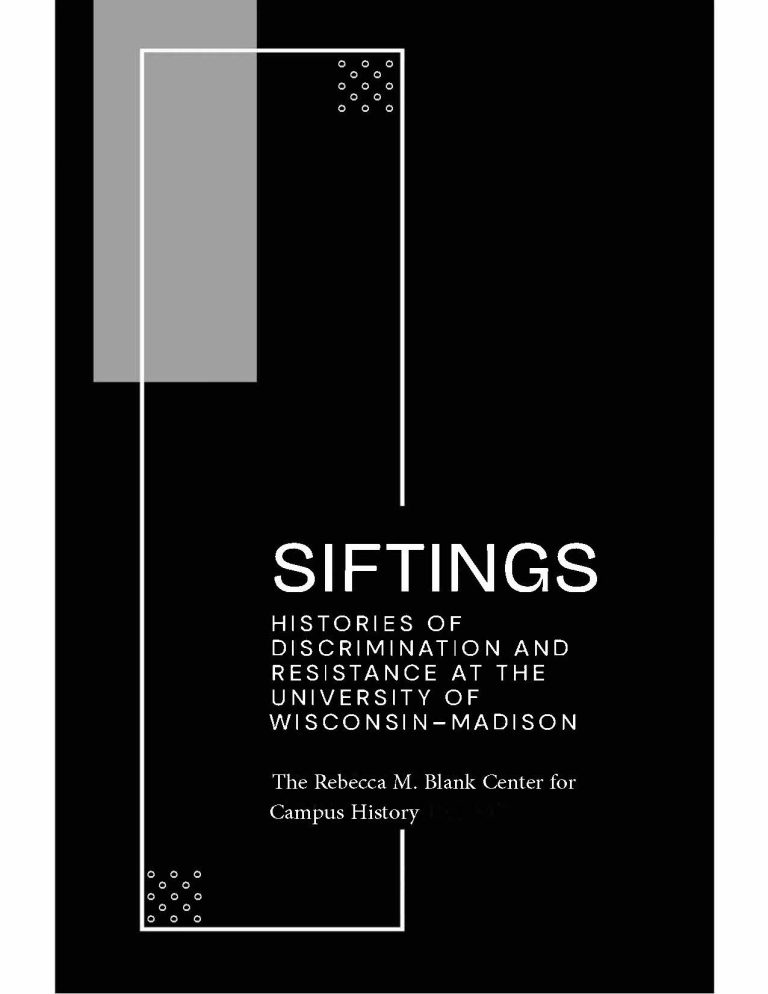
That’s why we’re excited to share that we’ve combined all of the Center’s writing and research for our digital publication Siftings into an e-book.
You can now read all our published work in a single volume in either an online or PDF version, with downloadable chapters and both thematic and chronological tables of contents for folks who are interested in looking at specific topics or years. Whether you are looking to assign individual chapters for course readings, or want a copy of all our published research, this should make the Center’s writings more available.
|
|
|
|
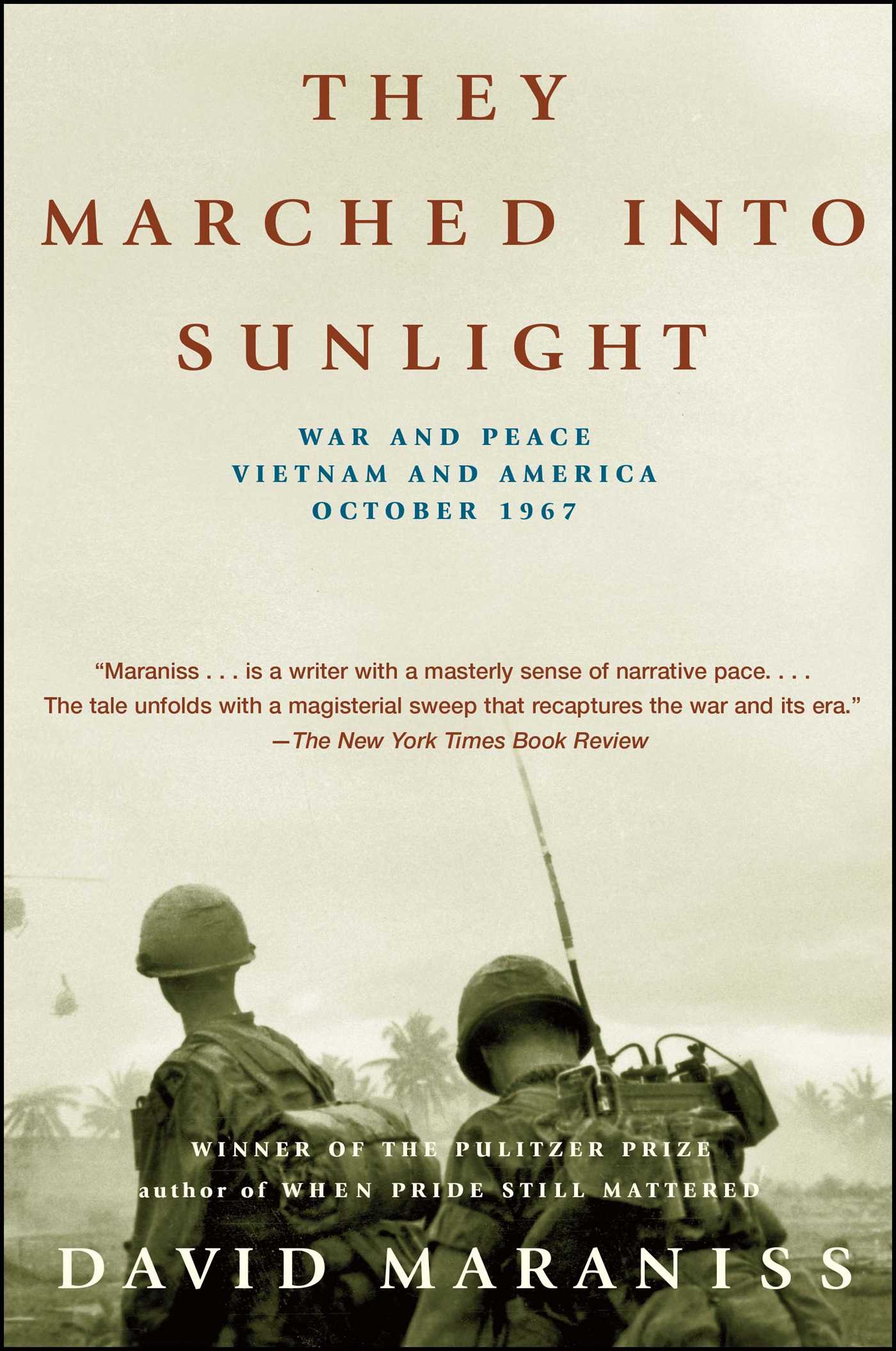
Each month, we like to share one of the many (many… many… ) books that have helped the Center’s research.
In this seminal work, Maraniss uses dozens of interviews and thousands of primary documents to weave together stories of the death and heroism of soldiers in Vietnam, the anger and anxiety of antiwar students back home, and the confusion and obfuscating behavior of officials in Washington.
|
|
|
|
|
|
We get asked a lot of questions about UW history. Each month we’ll answer one in the newsletter.
This month: The Terrace chairs appearing at the Memorial Union every year is one of my favorite spring traditions at UW. How long has it been going on and where did those distinctive chairs come from?
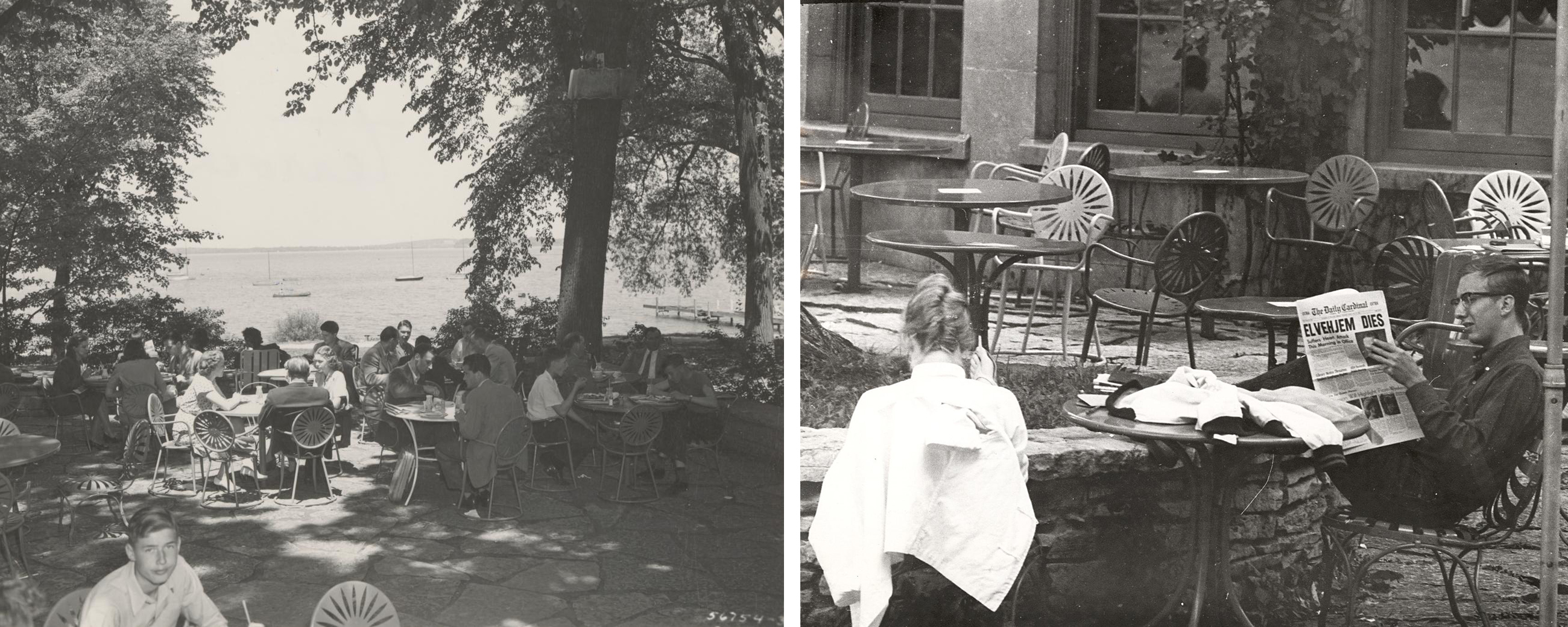
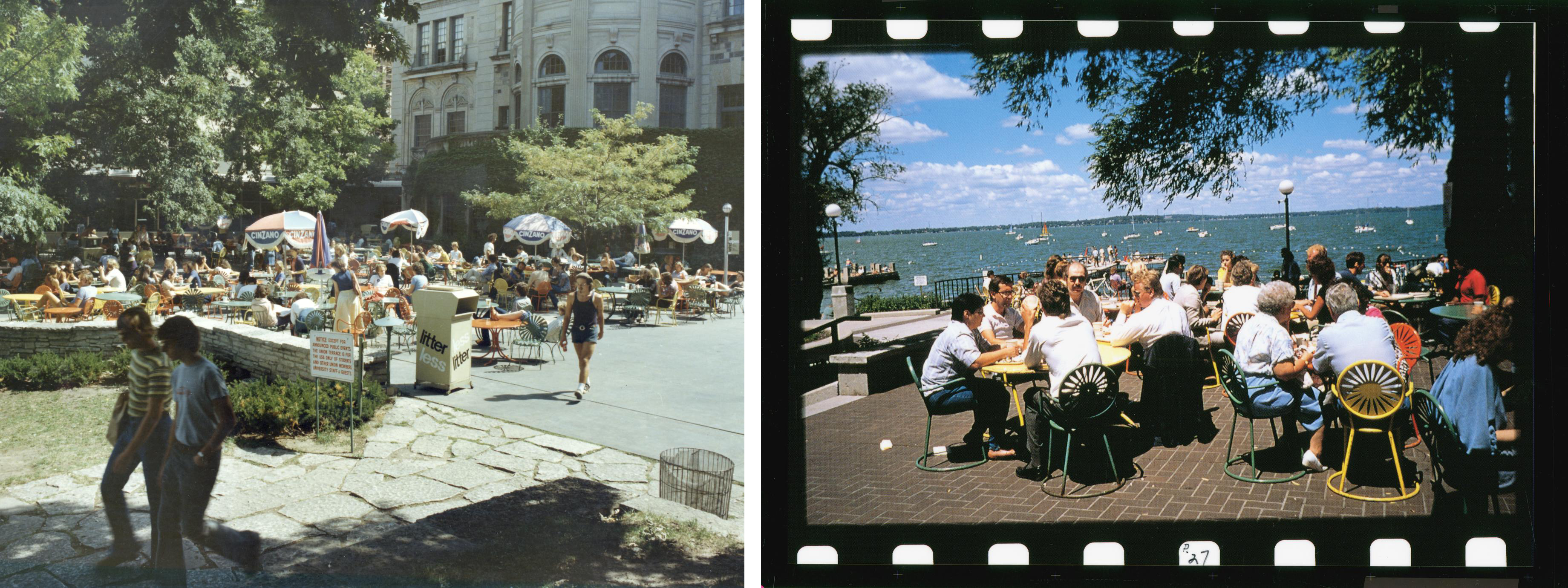
The answer: Well, like many stories in history, things kinda happened in stages. According to info from the Wisconsin Alumni Association and the Memorial Union, the Terrace along the shore of Lake Mendota opened almost a century ago in 1929 but the original seating choice was rustic wooden chairs. By the early 1930s, those were swapped with more durable metal chairs in a few different styles, including ones similar to the sunburst design that we know today. The flat seat of those chairs proved to be the least susceptible to rust, so by the 1960s or 70s the other variants were phased out and the sunburst reigned supreme as a summer icon. (And one other Terrace chair tidbit: the green and orange shades were chosen to match two different Wisconsin tractor companies.)
Check out some photos below of Terrace chairs throughout the decades.
Have a question about UW-Madison history? Email us at centerforcampushistory@wisc.edu
|
|
|
|
|
Memorial Union Terrace chairs through the decades (1940s, 1960s, 1970s and 1990s). UW Archives
|
|
|
|
Usually Center Director Kacie Lucchini Butcher uses this space to share a book, podcast, movie, quote, or something else she thinks has been adding to the CCH. But this month Curricular Program Manager Daniel Berman is pinch hitting.
So, from the Desk of KLB DB: “Given the ongoing conflict in the Middle East, I wanted to highlight Confronting Iran: The Failure of American Foreign Policy and the Next Great Crisis in the Middle East by Ali Ansari, a leading scholar on Iranian history. Ansari's analysis of US-Iranian relations during the 20th century is a helpful resource for those wanting more historical context about contemporary international relations. Confronting Iran garnered many positive reviews, with one reviewer calling it a ‘useful source for those who seek a broad, jargon-free, and politically balanced history of Iran's relationship with the United States.’”
|
|
|
|
As always, if you have a story to share, an event you think should be researched, or a person you think has been overlooked, please email us at centerforcampushistory@wisc.edu.
|
|
|
|
|