Greetings from the Center for Campus History and happy back to school season! (Or maybe happy last few fleeting days of summer before back to school?) We’ve taken a bit of a newsletter vacation that last couple months but we’re back with Center updates, teaching materials, book recommendations and more!
The University of Wisconsin–Madison’s Rebecca M. Blank Center For Campus History is an ongoing effort to expand and enrich UW-Madison’s historical narrative by centering the voices, experiences, and struggles of marginalized groups. As always, if you have a story to share, an event you think should be researched, or a person you think has been overlooked, please email us at centerforcampushistory@wisc.edu.
|
|
|
|
|
|
Are you an instructor? Or maybe just a history nerd craving fresh primary sources and supplemental readings? Well, either way the Center for Campus History has you covered.
Part of our mission at the CCH is to make our research on histories of discrimination and resistance at UW-Madison available as widely as possible. That includes a huge collection of teaching guides and other educational materials on everything from student activism to athletics, and the legacy of eugenics to the history of campus policing.
All our teaching materials are totally free to access and are made to be flexible so instructors can adapt them to best fit the needs of their particular lesson plans, students, and classrooms. We’re rolling out new teaching guides this semester, as well as our first batch of campus walking tours. You can find more info on our website and on Canvas.
|
|
|
|
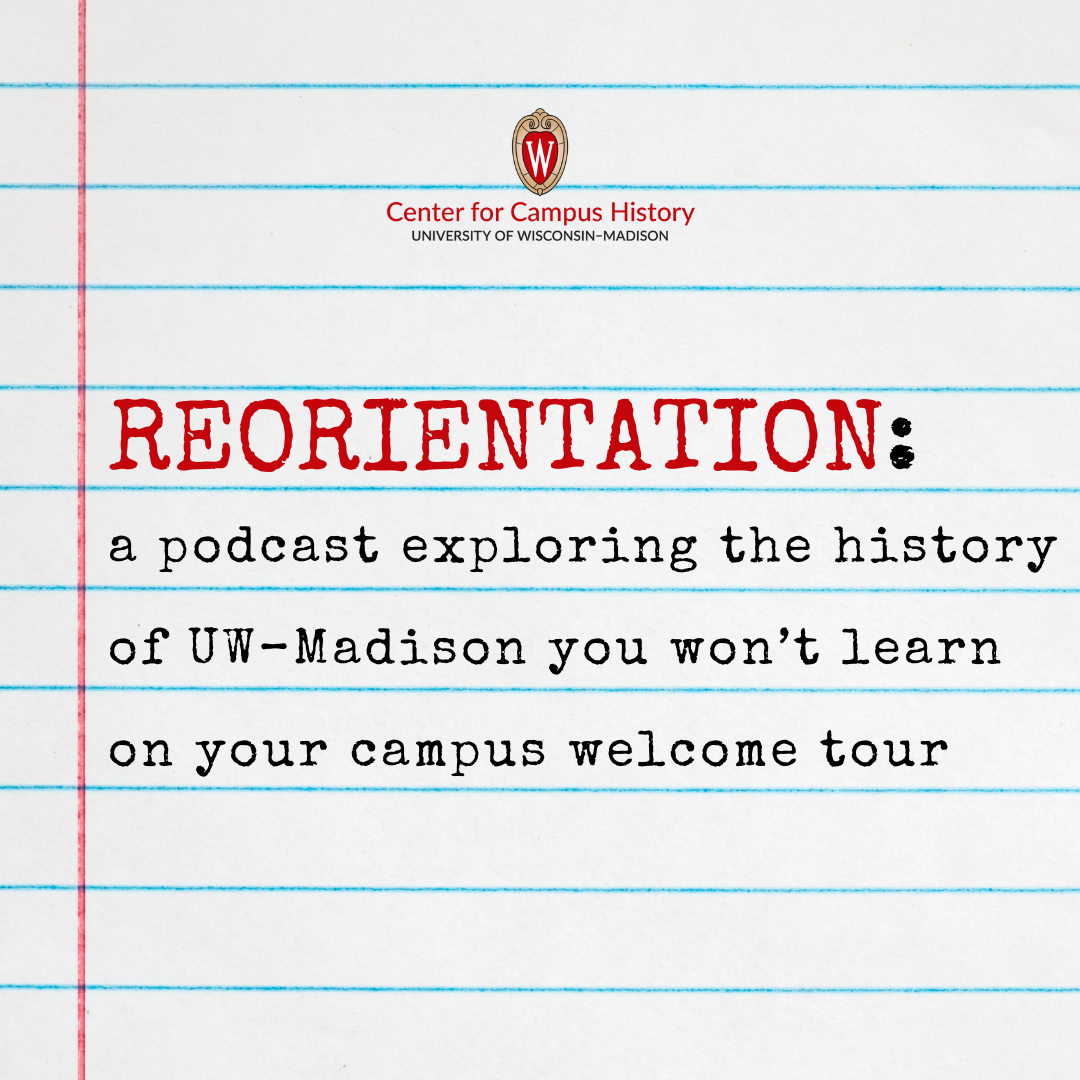
How did UW-Madison get a reputation as a protest school? Who gets to decide when a protest is appropriate, or successful or “violent”? Why did 35 people get arrested in 1969 over the direction of a bus lane?
These are just a few of the questions we’re diving into on the new season of Reorientation, the Center’s narrative history podcast. Each season brings together original research and interviews with experts to explore some aspects of UW’s story, and for Season 3 we’re diving into student protest. From the biggies like the Vietnam War and Black Power to the earliest instances of organizing on campus, we’re asking why student protest matters.
You can head to our website to listen to our first two seasons and subscribe to be ready when Season 3 drops this fall.
|
|
|
|
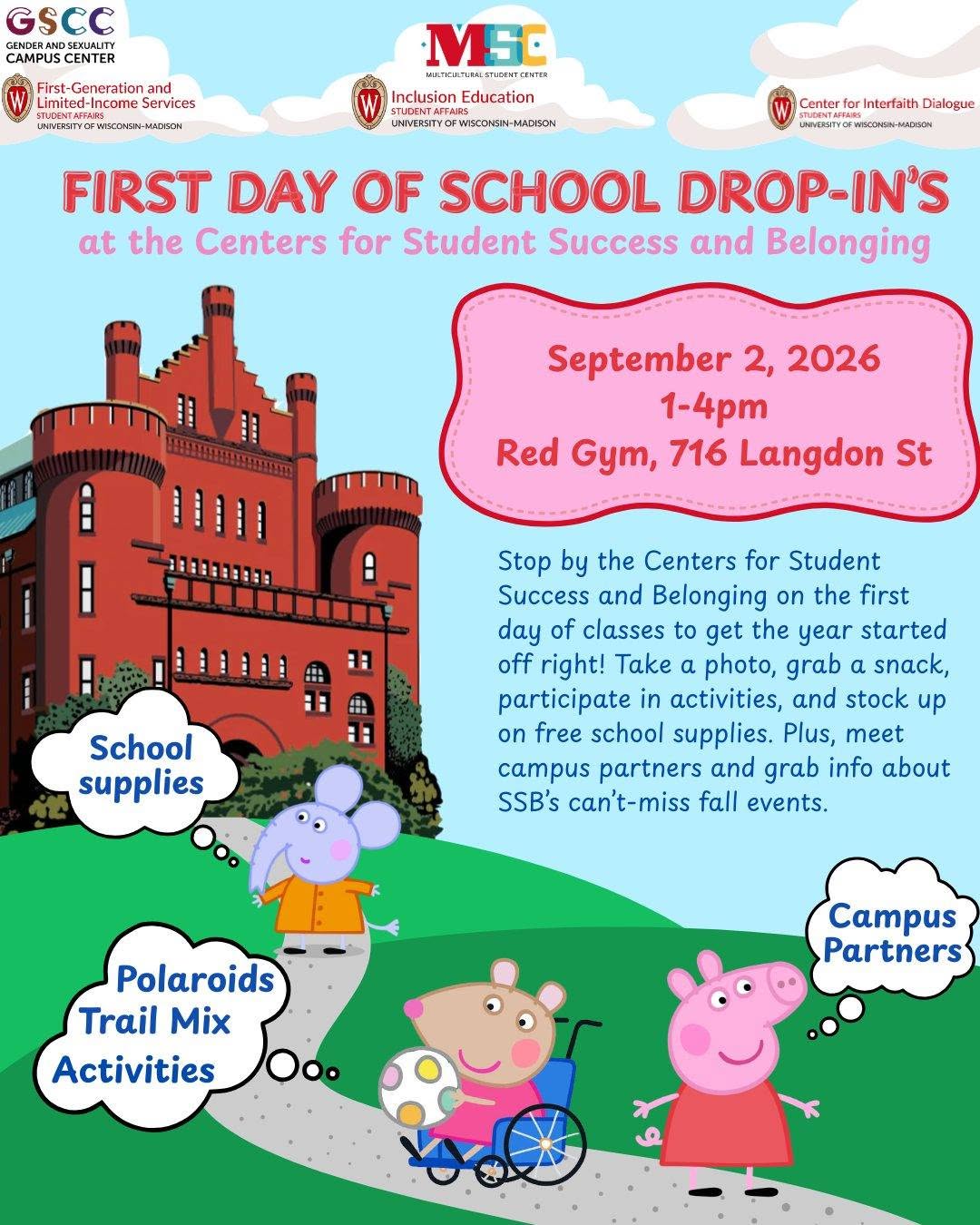
Looking for a fun way to ease into the semester?Swing by the UW-Madison Multicultural Student Center for their First Day of School Drop-In event.
Grab some snacks and school supplies, hang out for some activities, and get info about the MSC’s Centers for Student Success and Belonging and other campus resources!
Wednesday, September 2, 2026
1- 4 PM at the Red Gym
|
|
|
|
|
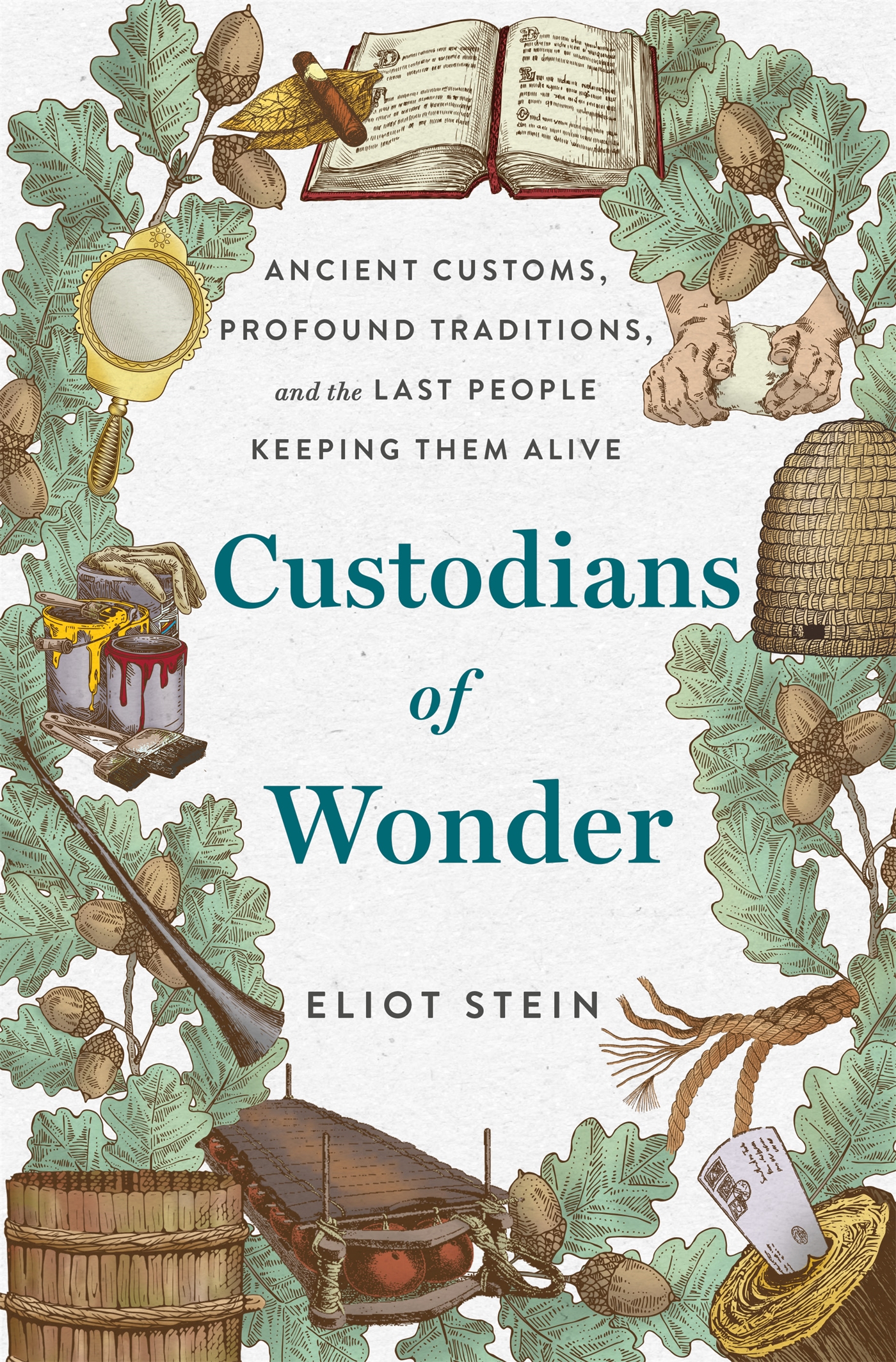
Each month, we like to share one of the many (many… many… ) books that have helped the Center’s research. But this month we’re cheating a little bit, because our pick happens to be the book that everyone on campus is reading this semester. That’s right, it’s time once again for UW’s Go Big Read!
This year’s book is Custodians of Wonder by journalist and author Eliot Stein. Subtitled “Ancient customs, profound traditions, and the last people keeping them alive” the book follows Stein as he travels the globe in search of remarkable people preserving some of our most extraordinary cultural rites. From a man saving the secret ingredient in Japan's 700-year-old soy sauce recipe to the last Inca bridge master who rebuilds a grass-woven bridge each year in the Peruvian highlands, Stein uncovers an almost lost world.
And if you’re an instructor (or you’re just interested in traditions), the Center has developed a companion teaching guide for this year’s Go Big Read that dives into the history of traditions here at UW-Madison.
|
|
|
|
Each month Center Director Kacie Lucchini Butcher will share a book, podcast, movie, quote, or something else she thinks has been adding to the CCH. We're calling it "From The Desk of KLB".
This month From the Desk of KLB: In Dangerous, Dirty, Violent, and Young, author Zayd Ayers Dohrn recounts his childhood as the son of Weather Underground radicals on the run from the FBI.
Drawing on interviews, declassified FBI files, and long-hidden letters, photos, and diaries, Dohrn tells a new story of radical resistance, reckoning with the emotional damage the Weathermen inflicted on their victims, their children, and themselves.
|
|
|
|
As always, if you have a story to share, an event you think should be researched, or a person you think has been overlooked, please email us at centerforcampushistory@wisc.edu.
|
|
|
|
|