Greetings from the Center for Campus History! This month we’re excited to celebrate Native November on campus with events, archival finds and book recommendations. Plus we have fresh, newsletter-worthy student research and teaching materials to share. Read on for more!
The University of Wisconsin–Madison’s Rebecca M. Blank Center For Campus History is an ongoing effort to expand and enrich UW-Madison’s historical narrative by centering the voices, experiences, and struggles of marginalized groups. As always, if you have a story to share, an event you think should be researched, or a person you think has been overlooked, please email us at centerforcampushistory@wisc.edu.
|
|
|
|
|
|
The history of UW student activism on campus is pretty well-documented. Watershed moments like the 1967 Dow Chemical Protest and the 1969 Black Student Strike are celebrated as examples of Badgers mobilizing to create change. But among the less familiar chapters is the hand UW students had in shaping the modern environmental movement.
In a new article in Siftings, the CCH’s digital publication of writing and research, Nicolás Felipe Rueda Rey traces the decades-long history of environmental activism on campus from early efforts to raise awareness about ecology and conservation to launching interdisciplinary research centers at the university, and massive amount of work that went into creating the first ever Earth Day. Read all about it here.
|
|
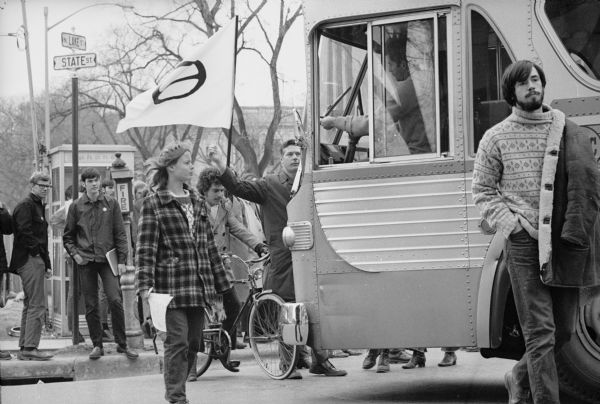
Earth Day march participants walk on State Street in Madison, April 22, 1970. Wisconsin Historical Society
|
|
|
|
For the past year, the CCH has been working with a group of scholars studying Indigenous lands dispossession in Wisconsin. As part of our collaboration, the Center is thrilled to host all their educational and teaching materials, which include interactive maps, readings, PowerPoints, and other resources. Here is a brief description from the project’s creators:
“These educational materials are a resource for students, faculty, instructors, and staff to learn about and engage with the Morrill Act of 1862 in Wisconsin. Our materials integrate the Morrill Act of 1862 into a wider context, allowing users to better understand the history of UW as a land grant institution, the impact of the land grant system and dispossession on tribal nations across the state, and the ways the Morrill Act was part of a larger policy initiative aimed at shifting lands across the US from tribal hands to settler control.”
All these modules are located on the “Education” page of the Center’s website here.
|
|
|
|
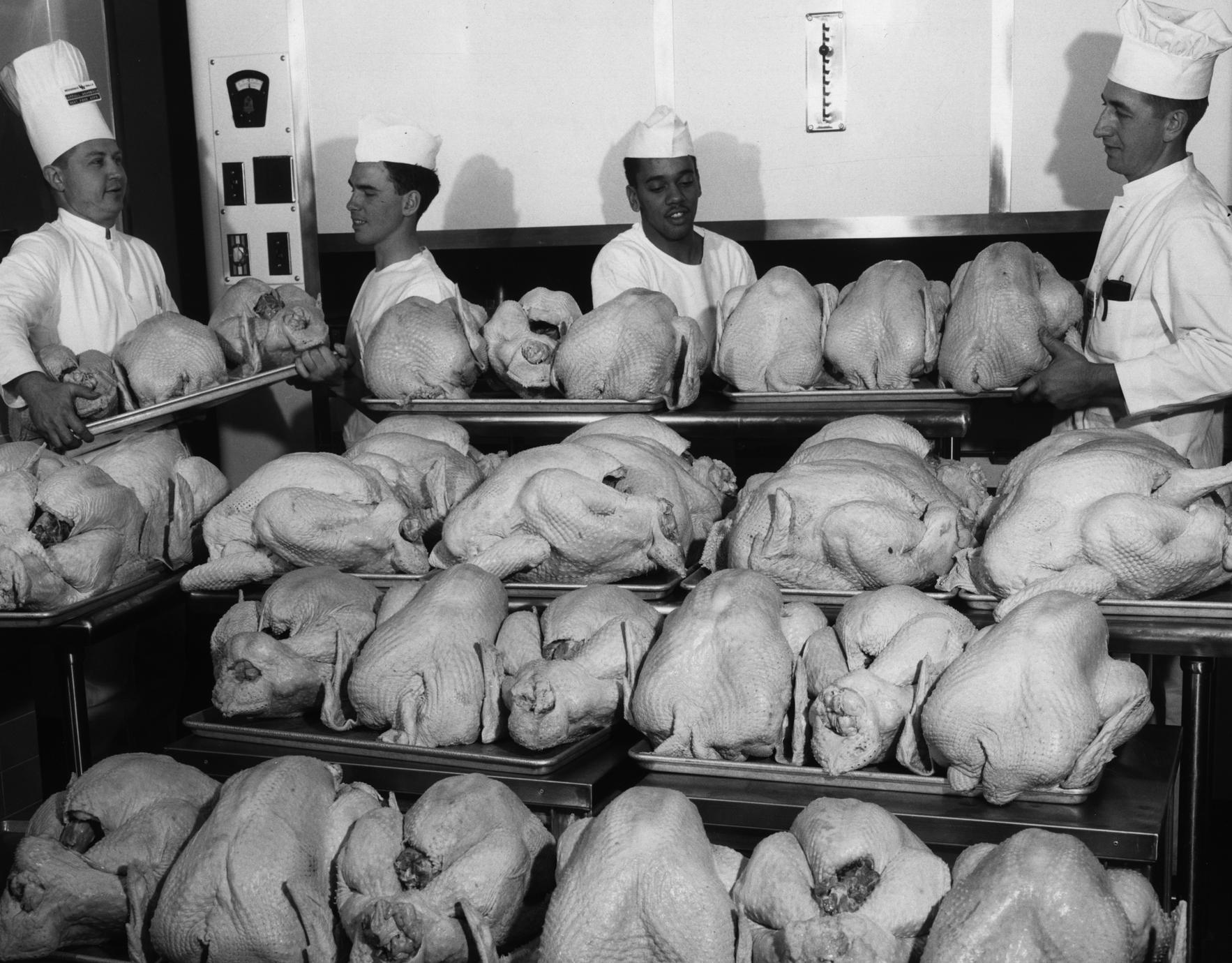
Sure, today’s modern campus dining halls might have a million options for every taste and dietary need: vegan, gluten free, grab ‘n’ go… But what if you’re looking for 30 fully stuffed turkeys cooked in an industrial oven? Well, you’d have to take a trip back to 1965.
This photo find f rom the UW Archives has a caption that reads “Residence Halls' Thanksgiving Dinner preparations at Gordon Commons. L-R: Carroll Grambsch, assistant supervisor of food production; Nathan Mareks, senior from Black Creek, WI; Rock Taylor, junior from Milwaukee; and Jerry E. Schave, university chef.”
Not named: a bunch of unlucky birds. Gobble gobble.
|
|
|
|
|
|
Each month, we like to share one of the many (many… many… ) books that have helped the Center’s research.
This month, why not digest some historical context alongside your third helpings of turkey and pie?
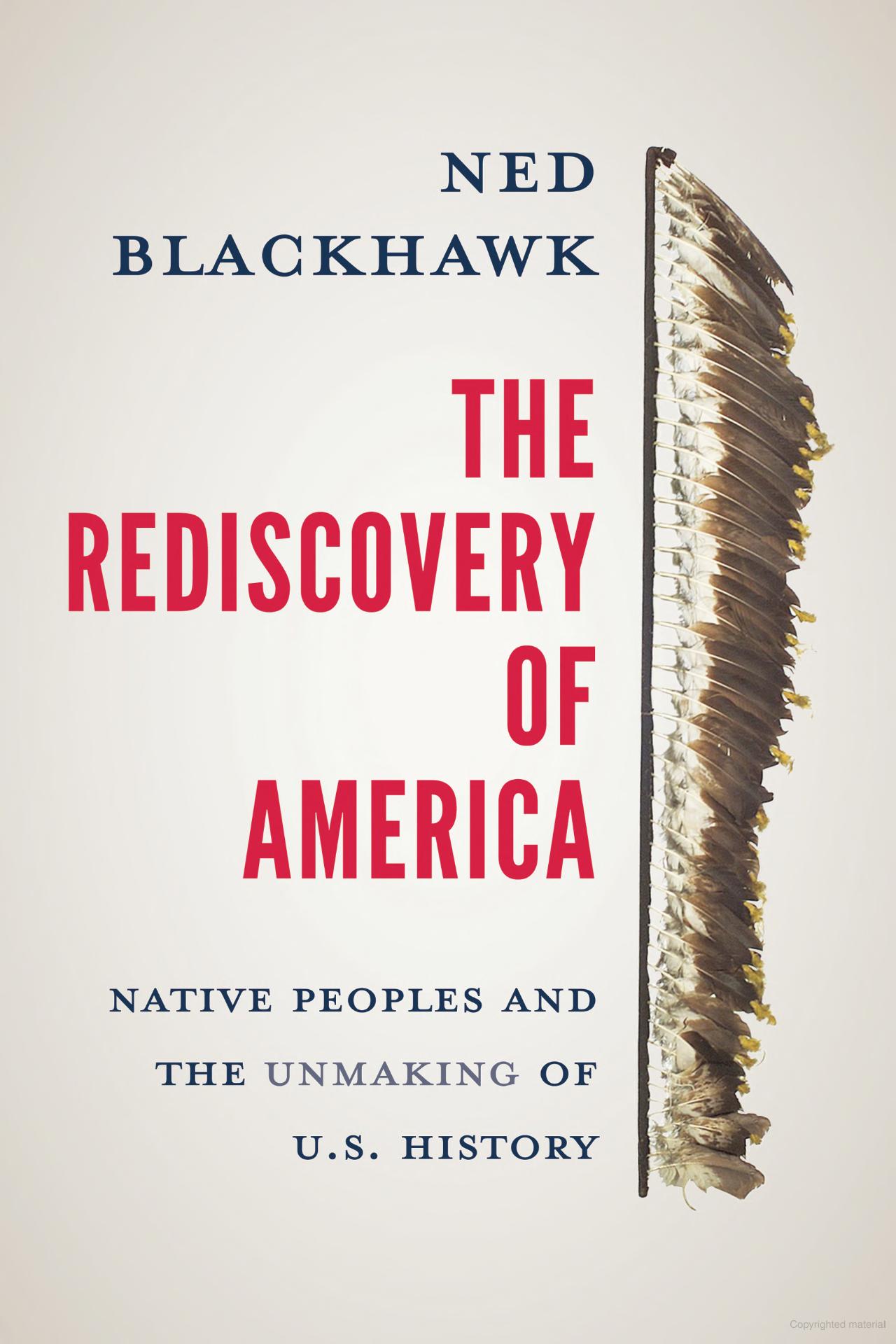
The Rediscovery of America from Yale historian Ned Blackhawk is a National Book Award-winning retelling of U.S. history that recognizes that Native Americans are essential to understanding the evolution of modern America.
The book interweaves five centuries of Native and non‑Native histories, from Spanish colonial exploration to the American Revolution, and the Civil War up to the rise of Native American self-determination in the late twentieth century.
|
|
|
|
|
|
We get asked a lot of questions about UW history. Each month we’ll answer one in the newsletter.
This month: Every year when campus clears out for Thanksgiving, I always wonder about the handful of students who stick around. Has the Center come across any interesting stories or traditions surrounding Thanksgiving at UW?
The answer: Aside from the dining halls serving seasonally appropriate fare, (see that turkey photo above!) it seems like students’ campus Thanksgiving experiences have really run the gamut over the decades. A couple years back the Alumni Association asked former Badgers to share their Turkey Day memories and they range from hosting a full dinner for extended family in an efficiency apartment to a turkey sub and term papers. Take a look at the full list here.
Do you have any burning questions about UW history? Stories or people you think we should look into? Let us know! Email us at centerforcampushistory@wisc.edu.
|
|
|
|
Each month Center Director Kacie Lucchini Butcher will share a book, podcast, movie, quote, or something else she thinks has been adding to the CCH. We're calling it "From The Desk of KLB".
This month From the Desk of KLB, it's Native November, it's dark at 4:40pm... why not read some Native horror? The Only Good Indians by Stephen Graham Jones follows four American Indian men after a disturbing event from their youth puts them in a desperate struggle for their lives against an entity bent on revenge. Or if you need your horror in smaller installments, try Never Whistle at Night: An Indigenous Dark Fiction Anthology. Just watch out for ghostly Hawaiian warriors and witches disguised as owls!
|
|
|
|
As always, if you have a story to share, an event you think should be researched, or a person you think has been overlooked, please email us at centerforcampushistory@wisc.edu.
|
|
|
|
|