|
|
The Great Lakes Rural Opioid Technical Assistance - Regional Center (ROTA-RC) is a multi-state collaboration of Cooperative Extension programs working to address mental health and substance use concerns in Illinois, Indiana, Michigan, Minnesota, Ohio, and Wisconsin. This six-state collaboration is funded by the Substance Abuse and Mental Health Services Administration (SAMHSA).
|

|
|
|
|
The Wisconsin River (photo by zdog18, courtesy of Canva images)
|
|
|
|
Well, Great Lakes Community, we've spent the last six months getting to know each other and it has been a pleasure! We couldn't be more excited to connect, communicate and outreach with all of you and we look forward to many more months of growing together.
This month we are back again in Wisconsin to get the latest updates from our partners about their efforts to strengthen community capacity to prevent, treat, and support recovery and reduce harm for opioid & other substance use, as well as mental health disorders.
|
|
|
|
Do You Need Technical Assistance (TA)?
Technical assistance is targeted support using a culturally relevant, evidence-based, holistic approach to help rural communities build capacity, as well as plan and implement programming. We collaborate with internal and external providers to customize and tailor to meet the needs and readiness levels of the rural communities we serve.
|
|
|
|
|
|
|
|
|
Great Lakes ROTA-RC Partner
UW-Madison, Division of Extension
|
|
|
|
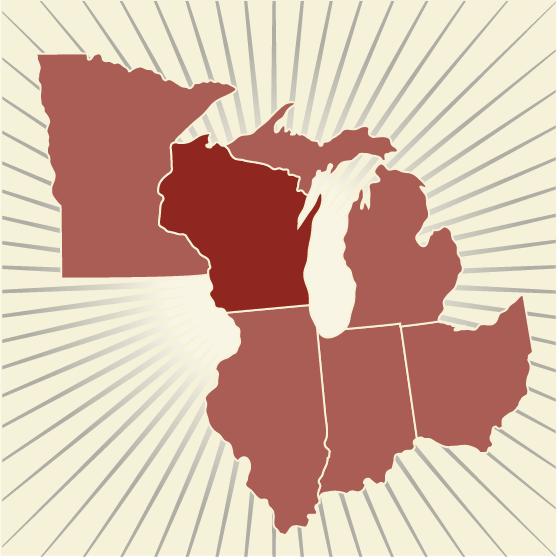
Each month we will be spotlighting the range of services, supports and resources available throughout the Great Lakes region. We will highlight one of our states, their local efforts, partners, and events as well as continue to connect you to national mental health services that will serve you and your community. This month we shine the spotlight on WISCONSIN, home of Great Lakes ROTA-RC partner, UW-Madison, Division of Extension.
|
|
UW-Madison, Division of Extension is one of six regional partners in the Great Lakes ROTA-RC network and the institutional home of the ROTA-RC Technical Center. UW-Madison, Division of Extension has a mission to connect people with the University of Wisconsin. Educators and specialists teach, learn, lead and serve, transforming lives and communities.
The Extension campus supports six active institutes of research and outreach, connecting more than 200,000 farmers, parents, youth leaders, neighbors and businesses across 72 unique counties annually. Embracing its growing diversity, UW-Madison, Division of Extension continues to promote the Wisconsin IDEA (Inclusion, Diversity, Equity, Access) to create healthier, safer communities for everyone. The Wisconsin Idea stipulates that education should influence people’s lives beyond the boundaries of the classroom.
Looking for a UW-Madison, Division of Extension program in your local county, or just want to explore the multitude of virtual statewide offerings from wherever in the Great Lakes region you are? Check out this partner's online Event Calendar.
Below are some highlights of the UW-Madison, Division of Extension's mental health programs to further explore.
|
|
|
|
|
WeCOPE
|

|
The seven sessions of WeCOPE, support 11 skills in total, encouraging practicing skills such as mindfulness, savoring, positive reappraisal, gratitude, and goal setting among others.
UW-Madison, Division of Extension now has adaptions for the specific audience needs of Agricultural and Criminal Justice communities and has recently finalized a language based adaption for Spanish learners.
|
|
Mental Health First Aid
|
Like many of Great Lakes ROTA-RC partners, UW Madison, Division of Extension supports Mental Health First Aid (MHFA) education and training statewide. MHFA is a program that teaches participants how to identify, understand and respond to signs of mental illness and substance use disorders. The program gives participants the skills and confidence to provide initial support to those who are experiencing a crisis in their community.
UW Madison, Division of Extension supports MHFA training at the Adult, Youth, and Teen levels of training. They also support training MHFA training in Spanish. If you would like MHFA training, please head to UW Madison, Division of Extension's site to view the latest training dates or to request programming.
|
|
Coping Better, Connecting With Our Positive Emotions
|
|
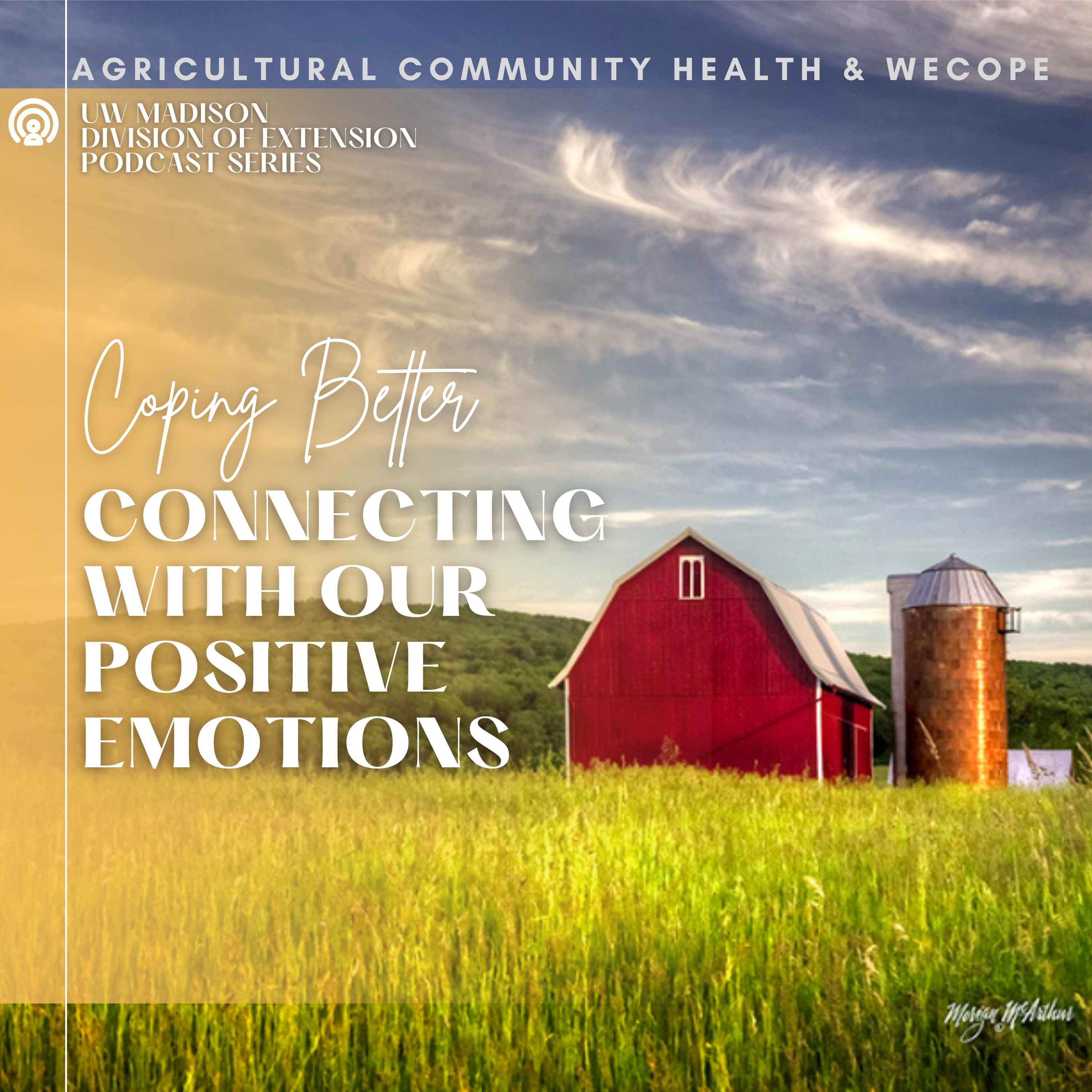
The Coping Better, Connecting With Our Positive Emotions podcast is a collaborative effort between UW-Madison, Division of Extension Health & Well-Being and Agriculture educators and specialists, alongside non-extension professionals and community members to recognize the stress that comes from managing the ups and downs of everyday life in agriculture. Based off of the popular WeCOPE curriculum, the Coping Better podcast is about building positive emotions for farmers, farm families and agricultural professionals highlighted through the voices of those working, living, and experiencing the joys and challenges of agriculture. However, anyone can enjoy these seven, light-hearted, brief episodes and apply the skills to their everyday life. Follow the hyperlink above, or the QR code below to enjoy them on your favorite mobile device today!
|

|
|
Question, Persuade, Refer (QPR)
|
Similarly, QPR is an an emergency mental health intervention for suicidal persons created in 1995 by Paul Quinnett. An abbreviation for Question, Persuade and Refer, the intent is also to identify and interrupt the crisis and direct that person to the proper care. QPR is part of a system designed to increase the chance of survival in the event of a crisis.
With QPR, the following Chain of Survival elements must be in place:
- Early Recognition of suicide
- Early QPR | Asking someone about the presence of suicidal thoughts and feelings
- Early intervention and referral
- Early Advanced Life Support
|
|
|
|
Learning to Breathe
UW Madison, Division of Extension supports the curriculum, Learning to BREATHE (L2B), which is a research-based mindfulness curriculum for youth audiences. The goal of the program is to improve emotion regulation, attention, and coping skills. The mindfulness-based program teaches participants to experience the present moment with compassion and openness. Learning to Breathe teaches mindfulness to young learners from 10 years old up to young adults. L2B can be taught in a classroom setting, youth group setting or virtually in 6, 12, or 18 sessions.
|
|
|
|
Supporting You(th) Fact Sheets
Recognizing that the rates of anxiety, depression, and self-harm reported by young people have been increasing, ROTA-RC's partner UW Madison, Division of Extension took action to learn and respond. Only one in four Wisconsin youth report that they receive the help they need when they feel distressed (McCoy, 2018, 2020).
In response to this reality, UW Madison, Division of Extension has developed a series of fact sheets for parents, caregivers and other adults who live or work with young people. Each fact sheet is research-based, easy to read, and provides practical strategies to support youth mental health. They are available in English, Spanish, and Hmong. Click the link below to access the sheets.
|
|
|
|
|
|
|
|
Great Lakes ROTA-RC Website
The Great Lakes ROTA-RC website is growing constantly, with over 10,000+ views, a non-stop events page, resources from all over the region, weekly updated news posts, and much more, we hope you'll find something you need.
|
|
|
|
|
|

|
Grief: The Flip Side of the Trauma Informed Coin
Wednesday, August 23, 10:00 - 11:00 am CST/ 11:00 - 12:00 PM EST
PRIMEROS AUXILIOS DE SALUD MENTAL
Monday, August 28, 2023 9:00 AM – 4:00 PM CST / 10:00 AM – 5:00 PM EST
Reimagining Recovery
Thursdays, August 31, September 21, October 26, 2023 1:00 – 2:15 PM CST / 2:00 – 3:15 PM EST
WeCOPE in Spanish
Septiembre 1 – Octubre 13 11:00 – 12:00 PM CST / 12:00 PM – 1:00 PM EST
Xylazine & Fentanyl: A Deadly Duo
Wednesday, September 6, 2023 12:00 – 1:00 PM CST / 1:00 – 2:00 PM EST
Mental Health First Aid
Thursday, September 7, 2023 9:00 AM – 3:30 PM CST / 10:00 AM – 4:30 PM EST
Helping Difficult Conversations Work Using Motivational Interviewing
Tuesday, September 12, 2023 10:00 AM – 11:15 AM CST / 11:00 AM – 12:15 PM EST
|
|
|
|
August 31, 5-8:30pm
In-person/ Virtual/ Hybrid
|
|
|
|
September 9, 9:00 am -3:00 pm
In-person
|
|
|
|
September 13 and 14, 2023
In-person
|
|
|
|
|
|
|
ASK THE EXPERT(s)
|
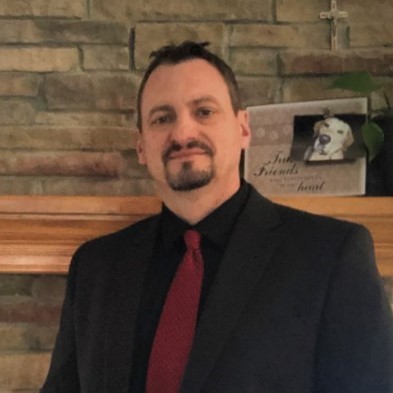
Great Lakes ROTA-RC highlights an individual who provides expertise and leadership for mental health and substance use support efforts in the region. This month’s expert highlight is Lt. Mike Blaser.
|
|
|
|
|
Mike Blaser
MS, OCLPM
Mercyhealth System Trauma Preparedness Center
|
During the past 25 years, I saw my share of sad, bad, and traumatic. Don’t get me wrong it wasn’t all doom and gloom. There were plenty of silly, funny, and you just can’t make this stuff up incidents. Like the night an intoxicated person looked at me with a huge grin and said, “what’s wrong with your nose.” Those who know me would understand. I hope as my retirement looms, I remember the latter more than the prior. Over these years I experienced depression and a loss of humanity.
There are three tools I focus on when restoring humanity to my role and my job. By focusing on these three tools, you can restore your own humanity as well as serve with humanity driving better connections and a happier work life.
1. Serve with empathy.
2. Perspective seeking, seek to understand.
3. Treat the trauma
Hear how Lt. Blazer puts these tools into practice HERE
|
|
|
|
|
|
|
ASK THE EXPERT(s)
|
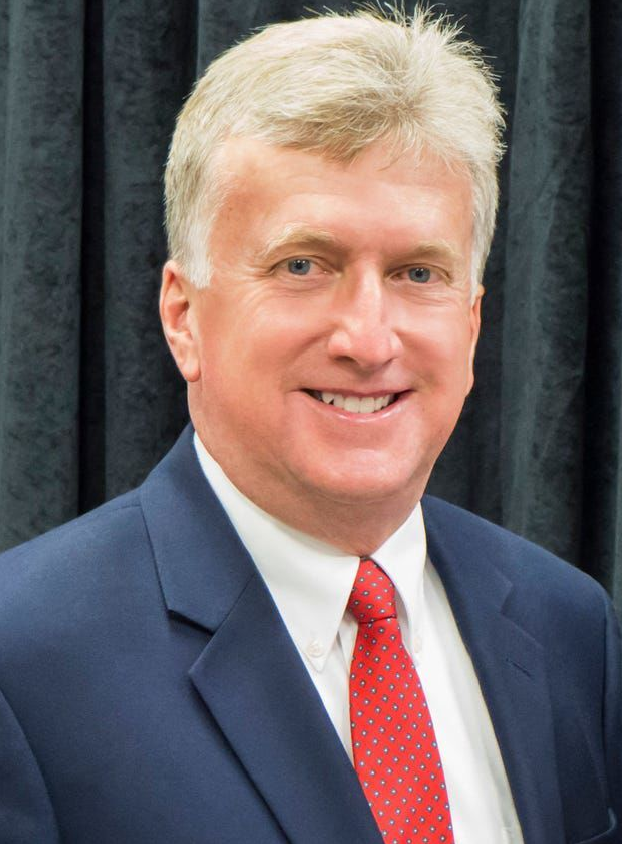
Great Lakes ROTA-RC highlights an individual who provides expertise and leadership for mental health and substance use support efforts in the region. This month’s expert highlight is Dr. John Shutske.
|
|
|
|
Rural mental health, suicide prevention, and well-being programs abound in Wisconsin thanks to partnerships and coordination efforts that have been led from the University of Wisconsin (UW) through Extension, agriculture, and other units.
The “Resilient Farms and Families” (RFF) project first took shape in 2018, led by Extension specialists Joy Kirkpatrick and John Shutske who both work in agriculture. RFF began by creating a web-based resource center and coordinating activities and check-ins for a statewide cohort of partners. These included the state’s agriculture department and many rural-serving organizations. Much of the success of RFF was to create new relationships and to help connect the dots through numerous communication channels.
What happened to farm stress in WI as we entered the pandemic? Follow Dr. Shutske's article HERE
|
|
Dr. John Shutske
Professor and Agricultural Safety & Health Specialist
|
|
|
|
|
|
|
Wisconsin News & Resources
|
|
|
|
Dose of Reality
Opioid Settlement Funds 2024
In Wisconsin, the Department of Health Services (DHS) is managing the distribution of the state opioid funds. They are required to submit a plan to the Joint Committee on Finance every year with details on the projects they intend to support with the payments they expect to receive for the funding year. DHS plans cover state fiscal years (July 1-June 30).
WI DHS expects to receive $8 million in opioid settlement payments in state fiscal year 2024. The Joint Committee on Finance approved a modified version of the DHS plan for this funding June 16, 2023.
|
Incorporating Mental Health
Many struggling community members find themselves contacting 911 for help during a mental health crisis. The problem is most police departments are not equipped to address the over 200 mental illnesses that exist.
Journey Mental Health works alongside both the MPD and the Dane County Sheriff’s Office.
One in five Americans struggle with some form of mental illness, according to the National Alliance on Mental Illness, which translates to approximately one million Wisconsinites.
Follow the original article to learn how MPD and its partners are working to address mental health in their daily approach.
|
|
|
|
The Substance Abuse and Mental Health Services Administration (SAMHSA) has been a widely used resource for many professionals looking for the latest information on treatment updates, professional training, grant programs, data, research and more.
One year after the rollout of the 988 Suicide & Crisis Lifeline, the U.S. Department of Health and Human Services (HHS) and its 988 Lifeline partners announced the addition of Spanish text and chat services. Specialized services for LGBTQI+ youth and young adults were also added earlier in July, following a successful pilot test. This investment is driving an increase in calls, texts and chats, with nearly 5 million contacts answered in the past year — and helped millions of people in crisis.
Almost 1 million of the nearly 5 million contacts were answered by Veterans Crisis Line (VCL). The 988 Lifeline links to the VCL, which military members, veterans and their families can reach by dialing 988 and pressing option 1.
|
|
|
|
|
|
Great Lakes ROTA-RC Advisory Board
Follow us here as we learn about the passion, projects and resources that make our Advisory Board members Great Lakers!
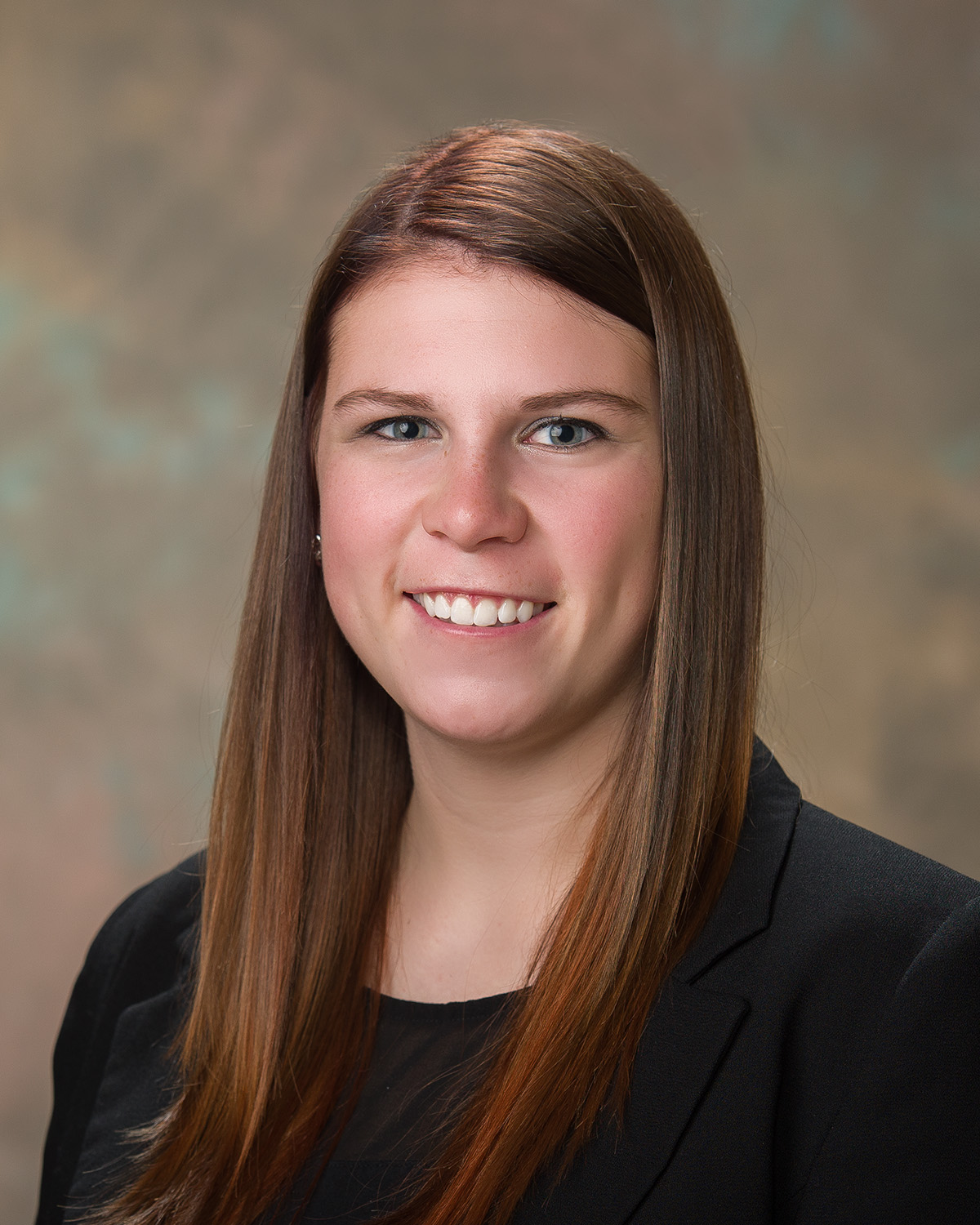
Wisconsin Partner Representative
INSIDE INTERVIEW
Meagan, tell us a little bit about you and how you got connected to prevention work. Growing up in Green Bay, my father was very involved in ministry, in fact he started a homeless shelter. My priority as a young person was to take the guest's minds off of their day. That human to human connection had a huge impact on me. Learning their stories and hearing those repeated, underlying connections they had to substance use stuck with me...
|
Continue this Inside Interview with Meagan Barnett at Great Lakes ROTA-RC website.
|
|
|
|
Thank you Meagan for all you do for Wisconsin and our Great Lakes community!
|
|
|
|
|
|
|
|
Great Lakes ROTA-RC Advisory Board
TTC Partner Representative
INSIDE INTERVIEW
Briefly tell us about your organization and your community. What is the mission of your work? The mission and vision of the ATTCs is to accelerate the adoption and implementation of evidence-based and promising addiction treatment and recovery-oriented practices and services; heighten the awareness, knowledge, and skills of the workforce that addresses the needs of people with substance use or other behavioral health disorders; and foster regional and national alliances among culturally diverse practitioners, researchers, policy makers, funders, and the recovery community...
|
Continue this Inside Interview with Jeanne Pulvermacher at Great Lakes ROTA-RC website.
|
|
|
|
|

|
Thank you Jeanne for all you do for our Great Lakes community!
|
|
|
|
|
|
|
The Great Lakes Neighborhood
|
Great Lakes ROTA-RC, with its Midwest region Cooperative Extension partners, highlights community programming in the featured state of the month. These great programs help highlight the excellent work happening in the Great Lakes Neighborhood. This month’s partner highlights are Northwoods Coalition in the Northern half of the state...
|
|
|
|
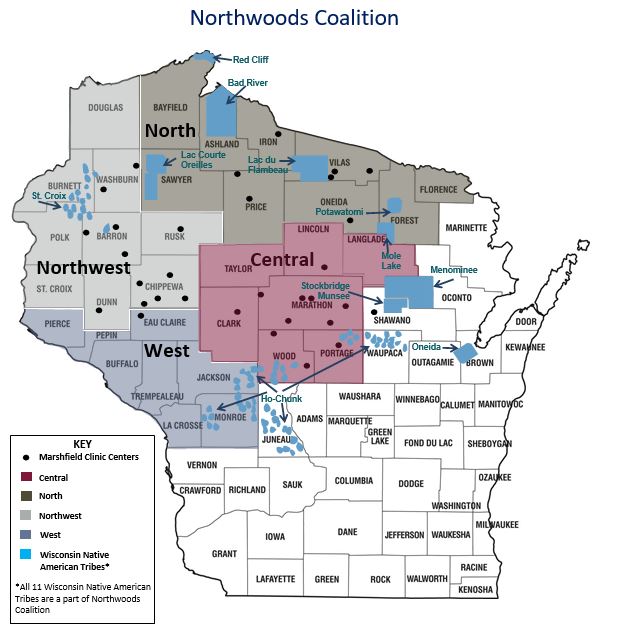
Formed through a partnership between Marshfield Clinic Health System (MCHS) and several community coalitions in 1995, Northwoods Coalition (NWC) is the largest and oldest network of coalitions dedicated to substance use prevention in Wisconsin.
Representatives from coalitions in a 35-county region, including the 11 Wisconsin Tribal Nations, serve on a non-governing advisory board to help shape policies, practices and programs to address public health issues arising from use of alcohol and other drugs.
|
The Northwoods Coalition produces an informative newsletter every other week, highlighting the latest information in substance use training, updates and tools throughout the state of WI.
|
|
|
|
|
|
Northwoods Coalition is a great example of the strong DHS funded network of coalitions supporting local community work, and how these invested partnership networks can grow health equity over the short and long term.
|
|
|
|
|
|
|
|
In the fall of 2018, Sauk County pulled together after a farmer died by suicide. The community reached out to the family to listen as they worked through the emotions that followed. They created a safe space to come together and talk about farm stress and suicide. They brought in speakers and resources. Within months, Farmer Angel Network (FAN) was formed as a result of these efforts. Six years on, Farmer Angel Network continues to build strong rural communities that support agriculture by providing education, resources, and fellowship with a focus on mental health.
Farmer Angel Network is one organization that is seeking to help communities get back to these practices and help neighbors get help when they need it. The goal of Farmer Angel Network over time is to end isolation and help communities come back together.
|
|
|
|
|
|
|
|

|
|
|
|
|
Farmer Angel Network wants health care providers and communities to know that there are a lot of farmers & farm families suffering in silence; they don’t know that there is help, it's hard for them to ask for it once they do, and that help may very well need to come to them.
|
|
|
|
988 Suicide and Crisis Lifeline
SAMHSA Substance Abuse and Mental Health Services Administration
NAMI National Alliance on Mental Illness
RHI Hub Rural Health Information Hub
Great Lakes PTTC Prevention Technology Transfer Center
Great Lakes ATTC Addiction Technology Transfer Center
Great Lakes MHTTC Mental Health Technology Transfer Center
|
|
|
|
|
|
The Great Lakes Rural Opioid Technical Assistance Regional Center (ROTA-RC) is funded by SAMHSA to serve rural areas in Il, IN, MI, MN, OH, and WI. The University of Wisconsin-Madison Extension leads ROTA-RC in partnership with the University of Illinois-Extension, Purdue Extension, Michigan State University Extension, University of Minnesota Extension, and Ohio State University Extension. Learn more at our website, greatlakesrota.extension.wisc.edu
|
An EEO/AA employer, University of Wisconsin-Madison Division of Extension provides equal opportunities in employment and programming, including Title VI, Title IX, the Americans with Disabilities Act (ADA) and Section 504 of the Rehabilitation Act requirements. La Universidad de Wisconsin-Extensión, un empleador con igualdad de oportunidades y acción afirmativa (EEO/AA), proporciona igualdad de oportunidades en empleo y programas, incluyendo los requisitos del Titulo VI, Título IX, y de la Ley para Americanos con Discapacidades (ADA).
|
|
|
|
|