|
|
|
Dear ,
Thank you for your continued support of the Center for Healthy Minds! We are so grateful that you engage with us by reading and sharing our news. So much has been happening at the Center, in the lab and in our speaking engagements around the world. We’re excited to share updates about our science, programs, talks and celebrations!
|

|
|
|
|
|
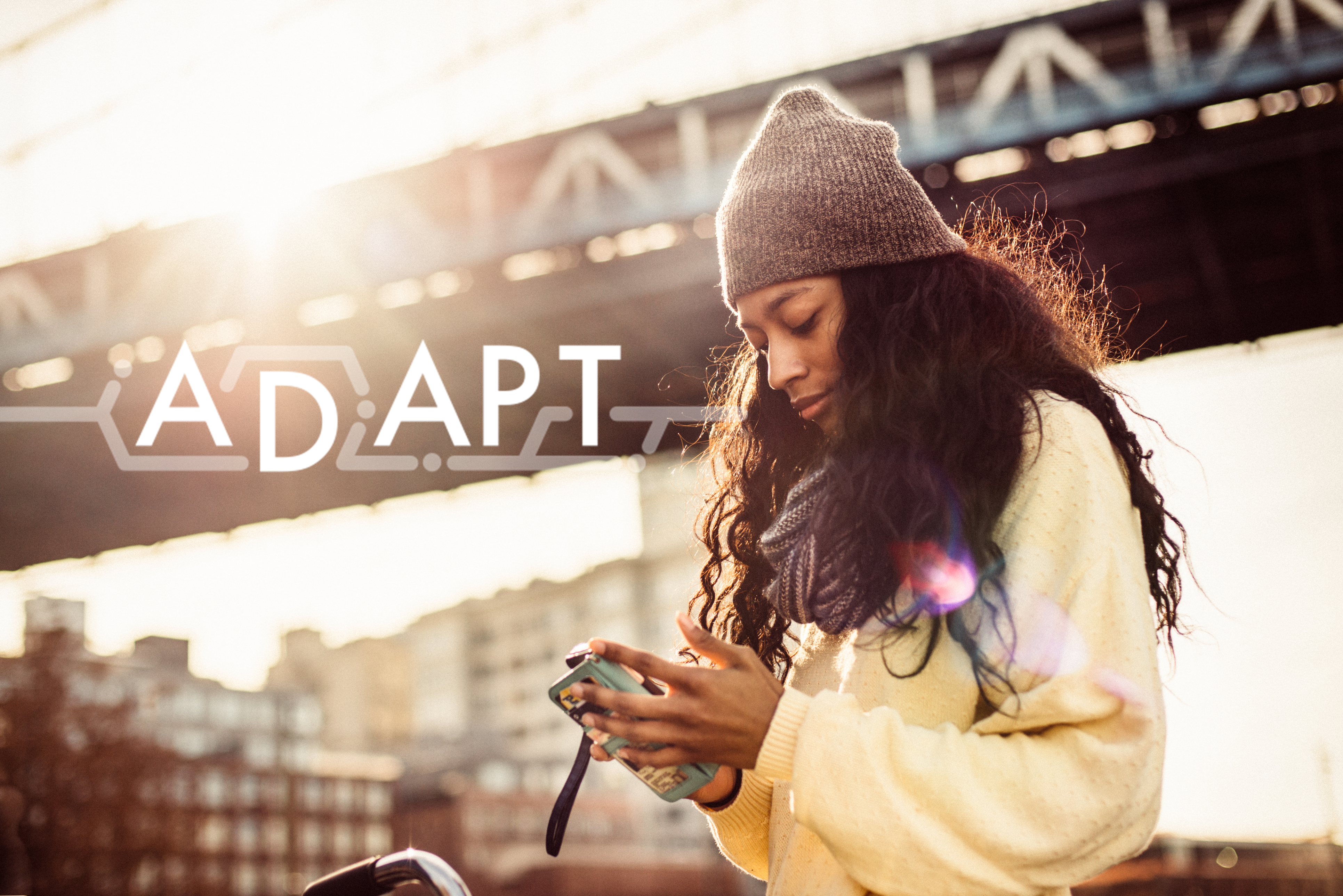
Join a Remote Study that Explores Personalized Wellbeing
Join our research study and help us develop personalized approaches to wellbeing training. All from the comfort of your home!
About the ADAPT study:
Through this study, we hope to improve the Healthy Minds Program (HMP) app by making it more personalized in order to better support long-term wellbeing.
While wellbeing apps can help promote mental-and-emotional wellness, they don’t work the same for everyone. This study will look at how to tailor the app to each person. We are hopeful that the study results could offer a low-cost way to support mental health for more people. By joining the study, you’ll help make the app more helpful for others in the future.
Interested in Participating? Click here to learn more and see if you’re eligible!
|
|
|
Can Psychedelic Use Benefit Meditation Practice?
Both meditation and psychedelics have garnered attention in the popular and scientific worlds recently. Both can create states of mind that may have significant therapeutic benefits. There is also growing scientific interest in how the two could work together for greater benefits. CHM graduate student Zishan Jiwani and Core Faculty member Dr. Simon Goldberg, along with collaborator and Core Faculty member Dr. John Dunne, led a study recently published in PLOS One that looked at individual factors of both meditation and psychedelics, to see whether and how meditators may find psychedelic use as beneficial for their meditation practice.
|
|
|
|
|
|
|
|
|
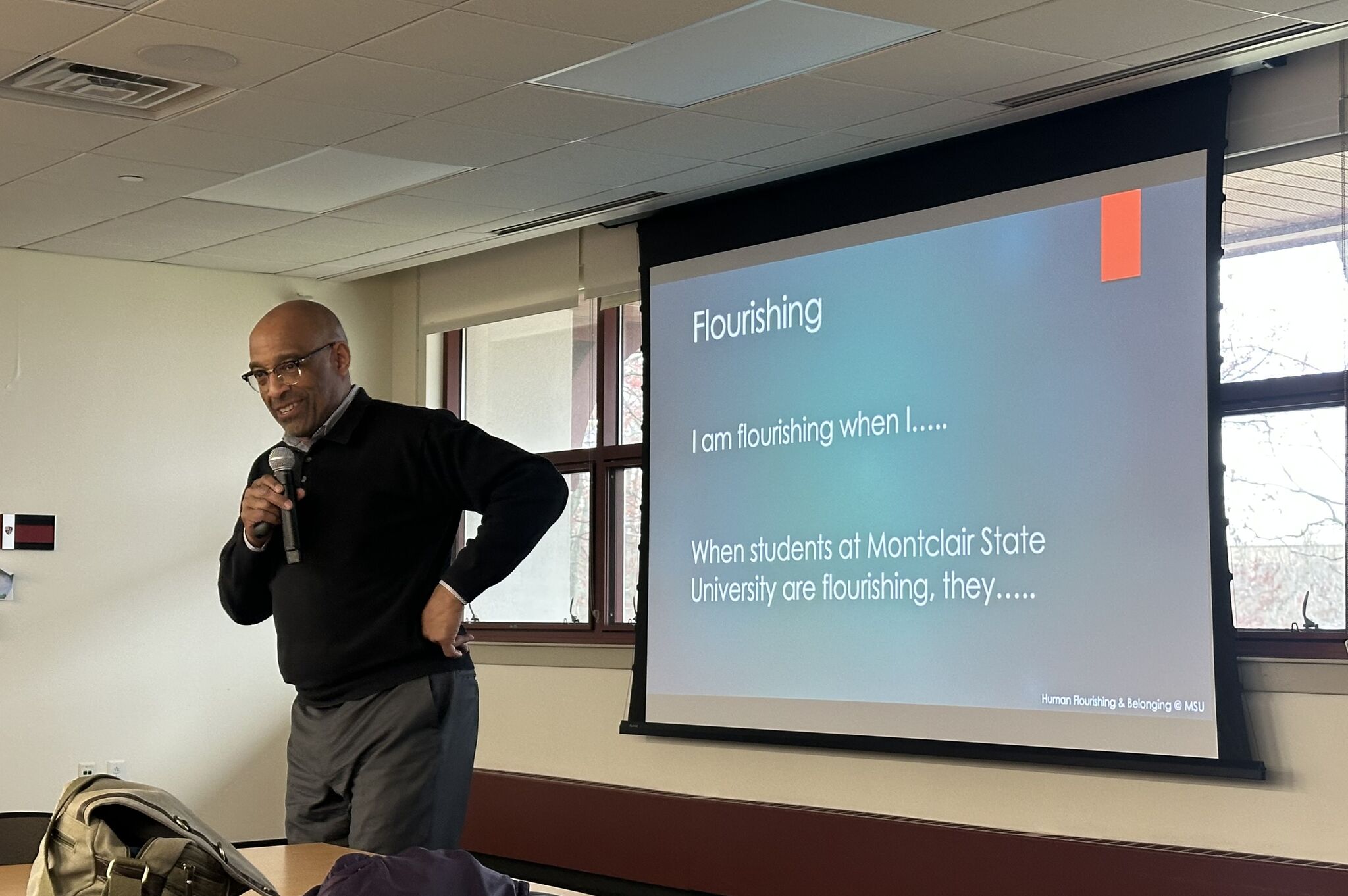
Dr. Tony Chambers Leads Montclair State University Discussion
Faculty, staff and students at Montclair State University in New Jersey gathered this spring to engage with Dr. Tony Chambers, Director for Community Well-being at CHM, in discussions about the field of Human Flourishing and fostering belonging on campus. A roundtable dialogue was followed by an interactive workshop on the human flourishing pillar of “Connection” (interdependence, compassion, diversity). Connection is essential to flourishing because it focuses on how human relationships and interconnectedness support wellbeing.
|
|
|
|
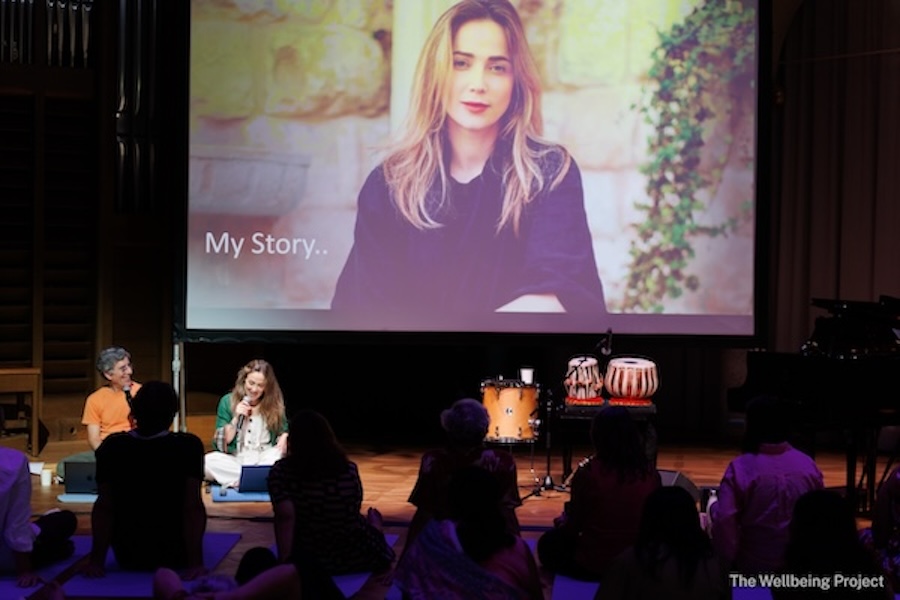
OUT BEYOND, the MUSE Initiative and Slovenia!
CHM hosted the sold out premiere event OUT BEYOND: A Musical Journey Into Transformation and Healing on May 23 at Mead Witter Foundation Concert Hall in downtown Madison, WI. The transformative experience by CHM visiting scientist and artist Dr. Dalal Abu Amneh and CHM Founder/Director Dr. Richard J. Davidson launched a new collaborative research and practice-based initiative called the MUSE Initiative (Music for Universal Social and Emotional Wellbeing). The MUSE Initiative is aimed at exploring and harnessing the healing power of music and the arts by investigating the transformative effects of music at the intersection of neuroscience, psychology, and spirituality. Abu Amneh and Davidson traveled to Slovenia in June for The Wellbeing Project’s Hearth Summit, where they presented about the project. In addition, Davidson presented a visionary talk called “Beyond the Known: How Science is Rewriting What It Means to Be Alive,” drawing from neuroscience and contemplative research, expanding how we understand awareness, transformation and resilience. The Hearth Summit is an award-winning three-day gathering bringing together 1,000+ changemakers to advance a hopeful vision of individual, collective and ecological wellbeing for all.
|
|
|
|
Grandparents University Session at CHM
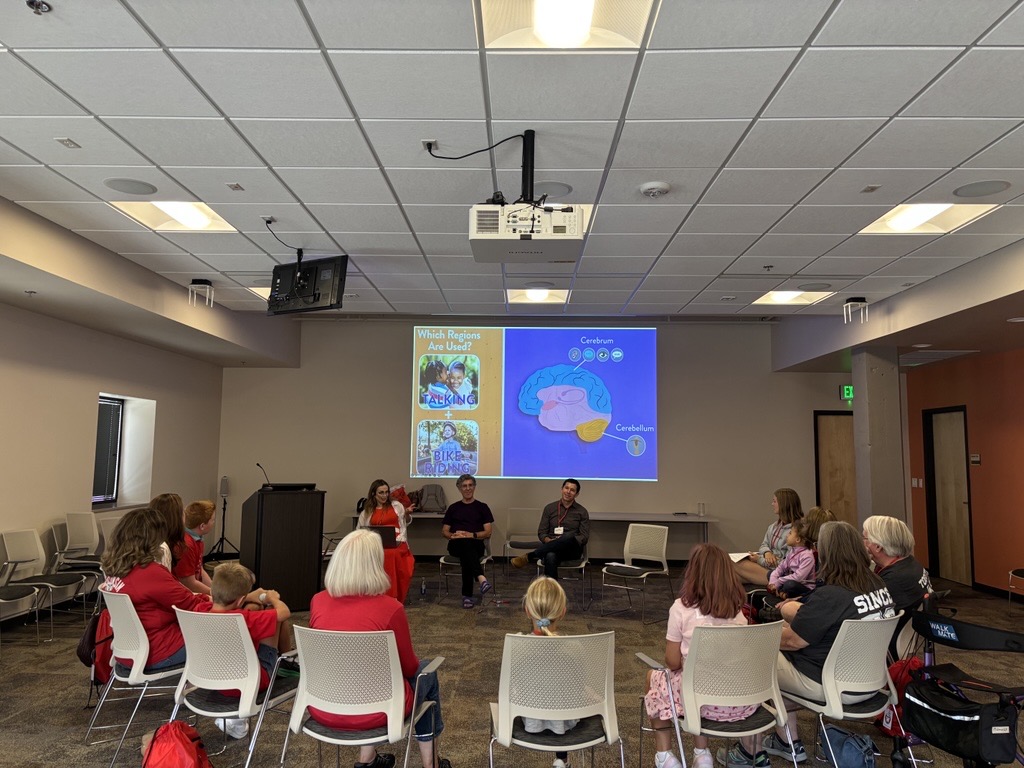
Grandparents University® (GPU) is an intergenerational learning experience offered by Wisconsin Alumni Association. GPU offers “a unique opportunity for the young and young-at-heart to share in a love of learning.” CHM hosted a mid-July session of the program called "Tuning into Healthy Minds,” which offered a transformative experience in music, neuroscience, mindfulness, and wellbeing. The session was led by Dr. Dalal Abu-Amneh, Dr. Matthew Hirshberg and Dr. Richard J. Davidson. Through engaging activities, musical exploration, contemplative practices, and simple neuroscience-based tools for a healthy lifestyle, participants deepened their connection, enhanced emotional awareness, and acquired practical skills for wellbeing.
|
|
|

|
|
|
|
|
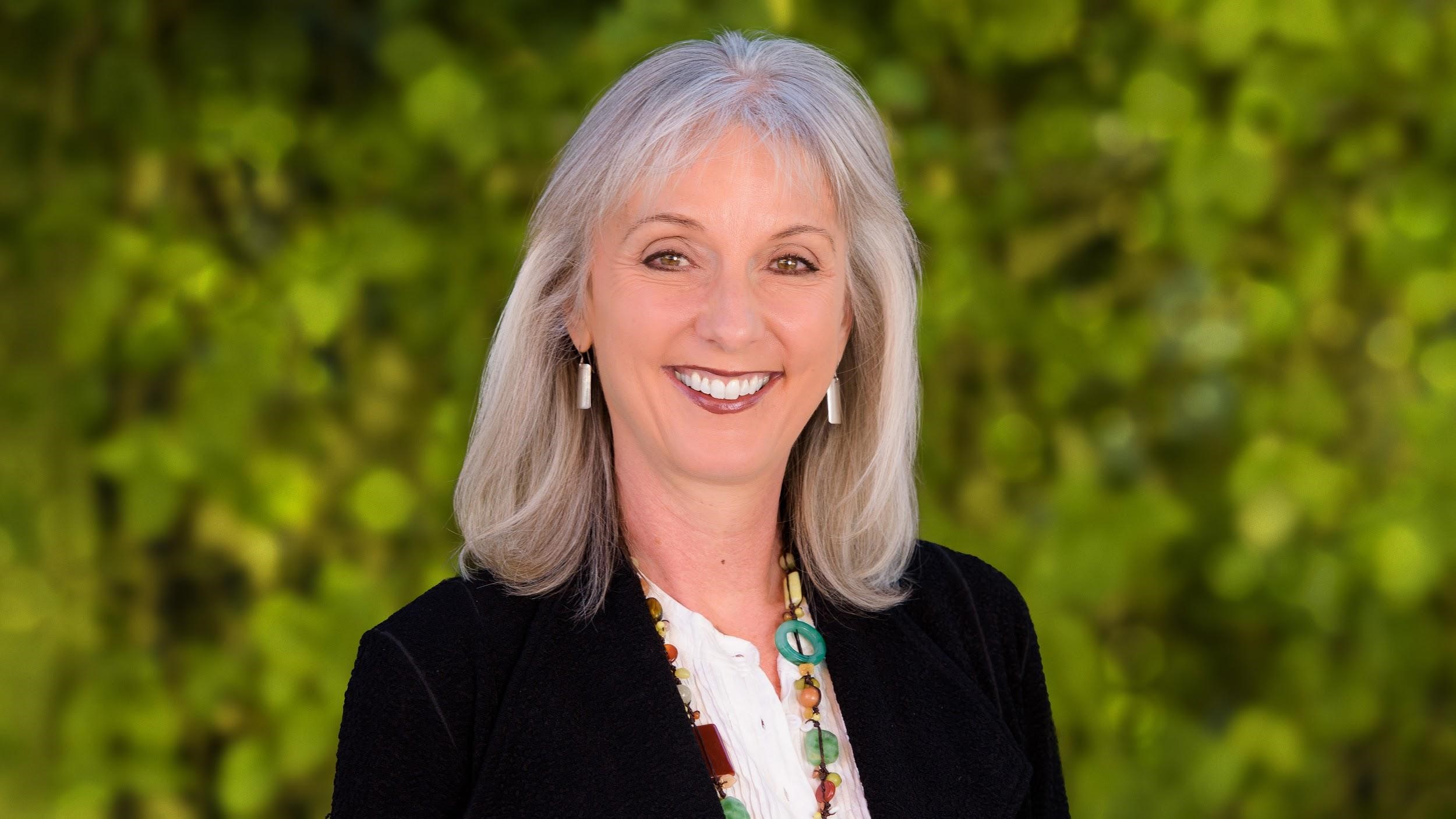
Dr. Teri Pipe Recognized as American Academy of Nursing Fellow
Congratulations to CHM Core Faculty member Dr. Teri Pipe for her recognition as an American Academy of Nursing Fellow!
"Being recognized as a Fellow in the American Academy of Nursing is deeply meaningful to me because it honors the impact of my translational work on mindfulness, whole-person well-being, and leadership as well as Nursing's holistic approach to improve the health of individuals, communities, and organizations across the globe."
This honor recognizes her impactful contributions to health, leadership and innovation in Nursing. She’ll be officially inducted this October at the Academy’s 2025 Health Policy Conference in Washington, D.C., where this year’s theme is “Impact Through Integrity and Trust: Our Role as Navigators and Translators.”
|
|
|
|
|
|
|
|
|
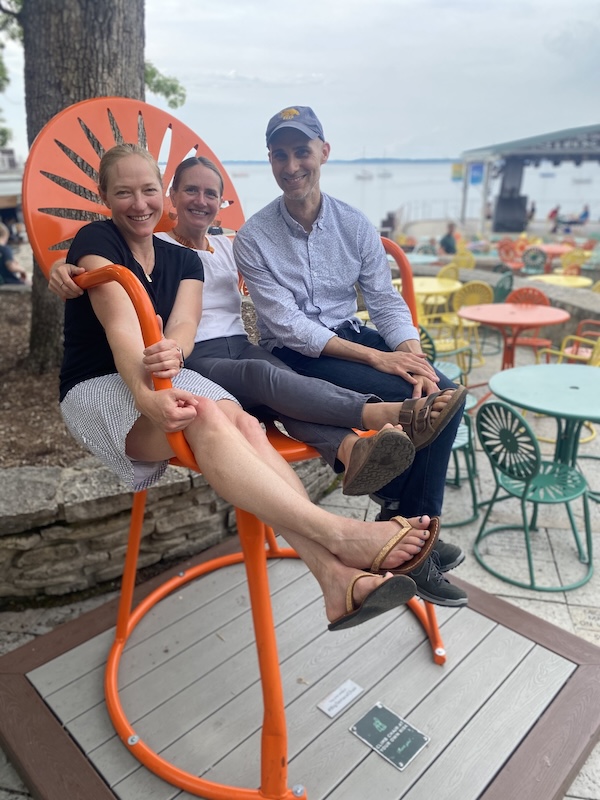
Three CHM Core Faculty Members Celebrate Tenure Achievement
|
|
|
|
|
|
|
|

|
|
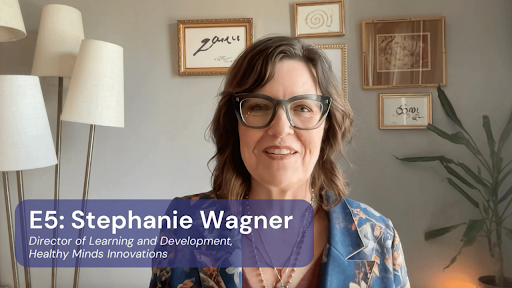
We Hear You YouTube Series: New Episodes
Find out how HMI community members are benefiting from HMI's freely accessible wellbeing products! This monthly video series features key members of the HMI team addressing real product reviews while offering education and guidance.
|
|
|
|
|
|
Helping Business Leaders Succeed with Science
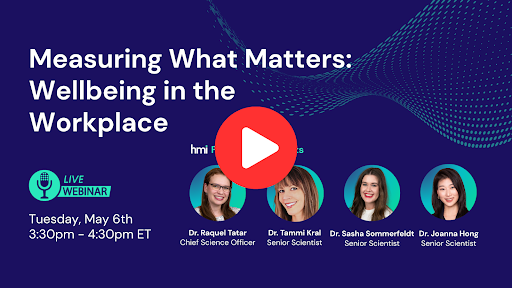
Discover how applying science in the workplace can lead to organizational success with insights from HMI's dynamic team of scientists in this webinar recording.
|
|
|
|
|
|
Wellbeing: Behind the Science
Read our latest wellbeing report to see what we’ve been up to—from cutting-edge research to expanding access to our free Healthy Minds Program app.
|
|
|
|
|

|
How Social Media Algorithms Exploit Our Brains
Do you ever wonder why we are drawn to negative content on social media? And what can be done about it? In this article, our experts break it down from a wellbeing science perspective.
|
|
|
|
|
|
|
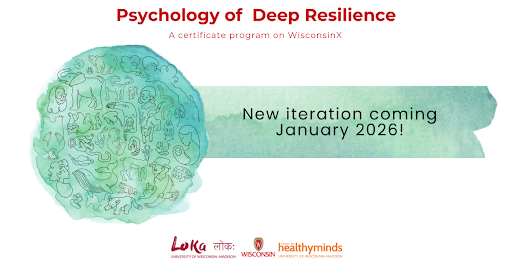
Thank you to the 1550+ learners who took the Psychology of Deep Resilience course program this past year! Loka has paused the program in order to update it and add more contemplative practices. Stay tuned for January 15, 2026, when we relaunch it.
|
|
|

|
|
|
|
|
|
|
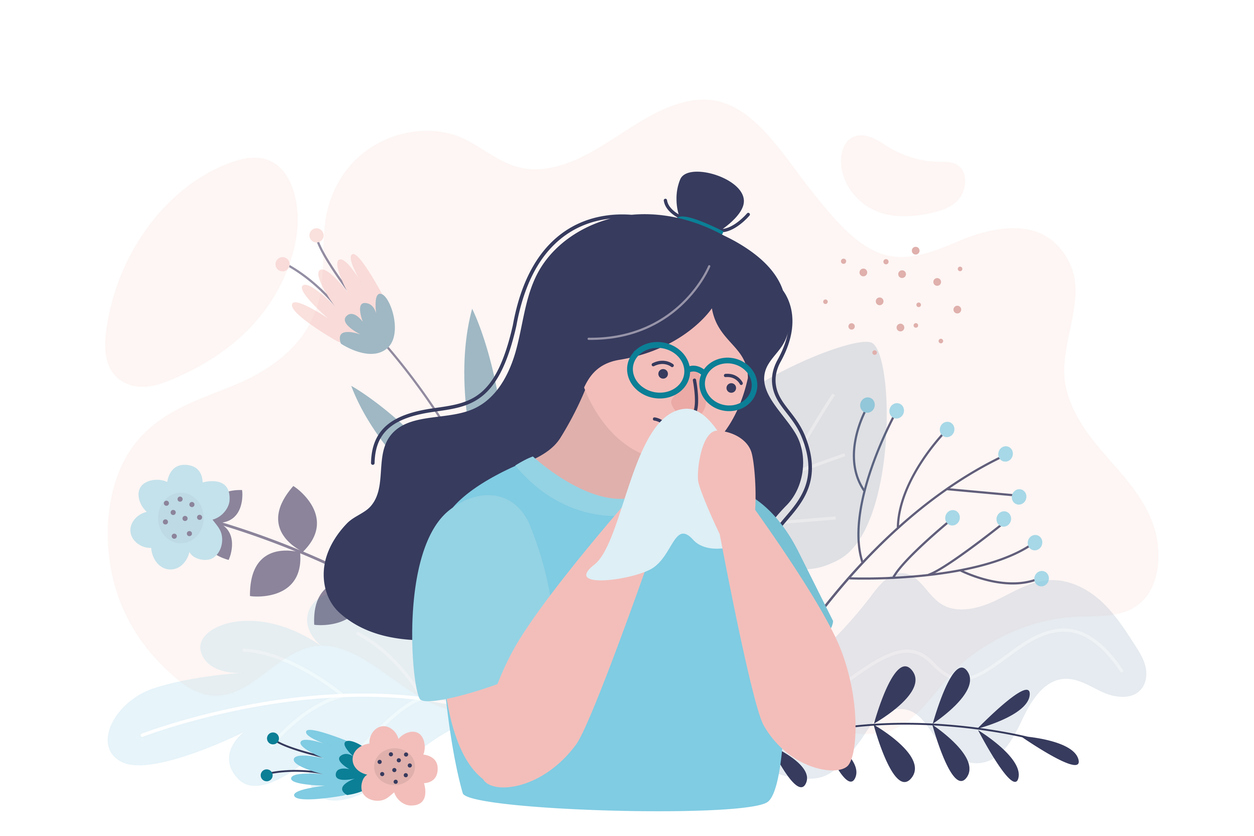
CHM Core Faculty member Dr. Melissa Rosenkranz and Affiliated Faculty member Dr. Charles Raison were recently featured in a Medscape article exploring the connection between inflammation and conditions like allergies, asthma, and depression. Their insights shed light on the growing understanding of the intersection between physical and mental wellbeing.
|
|
|
|
|
|
|
|
Promoting Healing During and After Incarceration | University of the Air
Dr. Dan Grupe and CHM community research partner Deb Mejchar were recently interviewed by University of the Air co-host Emily Auerbach about how mindfulness techniques can transform lives in prison and aid with reentry. Listen to the June 29 recording.
|
|
|
|
|
Recommended Read:
The real costs of research funding cuts | UW News
A large percentage of CHM’s funding comes from federal agencies like NIH. Federal funding allows CHM to conduct rigorous research into issues that affect millions of people around the world, such as the connection between asthma and dementia and how digital technology use may affect adolescent wellbeing. In a broader context, with proposed changes to NIH support, critical health research at UW–Madison would be at risk. Here’s why.
|
|
|
|
|
What We’re Excited About
First World-wide Study of Meditation | Contemplative Studies Centre at The University of Melbourne
Recently launched by the Contemplative Studies Centre at The University of Melbourne, The World Meditation Survey will examine meditation practice, motivation and individual characteristics of meditators in different traditional and cultural contexts. With a strong belief in international and interdisciplinary collaboration, participating researchers in seven different countries on four continents have translated the survey into nine different languages.
"So much of the research that has been done on meditation has been geographically restricted. This project is being led by global meditation researchers to capture the experience of global meditation practitioners. I'm hopeful that it will help the field better understand how meditation is practiced - and what impact meditation practice has - on individuals from diverse walks of life." -Dr. Simon Goldberg, CHM Core Faculty Member
|
|
|
|
|

|
|
|
|
Meet the people behind the Center in our CHM staff/faculty spotlight feature!
|
|
|
|
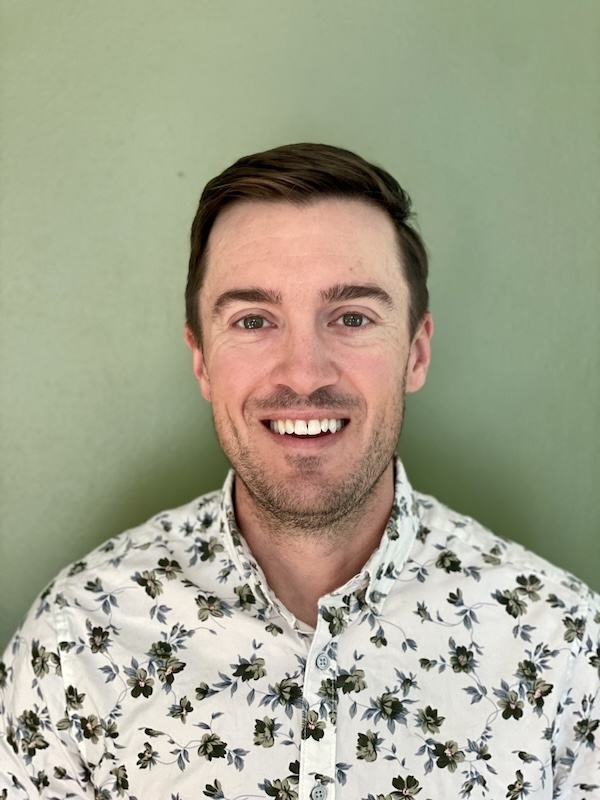
Research Assistant Professor
|
|
|
|
|
🔶 How long have you worked at the Center?
I’ve been with CHM for 11 months.
🔶 What’s something about the Center or your role you think most people might not know?
Before getting into stats and machine learning, I worked as a mental health case manager.
🔶 What’s something interesting about you?
At different times, I came close to going pro in both golf and Ironman triathlon.
🔶 A favorite quote, lyric or saying?
Nothing specific, but I reread Meditations and Self-Reliance every year.
|

|
|
|
|
|
Our Center relies on the support of competitive federal grants and the generosity of donors and foundations.
A significant portion of our funding is from generous supporters like you who give to the Center to cultivate wellbeing and relieve suffering through a scientific understanding of the mind. To learn more about CHM giving, please visit our webpage and feel free to contact Taeli Turner at Tsturner3@wisc.edu or (608) 263-3672.
|
|
|
|
|
|
|
|
|