|
|
|
Greetings , and thanks for being an important part of our Healthy Minds community!
We have some exciting updates for you, that span across many disciplines and subject matters – just as the work at CHM does. From new study results about wellbeing training for healthcare providers to securing several major grants, including one aimed at research on digital interventions for mental health, here’s what’s new at the Center.
|

|
|
|
|
|
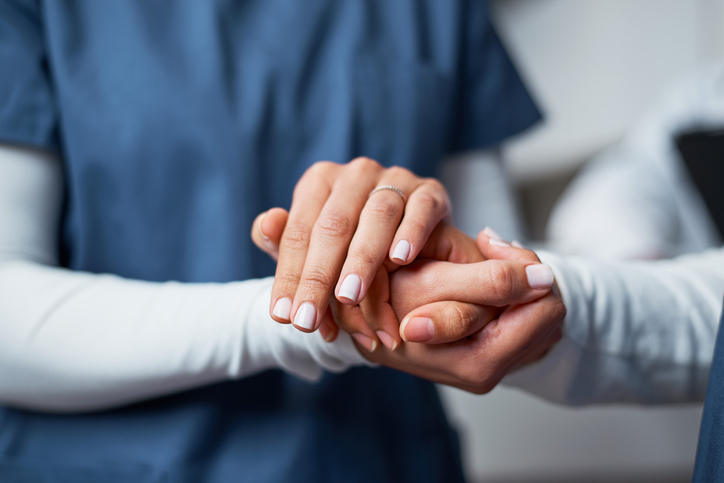
Photo credit: iStock / Meeko Media
|
Positive Results from Study of Digital Wellbeing Training for Mexican Healthcare Providers
Researchers from CHM and AtentaMente, a group in Mexico that specializes in mental and socio-emotional training, have released evidence that a scalable, digital wellbeing training can improve health care provider mental health and wellbeing. The study is one of the first large-scale randomized controlled trials of a wellbeing program for health care providers and was published in JAMA Internal Medicine.
|
|
|
|
|
|
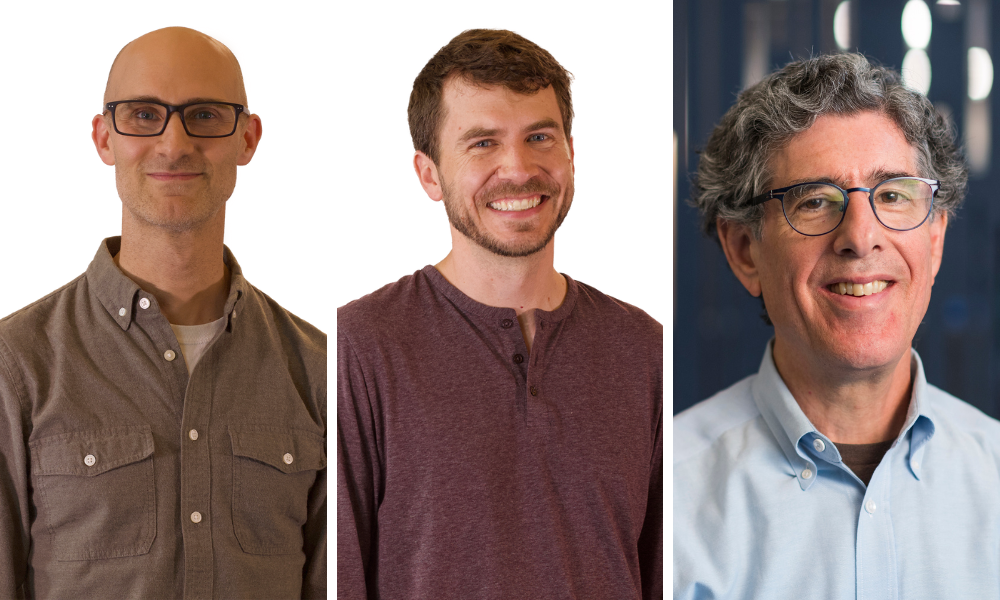
From left: Dr. Simon Goldberg, Dr. Dan Grupe and Dr. Richard J. Davidson.
|
Three Major Grants Awarded to CHM Scientists
Major grants have been awarded to several teams, including CHM scientists, to support upcoming wellbeing research:
- Congrats to Research Assistant Professor Dr. Dan Grupe for his Dana Foundation award titled "Peer Centered approaches for promoting well-being among formerly incarcerated people." The grant is $150K over a year and a half. Learn More.
- Congrats to Core Faculty member Dr. Simon Goldberg and CHM Founder and Director Dr. Richard J. Davidson, on receiving a $2.8M grant from National Institutes of Mental Health to support their research on digital interventions for mental health! This project will explore ways to enhance the Healthy Minds Program app (from Healthy Minds Innovations (HMI)) with online coaching and prompts, aiming to make digital interventions more effective in treating depression and anxiety. This research could help make mental health tools more effective and accessible to those who need it.
- Approximately $4.7M was awarded to CHM and affiliated non-profit Healthy Minds Innovations (HMI) to support a three-year comparative study of the microbiome and mental health. The study is a collaboration between UW–Madison’s Center for Healthy Minds, Wisconsin Institutes for Discovery, UW Family Medicine, Departments of Statistics and Biostatistics & Medical Informatics, as well as external collaborators MIT and HMI.
|
|
|
How does self compassion connect to being kinder to others?
Being kind to yourself may be the first step towards being kinder to others. Check out this Mindfulness paper co-authored by CHM postdoctoral research associate Polina Beloborodova. This study highlights how self compassion is connected with greater empathy and wellbeing across personal, interpersonal, and societal levels.
|
|
|
|
|
|
CHM Scientists Pens Collection of Articles on ‘Tukdam’
Read this Tukdam special issue for the journal Culture, Medicine, and Psychiatry with CHM Research Assistant Professor Dr. Tawni Tidwell as guest editor. What exactly is “Tukdam”? It’s a meditative state a person enters through a variety of practices at the time of clinical death, and remains in for days or even weeks, while showing minimal or delayed bodily decomposition. This collection of six articles examines Tukdam and the unique cultural approach to the dying process and state of death.
|
|
|
|
|
|

|
|
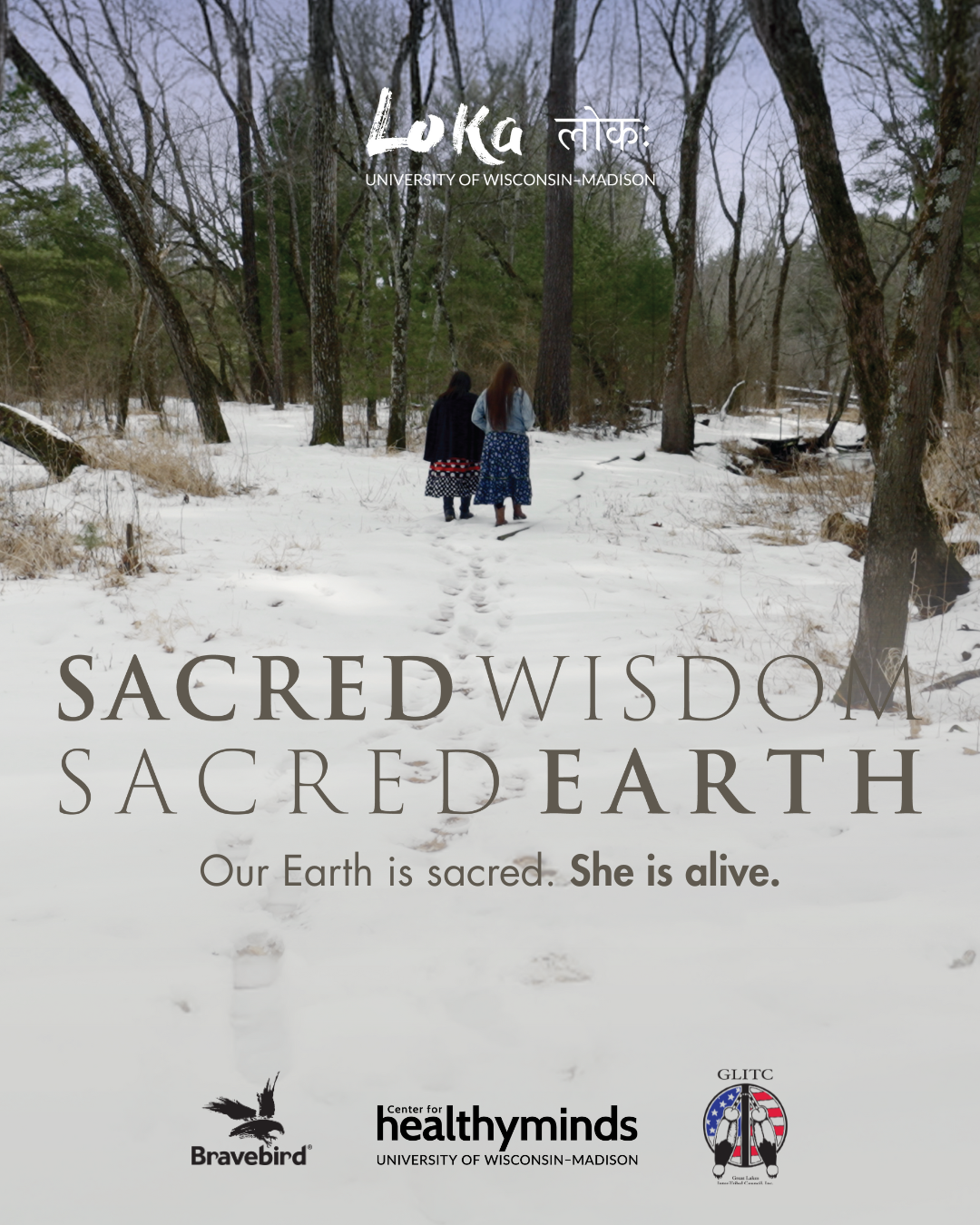
Loka Initiative Launches Documentary: Sacred Wisdom Sacred Earth
Sacred Wisdom Sacred Earth is a compelling feature-length documentary on how the efforts of Wisconsin’s Native American tribes to restore their spiritual, cultural, and environmental resilience is rooted in their sacred connection to the land and waters of the Great Lakes. The film’s latest screening, held on the UW–Madison campus in November, is officially sold out! Stay up-to-date about upcoming screenings of the documentary on the Sacred Wisdom Sacred Earth website.
|
|
|
|
|
|
|
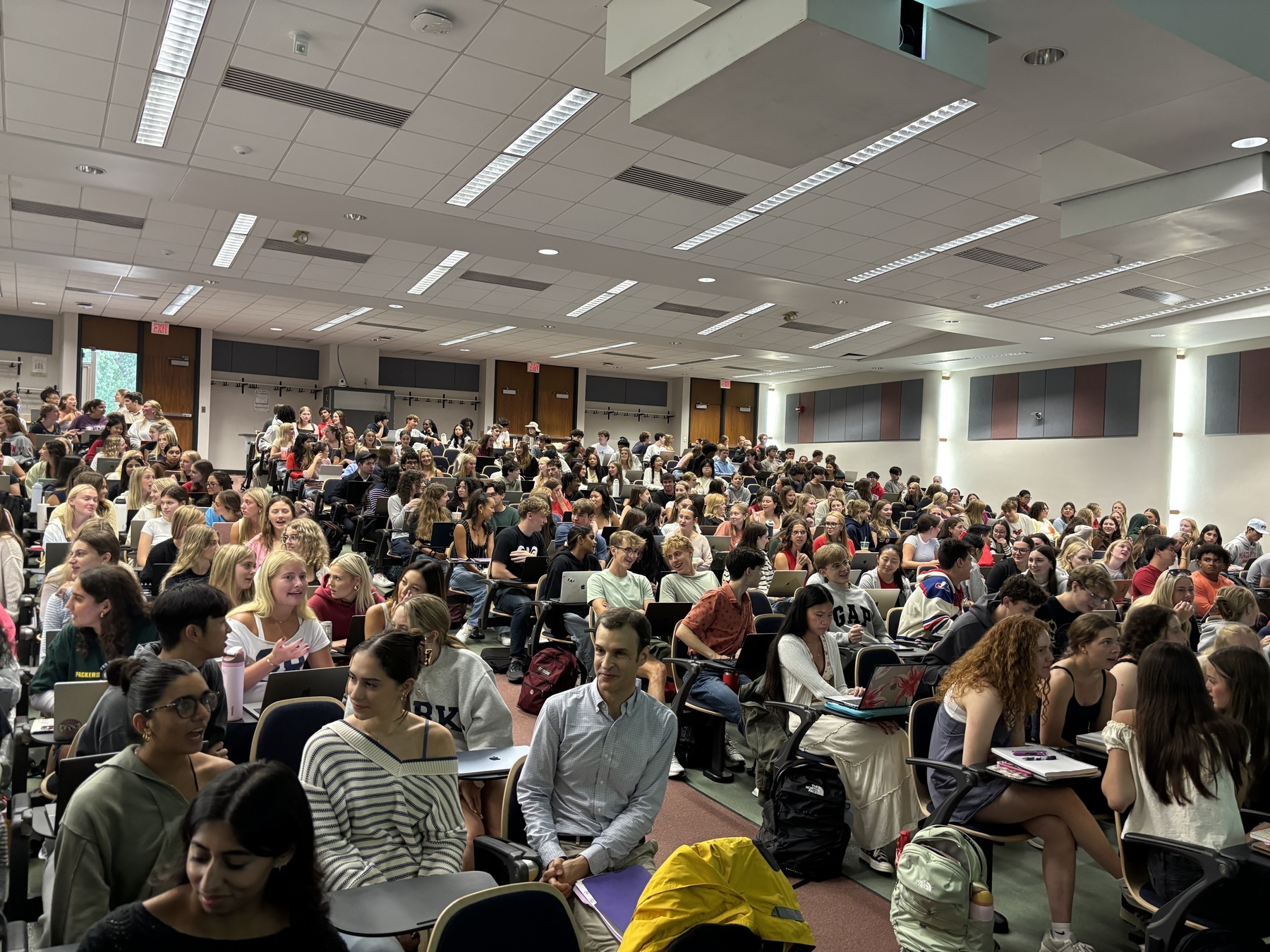
Students gather at the Art and Science of Human Flourishing Course for UW-Madison's first day of fall semester classes in September. Photo credit: ASHF
|
CHM’s ‘Human Flourishing’ Course Kicks Off Another Semester
Dr. Tony Chambers, CHM director for community wellbeing, and Dr. Teri Pipe, CHM core faculty member, are leading the ninth edition of the Art and Science of Human Flourishing (ASHF) course at UW–Madison that kicked off in September. More than 300 freshmen are enrolled in the course that was co-created by the Center for Healthy Minds, University of Virginia and Penn State.
Students are exploring perspectives related to human flourishing and investigating themes such as transformation, resilience, compassion, belonging, gratitude, community, self-awareness, social connectivity, and the ability to change.
|
|
|

|
|
|
|
|
CHM Core Faculty member Dr. John Dunne talks about how Buddhist and scientific perspectives on consciousness contrast and connect.
|
Our connection to nature is fading – not only in our daily lives, but in our words, too. CHM Honorary Fellow Pelin Kessiber explores how our vocabulary used today reflects our growing disconnection from the natural world.
|
Whether it’s via an online program or simply a smartwatch, healthcare professionals stand to gain skills and insights. CHM scientist Dr. Matt Hirshberg weighs in.
|
What We're Excited About...
Many CHM experts are familiar with Dr. John Makransky’s work and recently met with him for meditation, discussion and tea while he was in Madison for a retreat. Over the course of many years, John has developed Sustainable Compassion Training (SCT), which combines elements of Buddhist compassion practices with insights from Attachment Theory and Cognitive Science. With his collaborator Paul Condon, John has recently published How Compassion Works, which is essentially a manual for SCT.
|

|
|
|
|
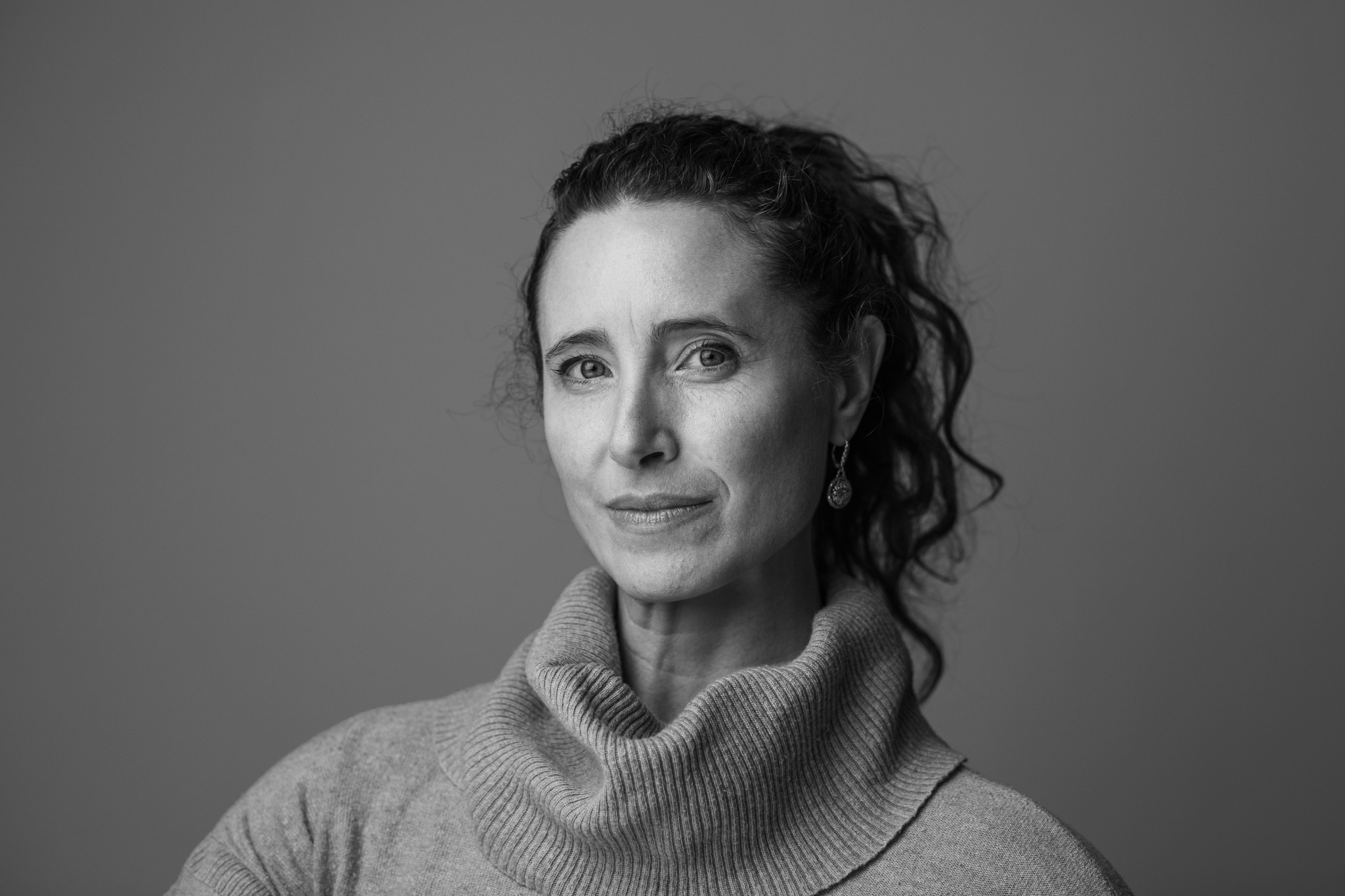
Meet the people behind the Center in our CHM staff/faculty spotlight feature!
|
|
|
|
🔶 How long have you worked at the Center?
12 years
🔶 What’s something about the Center or your role you think most people might not know?
I have served in multiple roles during my time with the Center. I started as a temporary employee to administer the Training Program in Emotion Research training grant and coordinate our growing group of undergraduate credit and paid students. Since then, I’ve served in many different administrative capacities at the Center, including human resources, grants, purchasing, finance, accounting, building management, event and visitor coordination, and beyond.
🔶 What’s something interesting about you?
I love taking care of plants. I currently care for 47 different plant species including indoor papaya and eucalyptus trees and two carnivorous plants!
🔶 A favorite quote, lyric or saying?
“Worrying is like a rocking chair. It gives you something to do but doesn’t get you anywhere.” – Erma Bombeck
|

|
|
|
|
|
Our Center relies on the support of competitive federal grants and the generosity of donors and foundations.
A significant portion of our funding is from generous supporters like you who give to the Center to cultivate wellbeing and relieve suffering through a scientific understanding of the mind. To learn more about CHM giving, please visit our webpage and feel free to contact Taeli Turner at Tsturner3@wisc.edu or (608) 263-3672.
|
|
|
|
|
|
|
|

|
You’re an important part of the Healthy Minds community! Share the science of wellbeing and flourishing with a friend and remind them to subscribe here.
|
|
|
|
|