|
|
|
Research Shows AIS Messaging Works
|
|
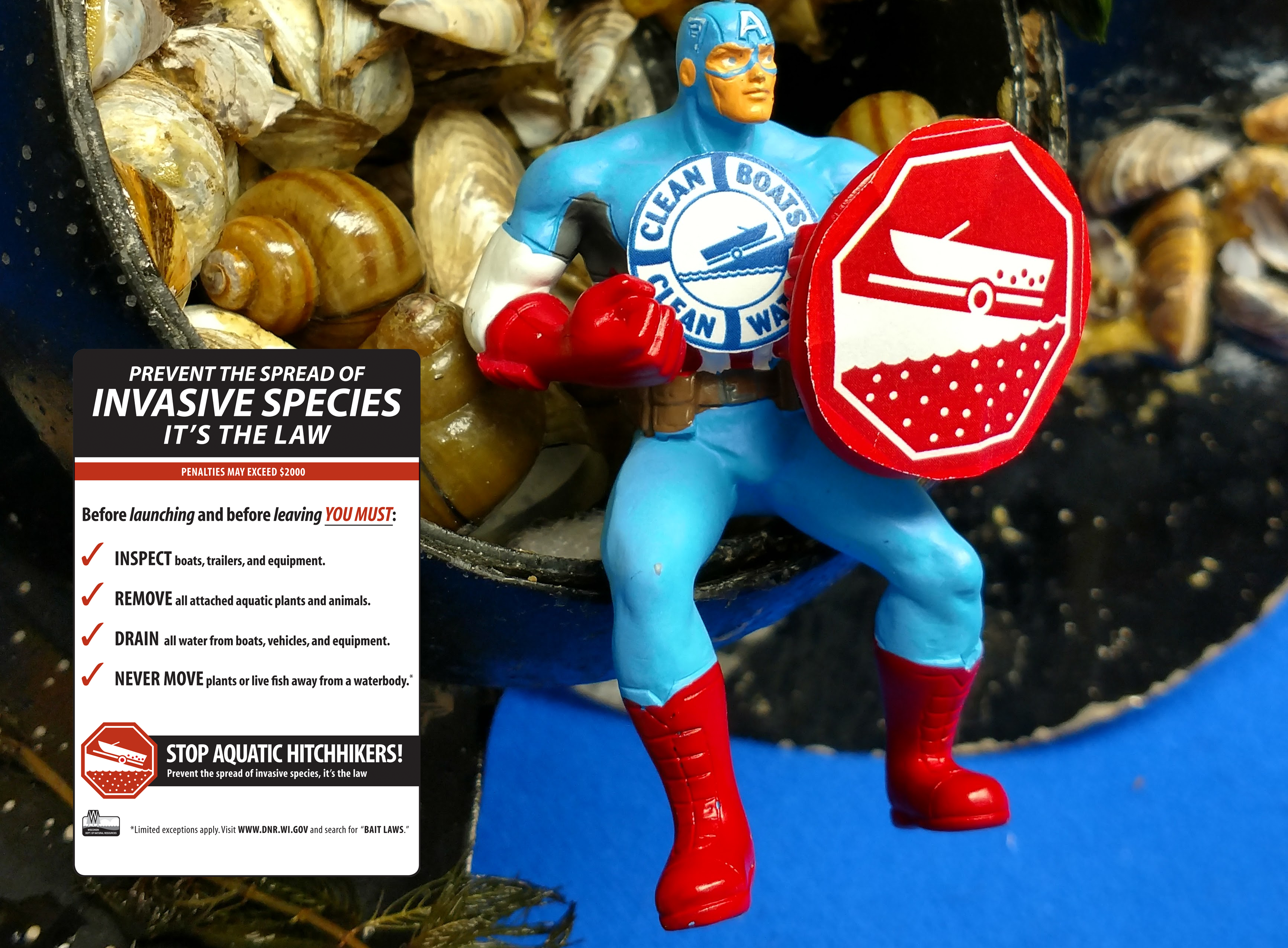
It doesn't take superhero strength to help stop the spread of invasive species. We can all do our part.
Photo by Stephanie Boismenue
|
Education Works: Boaters who know the ‘Stop Aquatic Hitchhikers!’ rules are doing their part to stop AIS
Millions of dollars are spent each year on programs that encourage recreational boaters to help stop the spread of aquatic invasive species like zebra mussels and hydrilla. But do these programs, like the national Stop Aquatic Hitchhikers! and Clean Drain Dry brands, actually work?
Recently published research from a University of Wisconsin–Madison team shows — for the first time — that yes, they do.
“Before now, we only assumed these messages work,” said Tim Campbell, Wisconsin Sea Grant’s aquatic invasive species outreach specialist and coauthor of the study. “This research shows, for sure, that Stop Aquatic Hitchhikers! and Clean Drain Dry outreach help keep our lakes and rivers free of invasive species.”
|
|
|
|
|
Wisconsin DNR Awards $6.1 Million in Surface Water Grants
|
|
|
|
|
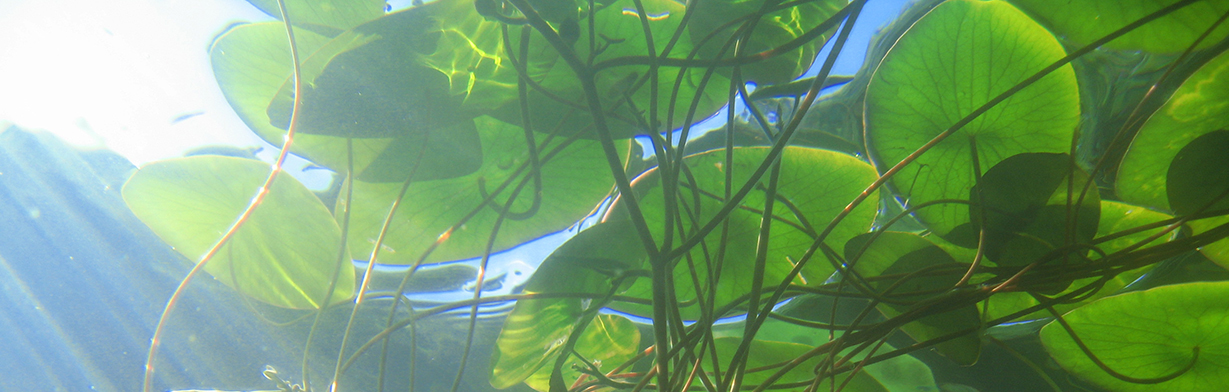
Native aquatic plants are important in helping to keep our shared waters healthy. Photo by Robert Korth
|
|
|
|
Big News for Wisconsin's Waters!
The Wisconsin Department of Natural Resources has awarded over $6 million in Surface Water Grants, supporting 426 projects across the state. From rivers and streams to lakes and wetlands, these funds will help protect and restore the waters that define Wisconsin’s lifeblood.
This year’s projects span everything from habitat restoration and water quality improvements to education, outreach, and aquatic invasive species prevention. Standout efforts include restoring over 21 miles of class 1 trout streams through culvert replacements, remeandering creeks and revitalizing wetlands, and improving lake health with shoreline restorations.
These investments highlight the power of collaboration and a shared commitment to safeguarding Wisconsin’s water legacy for generations to come.
If your local organizations could benefit from a surface water grant, reach out now to determine eligibility and begin developing ideas before the September 2026 pre-application deadline.
|
|
|
|
|
|
|
Wisconsin Lake List Directory
|
|
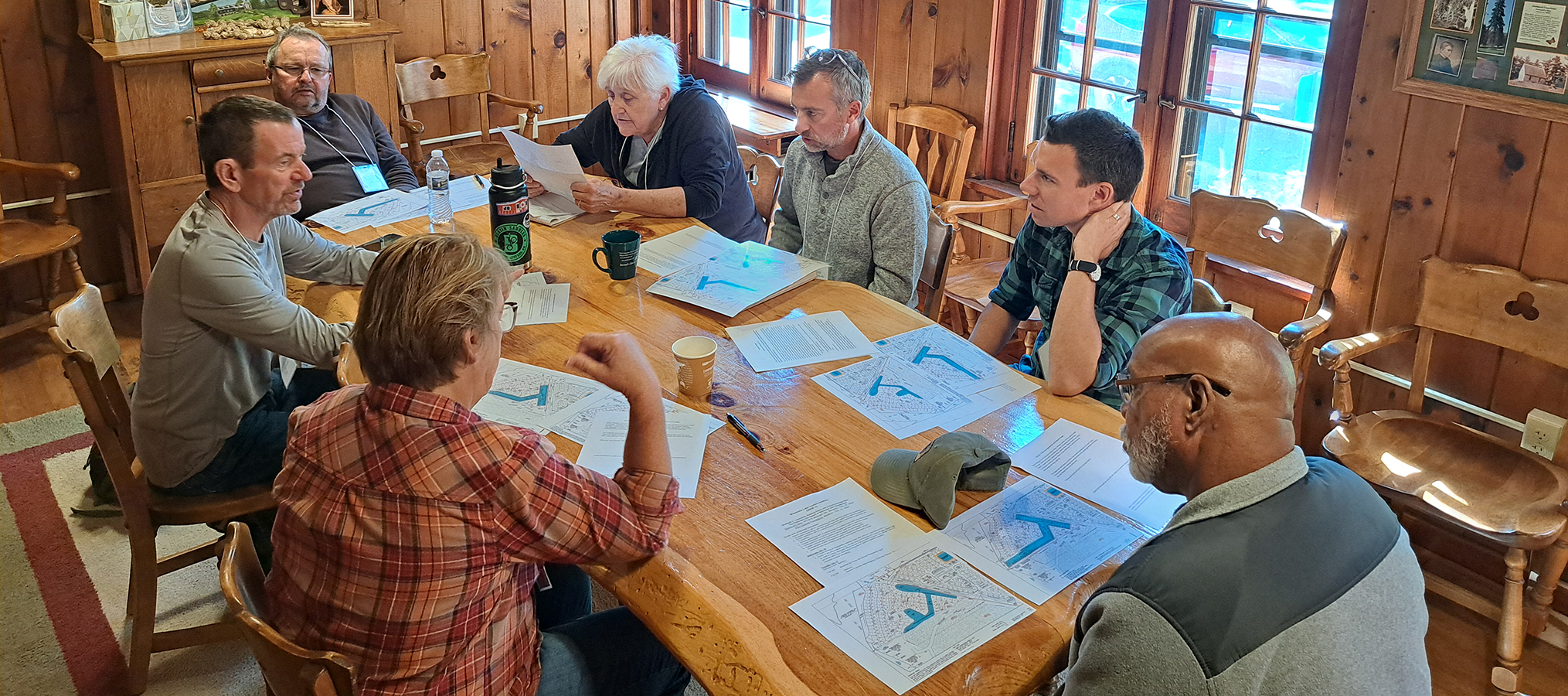
Connecting and engaging with your local lake community can help protect and preserve our shared waters.
Photo by Sara Windjue
|
Do you know how many lake districts and associations are in your county? Have you ever wondered how many counties have countywide lake groups?
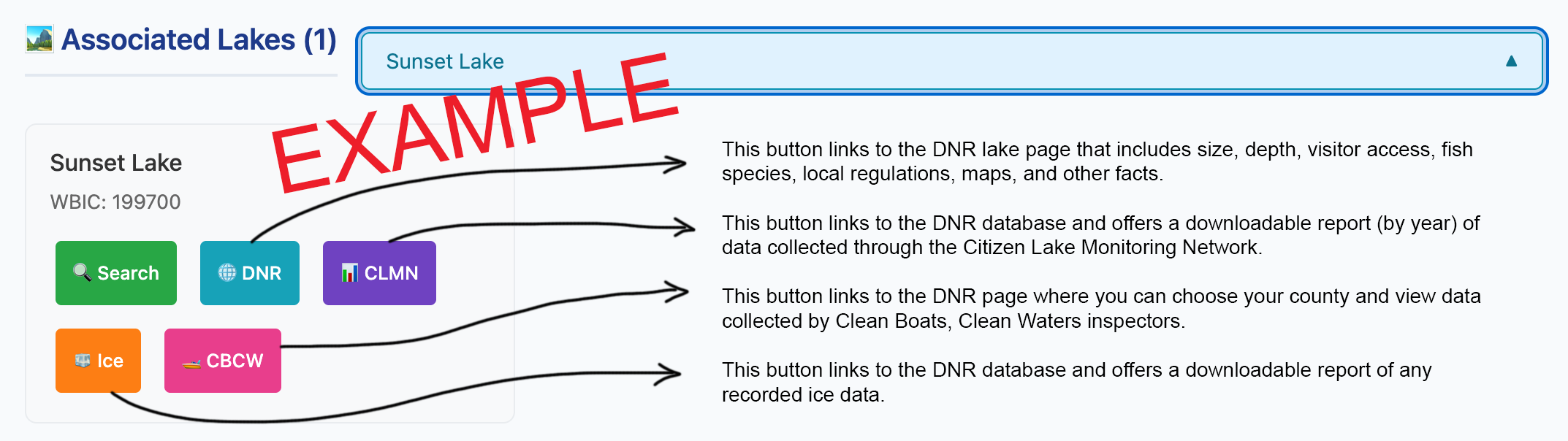
Anyone can use the new and improved Wisconsin Lake List Directory on the Extension Lakes website to search Wisconsin’s lake organizations and support community engagement. You can connect to your local organization and learn who is on the board, when the organization was formed, and which lakes are within their jurisdiction. Each lake dropdown includes additional links to more lake data from the Wisconsin Department of Natural Resources.
|
|
You can also find lake-related businesses by searching for the services they offer. Businesses included in the Lake List have been added voluntarily; their presence does not imply endorsement.
If you are listed as a contact of an organization, you can request editing access by selecting “Temp Admin Access” in the upper right corner of the organizational record. This feature allows each organization to keep their Lake List record updated.
Do some exploring and see what connections you can make through the Wisconsin Lake List Directory. Reach out to Extension Lakes with any questions.
|
|
|
|
|
Phenology Fun Fact
|
|
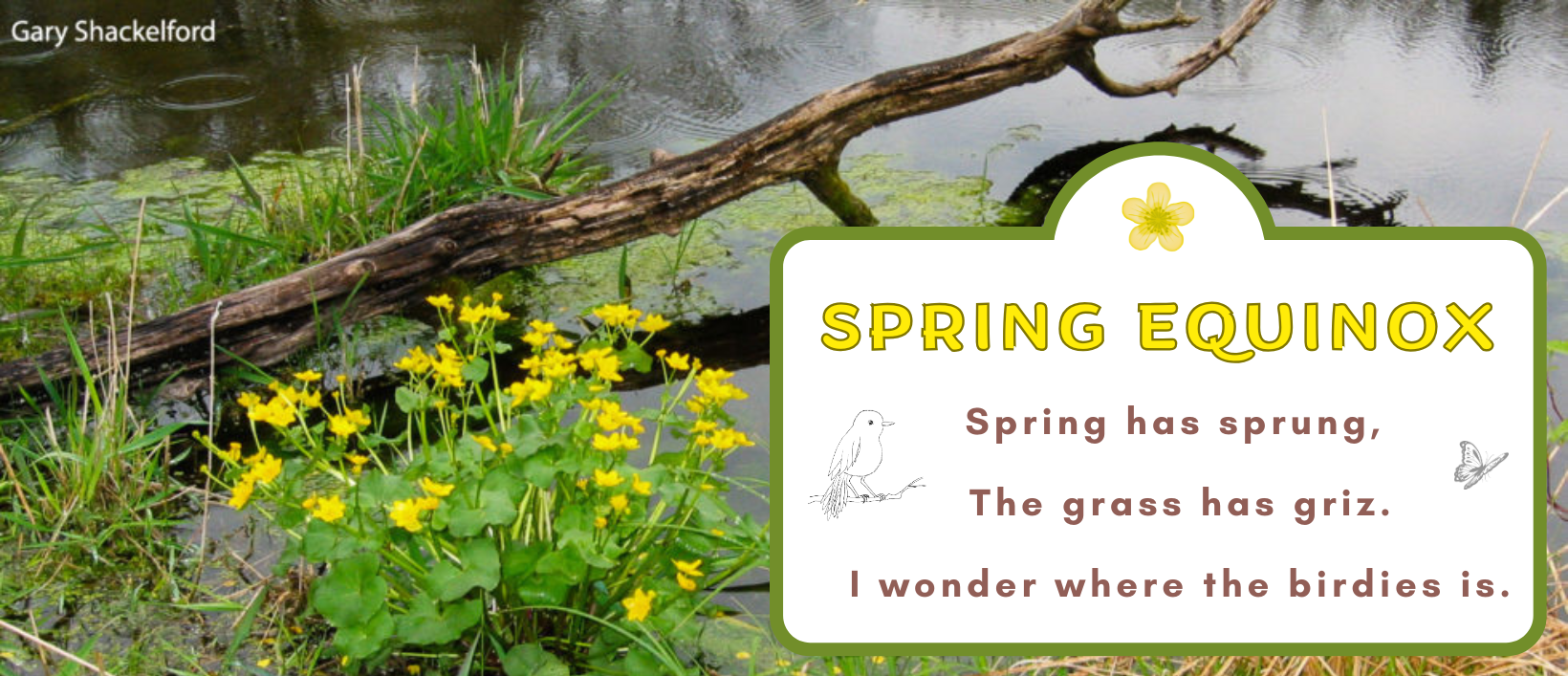
Marsh marigold (Caltha palustris) is an early spring native perennial in Wisconsin that loves to grow near the water. Photo by Gary Shackelford.
|
March 20: Vernal Equinox
That's right - spring is upon us! It may not seem like it with the big snow dump some of us received last weekend, but it's here:
- Listen for frog calls (Oh, by the way, it's also World Frog Day today!)
- Look for water birds
- Taste the maple sap
- Feel the seasons change
|
|
|
|
|
|
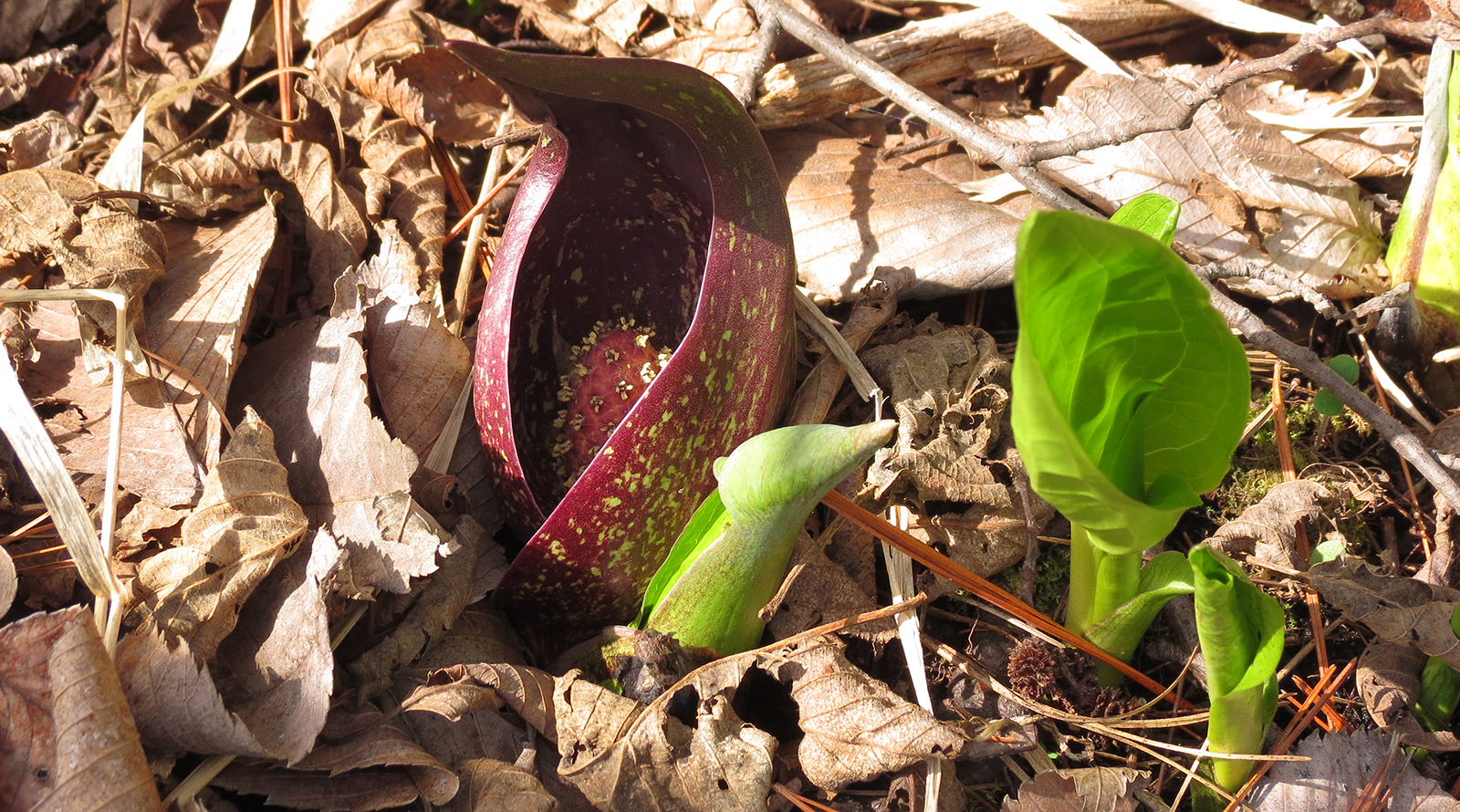
A sure sign of spring is the emergence of skunk cabbage (Symplocarpus foetidus) along streams and lakeshores. The first thing to emerge is the large, dark hood that surrounds the flower spike. This dark hood absorbs and concentrates solar heat to volatilize chemicals in the flower, which have a foul smell and attract flies for pollination. The plant can also metabolize starch stored underground, which produces additional heat and can help melt nearby snow.
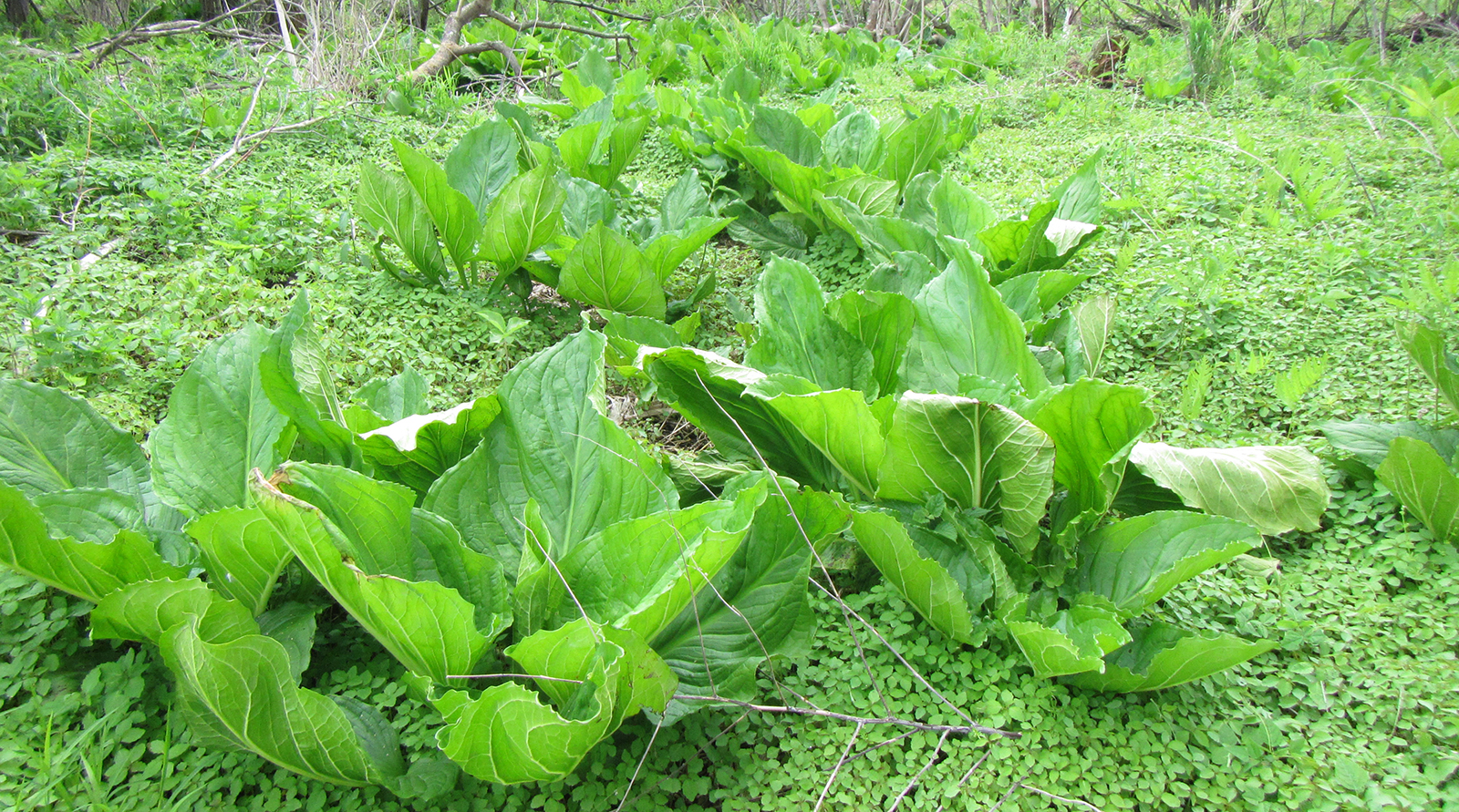
The giant leaves of skunk cabbage emerge next, rolled up tightly but quickly unfurling and growing to over a foot in diameter. These giant leaves on the landscape indicate areas where groundwater is near to the surface. Many wetland explorers have also noted that the soil around skunk cabbage tends to be very soft and may swallow a boot after a poorly placed step!
|
|
|
|
|
|
|
Wisconsin Lakes and Rivers Convention
|
|
|
|
|
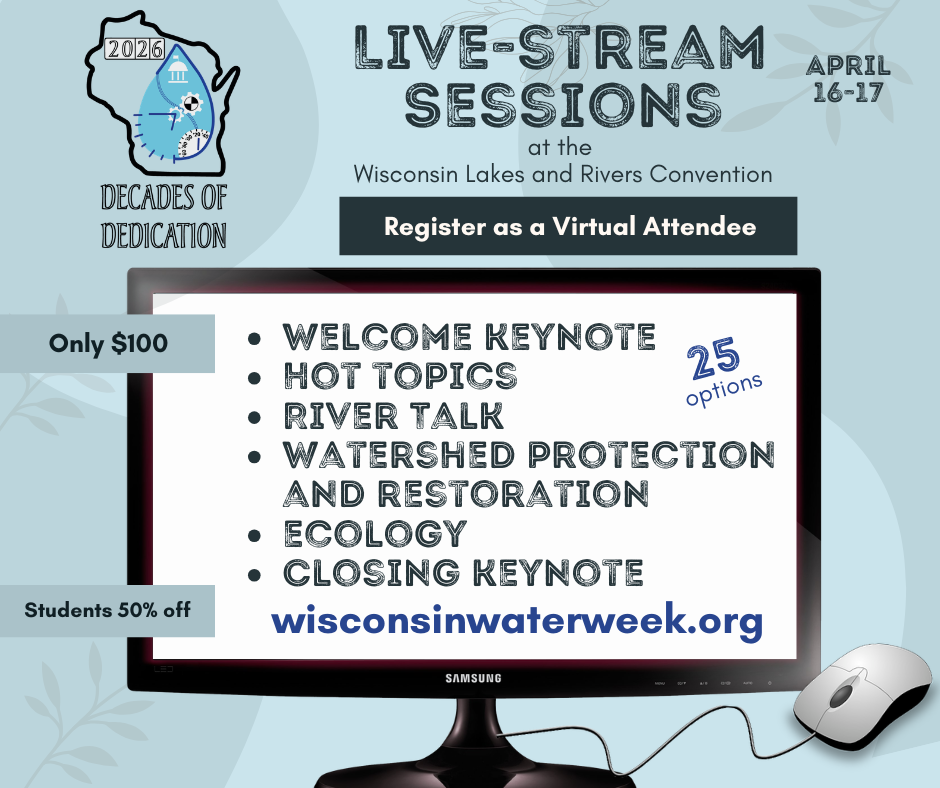
Workshops, Field Trips and Live-streams, Oh My!
Want to get a taste of the Convention, but can't commit to the full agenda? Join us for a Workshop (Wed. am/pm or Fri. pm). If you're stopping by on Wednesday, stay a little later and enjoy the Welcome Reception featuring the 2026 Flow Project Art Exhibit! You can also join us virtually with access to live-streamed plenary sessions and options from these concurrent session topics:
- Hot Topics (Thursday)
- River Talk (Thursday)
- Watershed Protection and Restoration (Friday)
- Ecology: Connecting to Water (Friday)
|
|
|
|
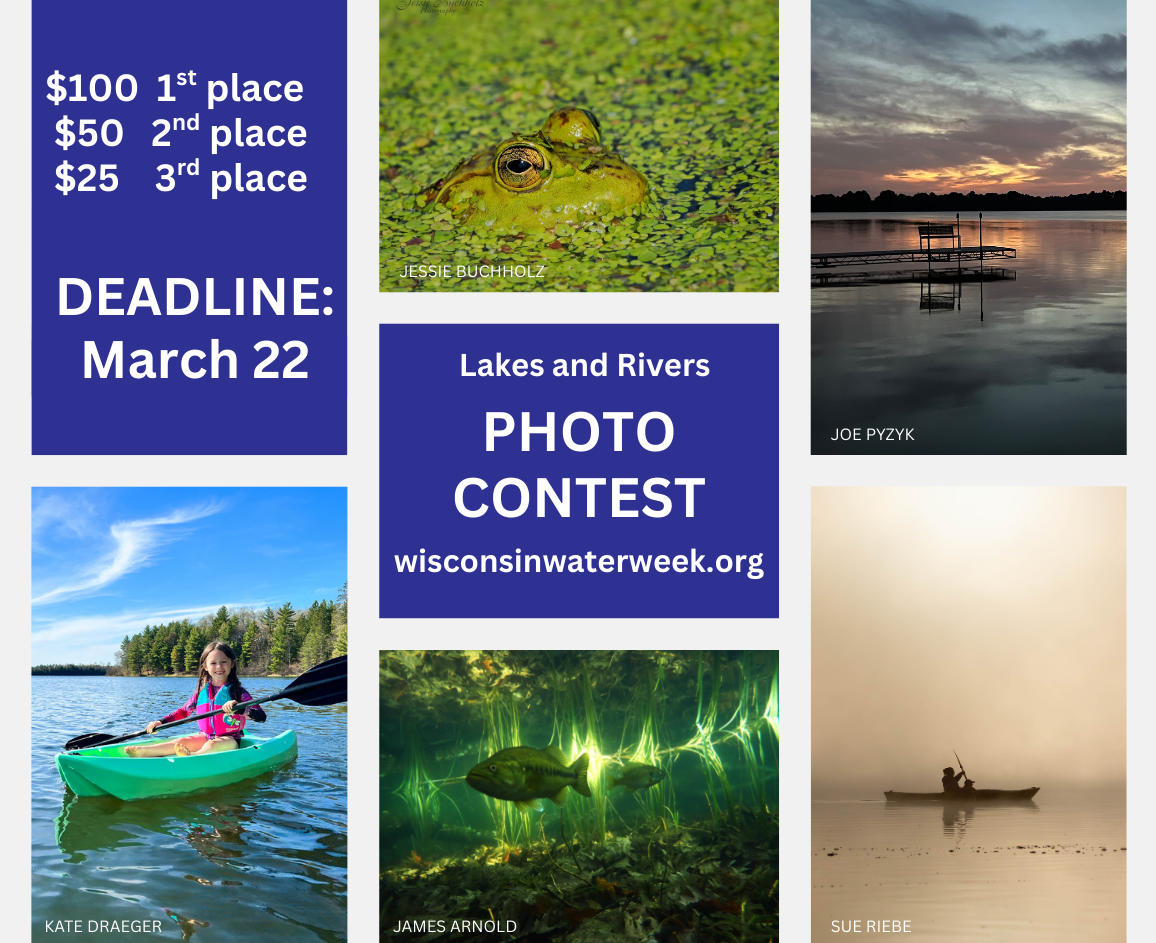
Photo Contest - Deadline: March 22
Submit your best lake or river photos to be printed and displayed at the Wisconsin Lakes and Rivers Convention next month. You could win $100!
Categories (submit one photo in each):
- Natural Features in and around Lakes/Rivers and Underwater
- People Enjoying Lakes/Rivers
|
|
|
|
|
|
|
|
Healthy Lakes & Rivers - Spring Runoff
|
|
|
|
Where does the water go?
Need some help?
Join us for a workshop about Managing Runoff with Healthy Lakes & Rivers Practices at the Wisconsin Lakes and Rivers Convention. We'll walk you through how to use the Decision Tool and help you find the right practice to meet your goals. You'll even get a chance to design your own rain garden in a fun activity! No previous design experience required!
Wednesday, April 15
9:00 AM-12:00 PM
Stevens Point
|
|
|
|
|
|
|
Upcoming Events
|
International Fly Fishing Film Festival
March 21, 2026 | Hayward
This is an ultimate celebration of fly-fishing culture, featuring a curated collection of world-class films and cinematic storytelling from independent filmmakers around the globe. Rooted in the soul of fly fishing, it brings together powerful stories that capture the heart and adventure of fly fishing.
|
|
|
Wisconsin Lakes and Rivers Convention
April 15-17, 2026 | Stevens Point
Join scientists, water management specialists, educators, students, waterfront property owners, and other water-forward thinkers this spring, at the Wisconsin Lakes and Rivers Convention in Stevens Point, April 15-17, to share insights, connections, and inspiration! Early-bird pricing ends February 1! We will be looking back at the “decades of dedication” devoted to solving Wisconsin’s wicked water problems and protecting our amazing lakes and rivers.
|
|
|
|
|
|
North Lakeland Woods and Water Conference
April 24, 2026 | Manitowish Waters
From forest floors to lake shores, discover how land, water, and community shape the Northwoods.
|
|
|
Wild & Scenic Film Festival
April 30, 2026 | Madison
For the seventeenth year, River Alliance of Wisconsin and the Barrymore Theatre will be proud hosts of the Wild & Scenic Film Festival in Madison. The evening of films, curated by River Alliance, is guaranteed to leave you inspired to get outside, paddle and be a voice for our waters.
|
|
|
|
|
|
|
|

|
Enjoy reading to the kids in your life?
This club focuses on books written by Native
authors about Oijbwe culture and the Great Lakes.
|
|
|
|
Did this come to you from a friend? Subscribe HERE.
|
|
|
|
|