|
|
GREAT LAKES RURAL OPIOID TECHNICAL ASSISTANCE REGIONAL CENTER
|
|
|
|
Great Lakes ROTA-RC Reporter July 2024
|
|
|
July is Minority Mental Health Awareness Month
|
|
|
|
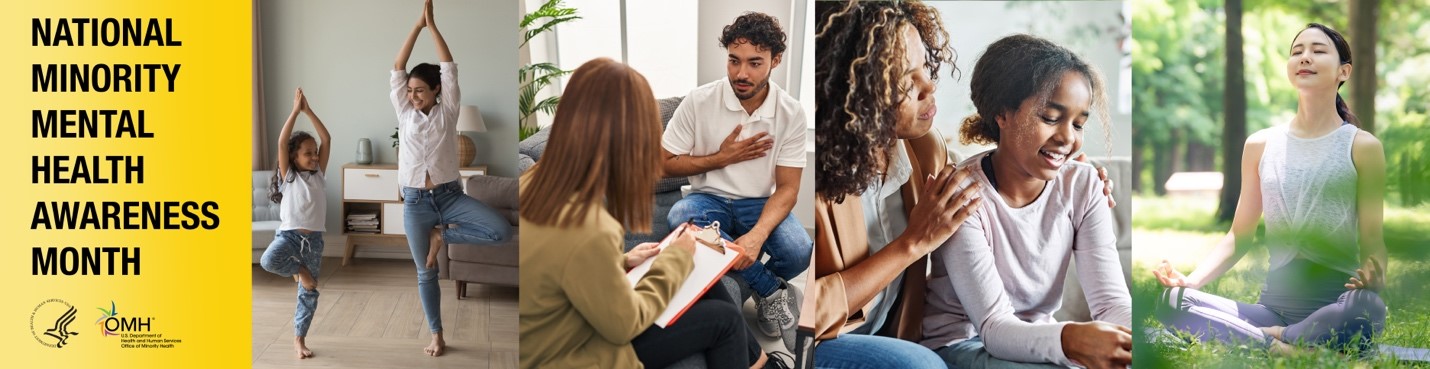
This July, the U.S. Department of Health and Human Services (HHS) Office of Minority Health (OMH) is focusing on improving mental health outcomes for racial and ethnic minority and American Indian/Alaska Native (AI/AN) communities through its 2024 theme Be the Source for Better Health: Improving Health Outcomes Through Our Cultures, Communities, and Connections. This theme calls on each of us to better understand how the unique environments, cultures, histories, and circumstances (known as social determinants of health, or SDOH) of racial and ethnic minority and AI/AN populations impact their mental health.
|
|
|
|
Watch the Great Lakes ROTA-RC Video!
|
Video created by the Purdue University Extension team as part of the Great Lakes ROTA-RC, Rural Communities grant project.
|
|
|
|
ROTA-RC Hosted Events Calendar-At-A-Glance
|
|
|
|
|
|

|
Presented by Pam Lanhart from Thrive! Family Recovery Resources
|
Changing Families, Changing Outcomes: Compassionate Responses to Substance Use in the Family
Tuesday, July 23, 2024
9:00–10:00 AM CT/ 10:00–11:00 AM ET
From Tough Love, to Loving Well
This session provides an overview of why families matter, and some simple things that we can do immediately to help families respond with intention through this process.
|
|
|
|
|
|
|
Presenter: Paul Roback, Community-Development Educator, UW-Madison Extension
|
Building Impactful Programs: Using the Logic Model Framework for Program Design and Outcome Measurement
Tuesday, August 6, 2024
10–11am CT/11–12pm ET
Designing programs to address community needs can be challenging. The logic model framework is a simplified illustration of the relationships among resources, activities, and the changes that have resulted. This session will build participants' understanding of the logic model and its application in program development and application.
|
|
|
|
|
|
|
Presented by Sheila P. Vakharia PhD, MSW, Deputy Director, Department of Research and Academic Engagement, Drug Policy Alliance.
|
The Harm Reduction Gap: Implications for Public Health and Medical Providers
Thursday, September 5, 2024
Time: 12:00–1:30 PM CT/ 1:00–2:30 PM ET
In this session, participants will explore the "harm reduction gap," which exists between traditional "just say no" drug prevention and abstinence-only treatment. This gap leaves many who use subsstances, including social, experimental, and recreational users without access to services to reduce the risks associated with substance use. Even those with substance use disorders fall into this gap. Join this session to learn about harm reduction strategies aimed at keeping people who use substances safe, thereby broadening the continuum of care to ensure community safety.
|
|
|
|
|
|
Minnesota
Loneliness and Social Isolation Are Common in Rural America. Is “Social Infrastructure” the Solution?
Strengthening social infrastructure is crucial for rural communities to survive. Read how one Minnesota doctor is building social connections through "social prescribing."
|
|
|
|

|
SAMHSA
Earlier this year, SAMHSA held the FentAlert Challenge as an opportunity for youth to develop a video about educating their community on fentanyl. Six winners and 25 honorable mentions were recognized from this challenge. One of the winners highlighted the importance of "showing" the message through social media videos.
|
|
|
|
|
|
Social Worker Licensure Portability Announced
The U.S. Department of Health and Human Services (HHS), through the Health Resources and Services Administration (HRSA), has announced the first-ever Licensure Portability Grant Program investment in a multi-state social worker licensure compact. State licensure compacts allow states to come together on a common approach to licensing health care providers, allowing providers to practice across state lines without having to apply for a license in each state.
|
|
|
|
The Great Lakes Rural Opioid Technical Assistance Regional Center (ROTA-RC) is funded by SAMHSA to serve rural areas in Il, IN, MI, MN, OH, and WI. The University of Wisconsin-Madison Extension leads ROTA-RC in partnership with the University of Illinois-Extension, Purdue Extension, Michigan State University Extension, University of Minnesota Extension, and Ohio State University Extension. Learn more at our website, greatlakesrota.extension.wisc.edu
|
An EEO/AA employer, University of Wisconsin-Madison Division of Extension provides equal opportunities in employment and programming, including Title VI, Title IX, the Americans with Disabilities Act (ADA) and Section 504 of the Rehabilitation Act requirements. La Universidad de Wisconsin-Extensión, un empleador con igualdad de oportunidades y acción afirmativa (EEO/AA), proporciona igualdad de oportunidades en empleo y programas, incluyendo los requisitos del Titulo VI, Título IX, y de la Ley para Americanos con Discapacidades (ADA).
|
|
|
|
|