|
|
|
As we celebrate Earth Day, we at the Loka Initiative pause to marvel at our Earth Mother, a singular miracle of Life spinning through the vastness of the universe. Grounded in the stark reality of ecological and climate collapse, which naturally means a social collapse as well, we find hope in the spiritual truth that we are not merely inhabitants of this world, but an interconnected extension of its very breath—bound to every root, river, and shifting current of change. This sacred interdependence is the heartbeat of Loka’s work, reminding our team that when we convene across faiths and sciences, we are not just “solving a problem”, but mending something that has been torn apart. In this spirit, our recent PREP conference was a testament to the fact that by protecting our communities and our landscapes, we are ultimately preserving the sanctity of our own shared future alongside that of our non-human relatives. No matter how high the waves get, we continue to sail forward.
Read on for insights into the gathering and other updates.
Happy Earth Life!
|
|
|
|
Dekila Chungyalpa
Director, the Loka Initiative at the Center for Healthy Minds
University of Wisconsin–Madison
|
|
|
|
LOKA INITIATIVE NEWS AND UPDATES
|
|
|
Keeping the Faith: Highlights from the 2026 PREP Conference
|
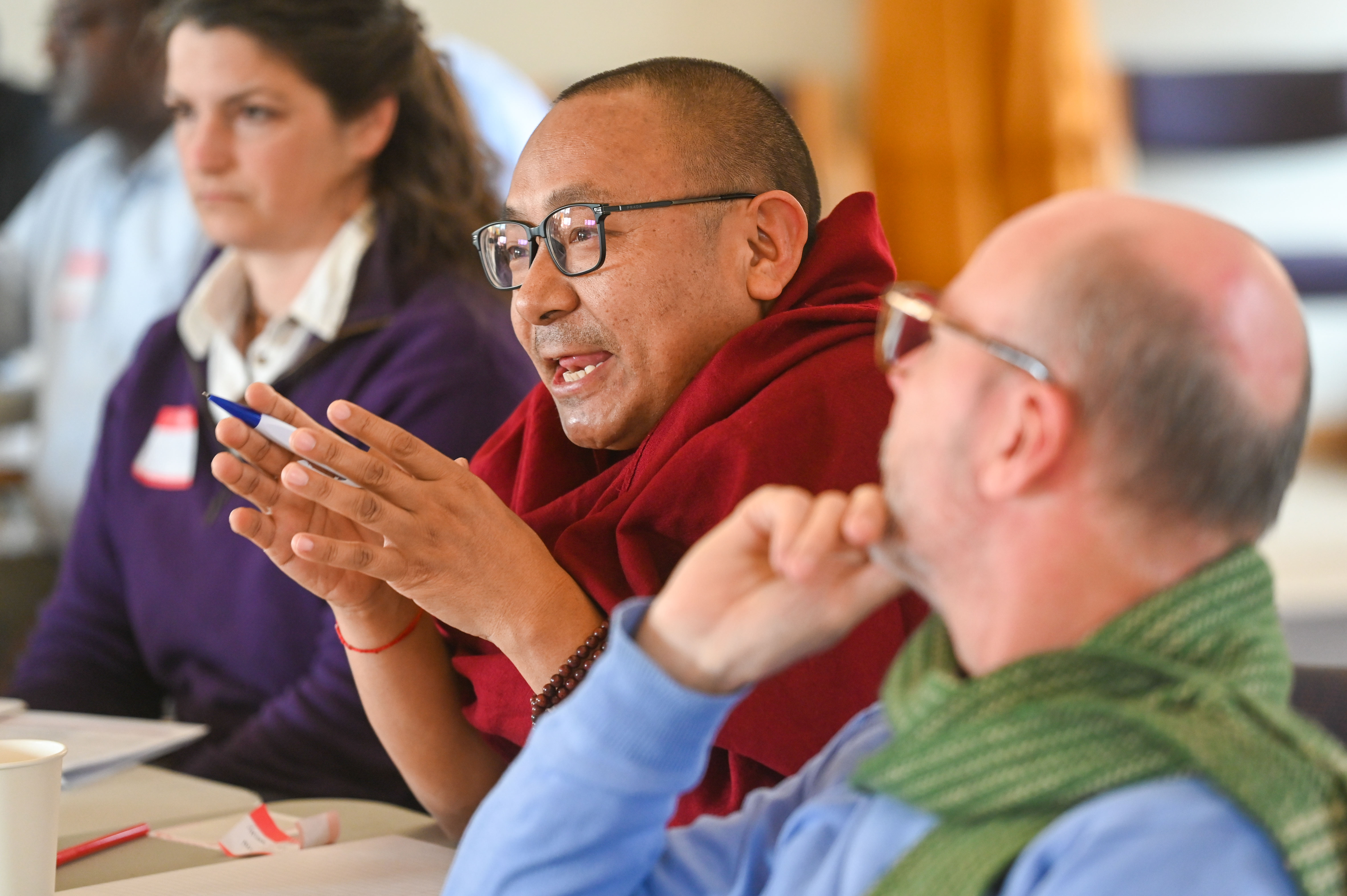
From March 23 to March 27, Loka hosted a diverse interfaith convening, bringing together over 35 faith leaders representing a wide breadth of global religious traditions. Representing 12 states and 8 countries, the participants hailed from Argentina, Canada, India, Indonesia, Kenya, Nepal, Thailand, and the US. This convening, which took place at Holy Wisdom Monastery in Wisconsin, was the culmination to the free 10-week online Preparing Religious Environmental Plans that provided 40+ registered faith leaders with hands-on training on how to design and manage environmental and climate projects that are specific to their geographies, communities, and faith traditions.
We were honored to have a distinguished faculty of speakers and trainers! A big thank you to all of these folks who supported faith leaders manifest their project ideas into actionable plans.
|
|
(Credit - Ben Jones, Boldland Creative)
|
Our convening started off in a good way, honoring the Indigenous traditions of Wisconsin. Professor Brian McInnes kicked off the week on Sunday night with a Nanabozho story and tobacco ceremony, in keeping with the Anishnaabe storytelling tradition. In response to the needs of our learners, Loka organized more specialized training beyond the scope of the online course – including media and communications, campaign creation, and fundraising. Trainers like Trishna Gurung who has worked on environmental communications for over 20 years workshopped individual narratives, elevator pitches, and more, with each and every participant. UW-Madison’s own Katerina (Herder) Lessard provided fundraising basics for those gathered. Our director, Dekila, emphasized the need for consistent community engagement to have successful project planning.
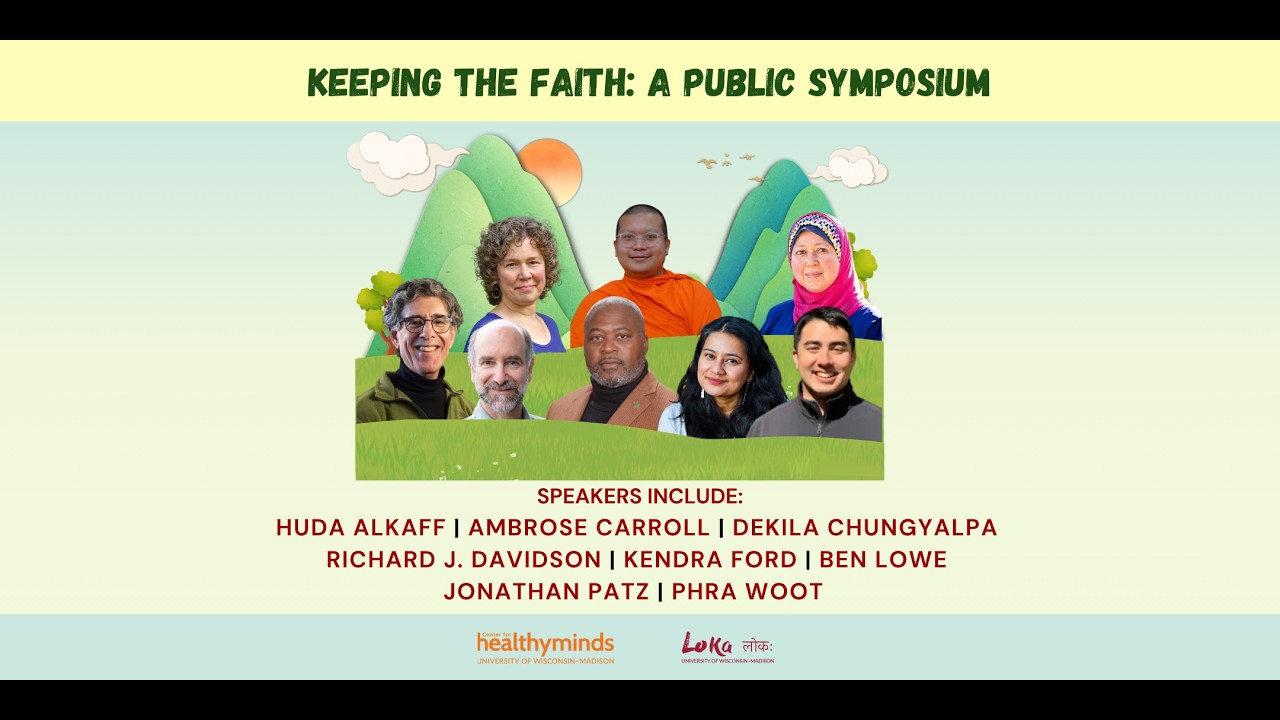
In keeping with our commitment to build bridges between religion and science on campus, Loka organized a public dialogue between faith leaders and UW–Madison scientists on March 26. Panelists included Huda Alkaff, Ambrose Carroll, Dekila Chungyalpa, Richard J. Davidson, Kendra Ford, Ben Lowe, Jonathan Patz, and Phra Woot. During this interfaith discussion–which represented the traditions of Christianity, Islam, and Buddhism–speakers expounded on how climate action is in keeping with their faith values and traditions. Watch the entirety of this public dialogue in the official event video below and on Loka's Youtube page!
|
|
|
|
It is worth noting that Loka’s interfaith approach does not conflate all faiths and instead celebrates and honors the singularity of all religions. The PREP course is organized so that participants are organized in faith-based home rooms, led by an expert who shares their faith.
|
|
(Credit - Ben Jones, Boldland Creative)
|
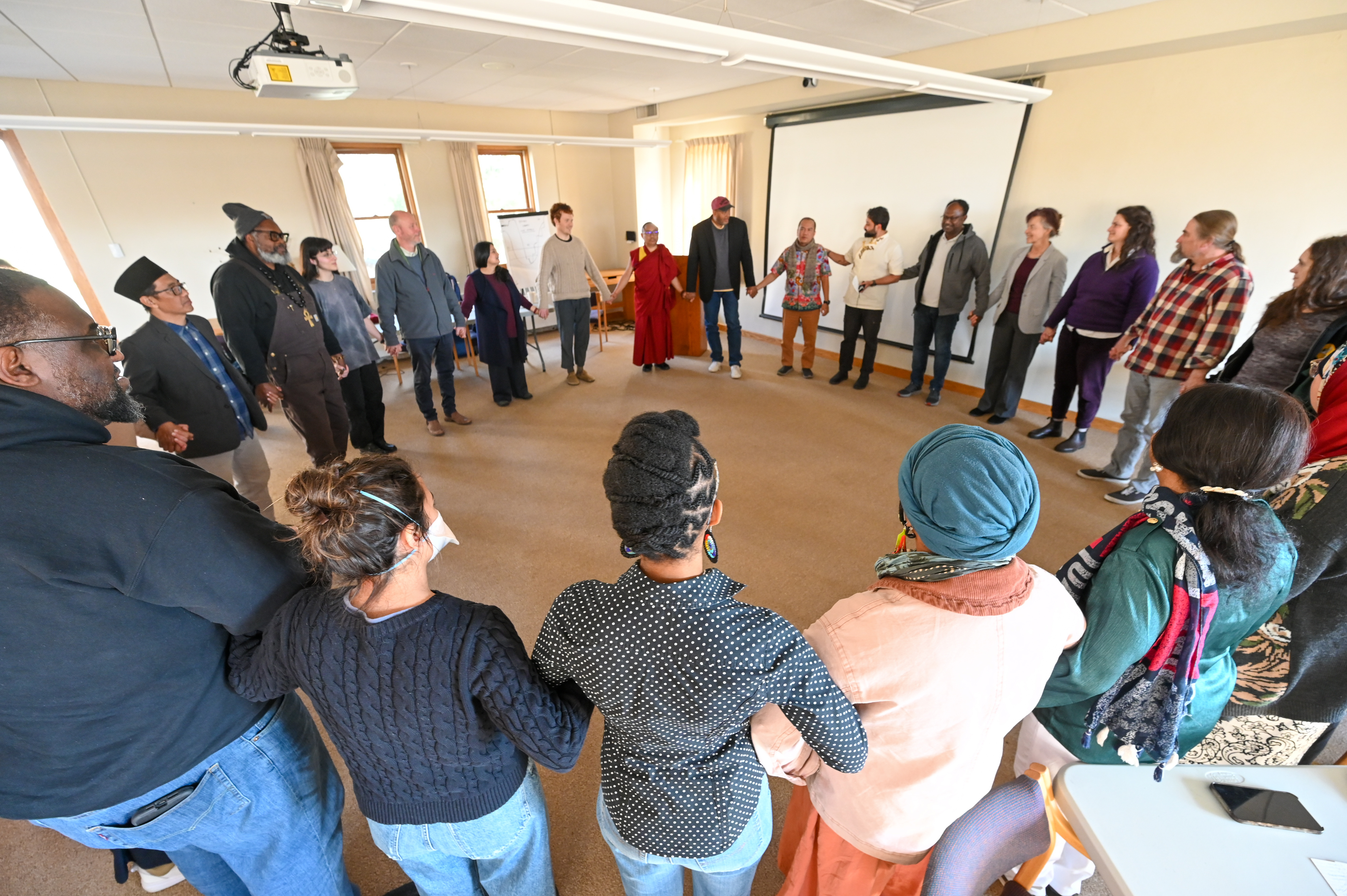
During this week, bonds were created between speakers and participants. “I’ve been with interfaith groups, but this here takes the cake. I thank the Loka Initiative and this movement for bringing us to this place to learn from one another,” said one participant. The last day closed with a circle where everyone held hands and shared one word they were feeling. Among them were gratitude, joy, appreciation, and love.
|
|
|
|
(Credit - Wonder Cabinet Productions)
|
|
|
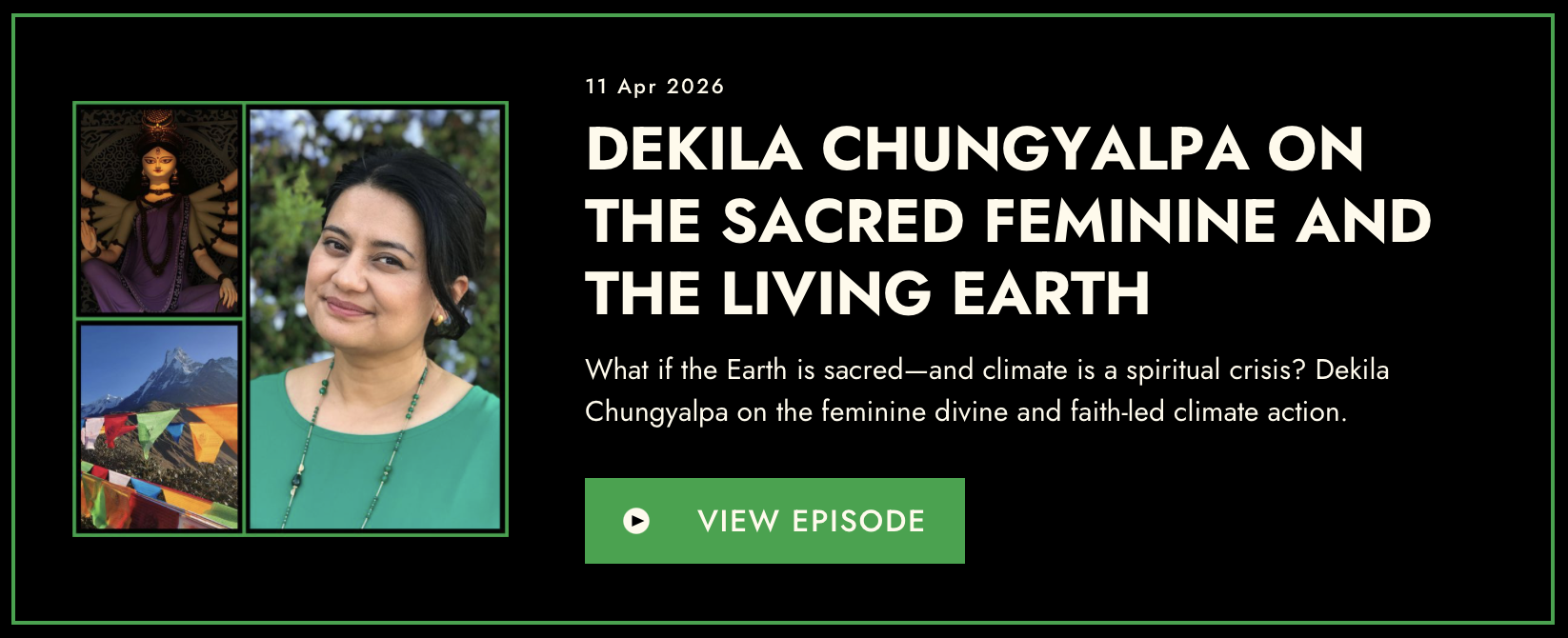
Here is a recent interview featuring Loka Initiative founder and director, Dekila, who sat down with Anne Strainchamps and Steve Paulson—creators of the Peabody Award-winning public radio show To the Best of Our Knowledge. In this episode of their new audio project, Wonder Cabinet, they discuss the intersection of ecofeminism, ancestral wisdom, and the climate crisis, drawing from Dekila’s Tibetan Buddhist roots to offer a spiritual blueprint for climate action and navigating increasing polarization in today’s world.
|
|
|
|
|
|
|
|
|
|
|
(Credit - Tricycle: The Buddhist Review)
|
|
|
Date: ONLINE April 6–27, 2026
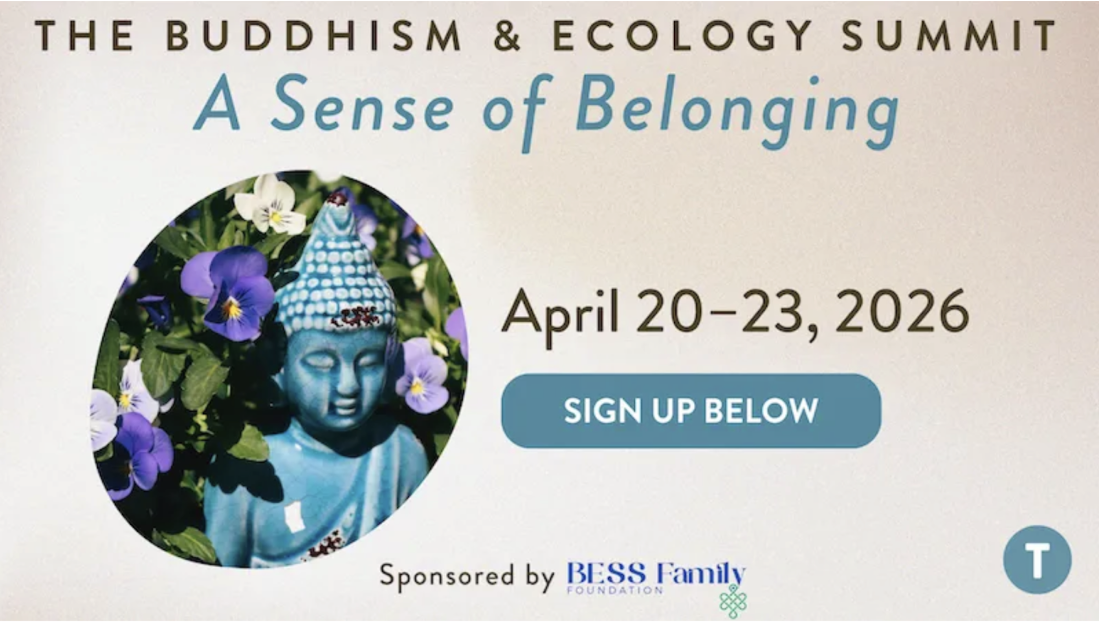
We are excited to highlight a current virtual summit from our friends at Tricycle, generously sponsored by the BESS Family Foundation and featuring several of our dear collaborators and friends—including Kaira Jewel Lingo, Yuria Celidwen, Tashi Dekyid Monet, and Santacitta Bhikkhuni. This is a donation-based event with a suggested donation of $40.
|
|
|
|
|
|
|
(Credit - Good Faith Podcast)
|
|
|
We’re thrilled to celebrate our friends at A Rocha USA and their recent partnership with Curtis Chang on the Good Faith podcast. Their new four-part series, "Christians and Climate Change," is designed to help us move past political "heat" and toward faithful action, reframing creation care as a core part of Christian discipleship—featuring our own Creation at the Crossroads collaborators, Jonathan Moo and Katharine Hayhoe!
Listen to the Four-Part Series:
|
|
|
Share Updates & Stay Connected!
|
|
|
|
|
|
Hashtags: #LokaInitiative #Loka🌎
|
|
|
|
Loka is an interdisciplinary collaboration among different programs at the University of Wisconsin–Madison. It is housed in the Center for Healthy Minds in collaboration with:
The opinions expressed here are solely the author’s and don’t reflect the opinions or beliefs of
UW-Madison, the Center for Healthy Minds or their affiliates.
|
|
|
|
|