
|
Dear friend,
Tonight, all of us beings will be illuminated by the great Sturgeon Moon. This August moon is named so by the Anishinaabe because the sturgeon, which usually stays close to the bottom of the lakes, surfaces right up to the top during this time, providing food for everyone. Sturgeon is the oldest native fish species in the Great Lakes and has appeared in fossil records more than 200 million years ago. More than just a food resource, the sturgeon are important to Native peoples of the Great Lakes and are featured in their traditional stories, games, feasts, ceremonies and spiritual traditions. One of our esteemed Sacred Wisdom Sacred Earth culture keepers, Mark Denning, is a founding member of Sturgeon Protectors, which continue to protect and reintroduce sturgeon to Wisconsin’s waterways.
Wisconsin’s waterways have many threats that impact their wellbeing, not least of which is overextraction and pollution caused by artificial intelligence data centers. Currently, Wisconsin has over 50 data centers, with many more planned. We at Loka are encouraged by the legal group Midwest Environmental Advocates, which has filed a lawsuit on behalf of the Sierra Club, demanding that an environmental evaluation be carried out before the Wisconsin Department of Natural Resources can issue a permit for data centers, especially in light of how they accelerate climate change. For those of us who experienced unprecedented air pollution levels this summer due to wildfire smoke from northern Minnesota and Canada, damaging hailstorms and thunderstorms, and a total of 46 tornadoes so far in this year, we know how climate change is affecting our day-to-day lives. Wisconsin is not alone. Right now, there are life-threatening heatwaves in Europe, a catastrophic flood on the Tibet-Nepal border, drought in Puerto Rico, a hurricane in Hawaii, and an electricity blackout in Gary, Indiana. No matter our location, we now know the effects of global warming will follow us home. We understand yes, the facts are scary but we are brave. And for us, our courage begins with our community.
|
|
|

|
Dekila Chungyalpa
Director, the Loka Initiative at the Center for Healthy Minds
University of Wisconsin–Madison
|
|
|
|
|
|
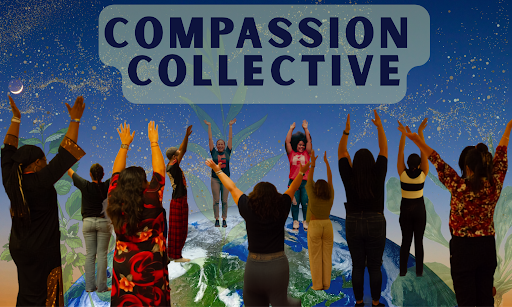
Recognizing the disproportionate harm faced by marginalized populations today, as well as similar yet distinct impacts for Madison community leaders and organizers working on behalf of these communities, the Center for Healthy Minds; the Loka Initiative; the Palreddy-Lowe Learning Lab; and YWCA-Madison have combined our strengths to launch the Compassion Collective, a flagship project supporting the mental and emotional wellbeing and resilience of people leading change for justice in the Madison Community. Following the successful pilot of this concept in 2025, we are excited to announce that the Compassion Collective officially launched this week with our first annual cohort of Madison leaders!
|
|
The Collective offers monthly guided compassion and care sessions designed to nourish both individual and collective wellbeing. Each session offers a shared meal and connection with participants, inner resilience practices that range from meditation, somatic practices, and Nature-based contemplation, facilitated reflection, dialogue, storytelling, and rituals so that participants deepen their connection with themselves, the collective, and the planet. As we cultivate our personal and collective resilience practices—we hope that this can also be a place for the kind of shared movement-building that can bring these healing practices into the realm of community, organizational, and systems change.
Our focus is on healing the healers and strengthening resilience among those most impacted by systemic inequities, as well as the leaders, organizers, and caregivers who serve the Madison community. We believe that caring for oneself is essential to sustaining the care we offer others, and that when our inner resources are replenished, we are better able to meet the needs of our communities with clarity, compassion, and resilience.
|
|
|
|
|
|
|
|
|
|
|
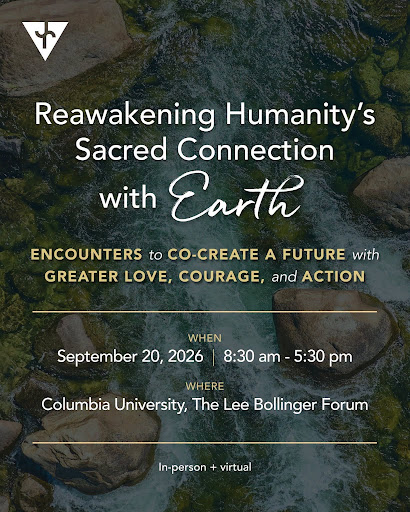
Fetzer Presents: Reawakening Humanity’s Sacred Connection with Earth
|
On September 20, 2026, The Fetzer Institute Environmental Collaborative, which Loka is proud to be part of, will be hosting an event called Reawakening Humanity’s Sacred Connection with Earth! This forum will kick off Climate Week in New York City, and we are excited that speakers include Christiana Figueres, Steven Harris, Oren Lyons, Melissa K. Nelson, Fawn Sharp, Mary Evelyn Tucker, as well as our director, Dekila Chungyalpa, and so many more!
This is an invitation to honor our sacred inner and outer relationships, boldly addressing the climate crisis through spiritual and Indigenous worldviews.
You can register for the hybrid event for free here.
|
|
|
|
|
|

|
Climate & Care Town Hall with Climate Critical
|
If you are at Climate Week this year, our friends at Climate Critical will be hosting several closing sessions on Friday, September 25th, including embodied grounding exercises and this townhall! The forefronting of care is crucial for the sustainability of the climate movement.
Register free for the town hall here!
|
|
|
|
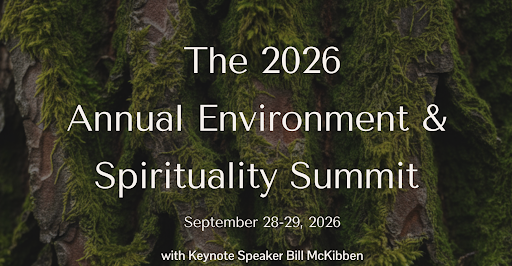
Annual Environment & Spirituality Summit with Faith in Place
|
The following week, from September 28-29, Faith in Place, a valued partner of Loka’s, will be hosting their Annual Environment & Spirituality Summit. This year’s theme is Grounded Resistance and features speakers like Valerie Kaur, Bill McKibben, and Mary Evelyn Tucker!
You can reserve your spot for free here!
|
|
|
|
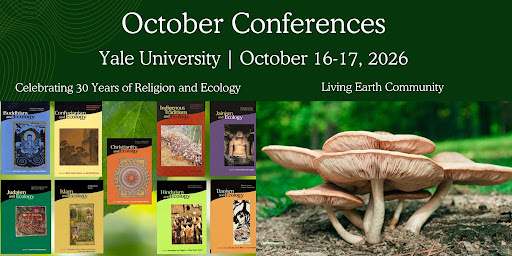
Celebrating 30 Years of Religion and Ecology at Yale University!
|
Less than a month later, on October 16, Yale University will be celebrating 30 years of Mary Evelyn Tucker and John Grim’s work, which established the academic field of religion and ecology as it exists today! We are excited for this major milestone and Dekila will be there to celebrate with her beloved mentors and friends.
|
|
|
Share Updates & Stay Connected!
|
|
|
|
Hashtags: #LokaInitiative #Loka🌎
|
|
|
|
Loka is an interdisciplinary collaboration among different programs at the University of Wisconsin–Madison. It is housed in the Center for Healthy Minds in collaboration with:
The opinions expressed here are solely the author’s and don’t reflect the opinions or beliefs of
UW-Madison, the Center for Healthy Minds or their affiliates.
|
|
|
|
|