|
|
|
رمضان مبارك and ལོ་གསར་བཀྲ་ཤིས་བདེ་ལེགས།
Ramadan Mubarak and Happy Losar!
Losar is the Tibetan New Year, and we Tibetan Buddhists celebrate it by bidding farewell to all the negative aspects of the last year and ushering in the auspicious aspects of the new year into our lives. This year, we welcome the Year of the Fire Horse, which is known to be a catalyst for societal shifts.
Since the Horse represents movement, and Fire represents transformation, these years have, no surprise, been frequently major marking points in history. Due to this potential for upheaval, they can also be considered years when it is more important than ever for us to root deep in our own integrity, plant peace in our community, show up in compassion for those who are suffering, and responsibly wield the fire. Yes, we can guide the Horse.
As part of my Losar auspicious activity for the Year of the Fire Horse, I have decided to create a personal blog that allows me to respect the moment where we find ourselves with an open, genuine, and honest heart. This blog will capture my personal reflections, aspirations, and thoughts and does not reflect the views of my employers or place of employment. I invite you to check it out and come adventure with me at Tak Mo Burning Bright!
|
|
|

|
Dekila Chungyalpa
Director, the Loka Initiative at the Center for Healthy Minds
University of Wisconsin–Madison
|
|
|
|
LOKA INITIATIVE NEWS AND UPDATES
|
|
|
A note of gratitude: We are thrilled to be one of 30 organizations the Fetzer Institute has brought together to catalyze a spiritually grounded movement for holistic transformation as part of their newly announced $9 million initiative. We believe that Fetzer’s work to connect the worlds of Public Life, Spiritual Innovation, and the Environment is a necessary path - one that can achieve the kind of paradigm shift needed to adequately address the confluence of crises we face. And, we rejoice in being in community with Green the Church, Global Optimism, Center for Earth Ethics, Conscious Food System Alliance, The Cultural Conservancy, Native American Rights Fund, Yale Forum on Religion and Ecology, and the Resilience Project (Commonweal).
To learn more, please check out Fetzer’s statement:
|
|
|
|
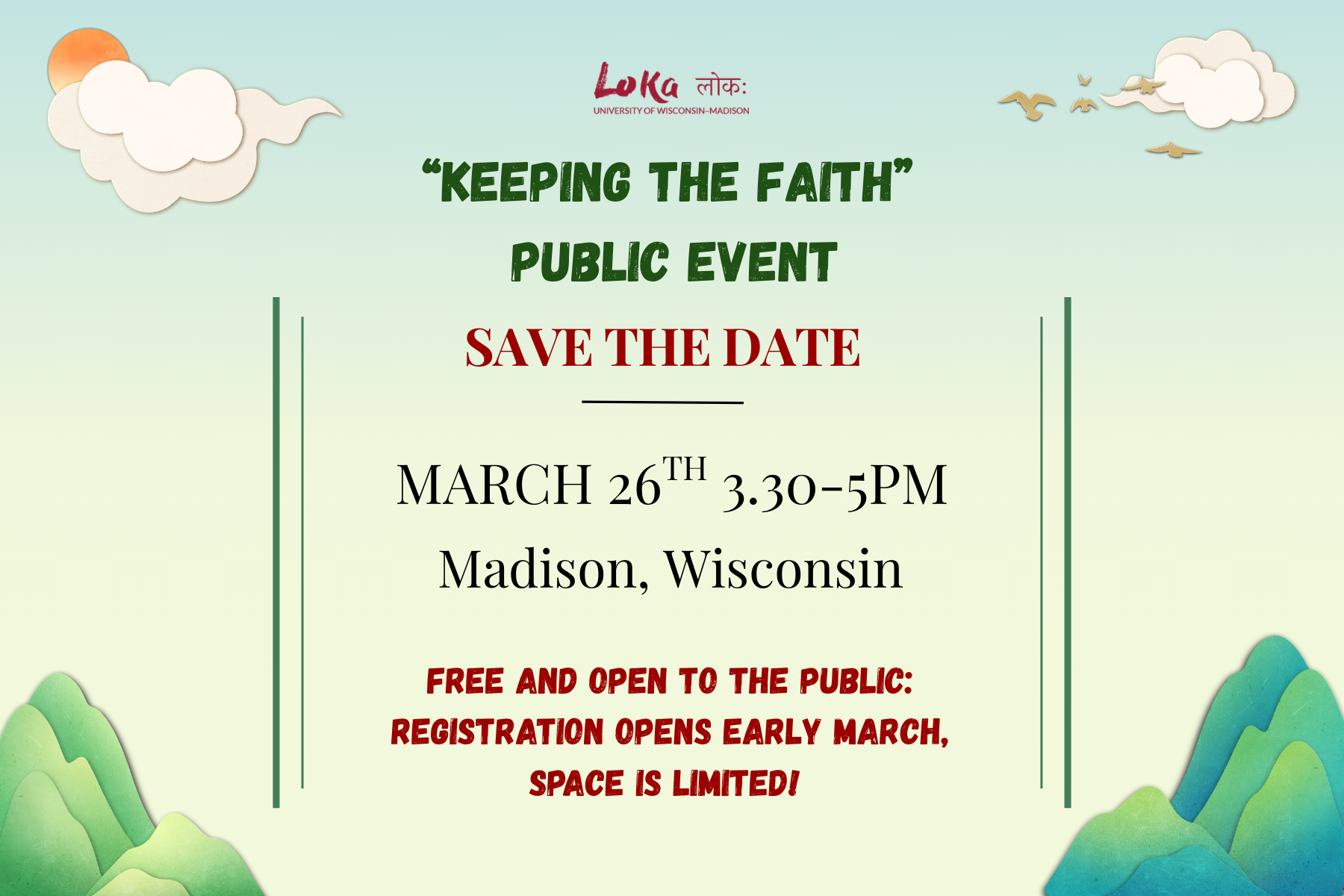
We are excited to announce the grand finale of Loka’s Preparing Religious Environmental Plans (PREP) project! On March 26, 2026 we will convene a select panel of global faith leaders for a cross-disciplinary public dialogue with UW–Madison faculty including Dr. Richard J. Davidson and Dr. Jonathan Patz. This event offers a rare opportunity to witness an exchange between world religious traditions and leading scientific perspectives, focusing on our shared responsibility to the planet.
Date: Thursday, March 26, 2026
Time: 3:30 p.m. - 5:00 p.m.
Location: Memorial Union, 800 Langdon St., Madison, WI 53706
Watch Your Inbox! We are currently finalizing the venue and itinerary. Because this is a high-profile event and space is limited, we will send a dedicated email in early March with the full itinerary and registration links.
Pro-tip: Mark your calendars now - seats are expected to fill up quickly once the registration link goes live!
|
|
|
|
|
|
|
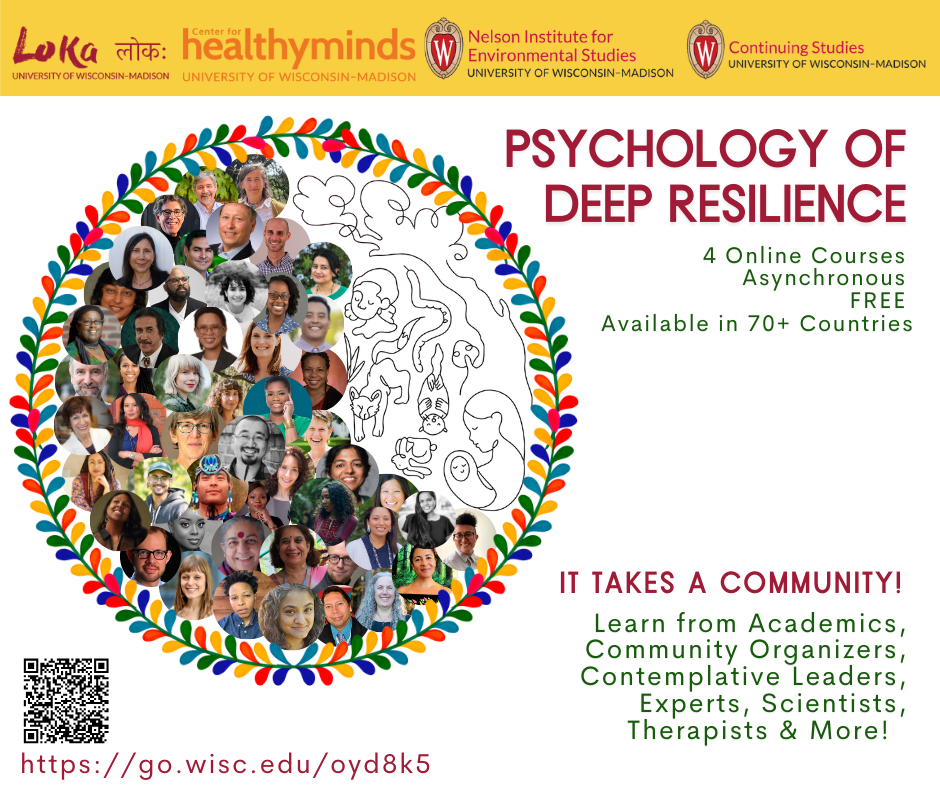
REMINDER: The updated Psychology of Deep Resilience course is now live, featuring a total of 20 contemplative exercises to help you build inner, community, and planetary resilience.
|
|
|
|
|
|
|
|
|
|
|
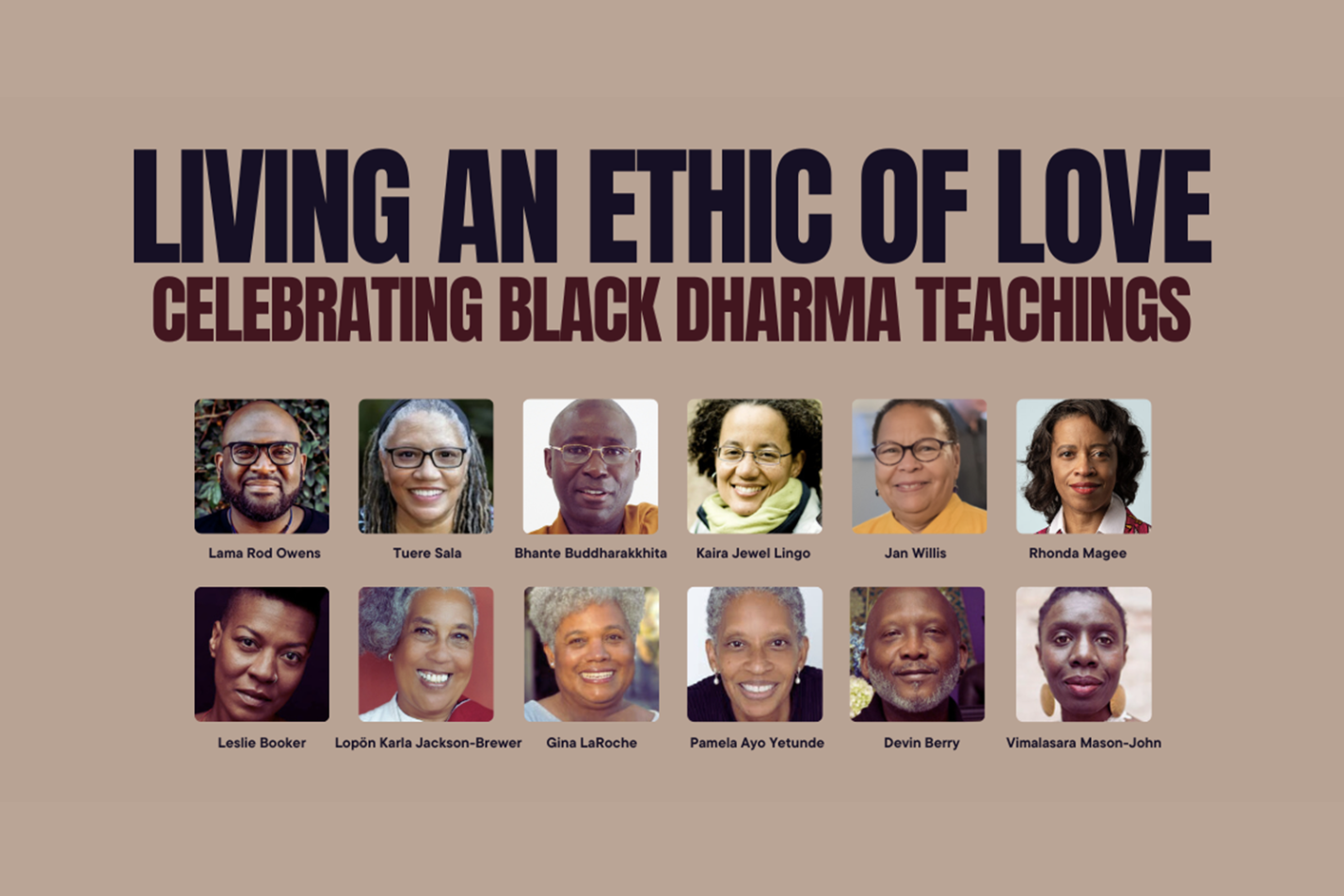
(Credit: New York Insight Meditation Center)
|
|
|
Date: ONLINE Weekdays, February 2nd – 27th, 2026
Each weekday throughout February, receive a prerecorded dharma talk via email from one of 20+ renowned Black teachers offering daily guidance on resilience, joy, and the profound truth of interdependence. All talks remain accessible for at least one year, allowing you to engage at your own pace! This offering is open to people of all backgrounds and experience levels.
This is a PAID offering through the New York Insight Meditation Center; a subsidized option is available.
|
|
|
|
|
|
Share Updates & Stay Connected!
|
|
|
|
|
|
Hashtags: #LokaInitiative #Loka🌎
|
|
|
|
Loka is an interdisciplinary collaboration among different programs at the University of Wisconsin–Madison. It is housed in the Center for Healthy Minds in collaboration with:
The opinions expressed here are solely the author’s and don’t reflect the opinions or beliefs of
UW-Madison, the Center for Healthy Minds or their affiliates.
|
|
|
|
|