|
|
GREAT LAKES RURAL OPIOID TECHNICAL ASSISTANCE REGIONAL CENTER
|
|
|
|
Great Lakes ROTA-RC Reporter September 2024
|
|
|
September is Recovery Month
|
|
|
|

|
National Recovery Month (Recovery Month), which started in 1989, is a national observance held every September to promote and support new evidence-based treatment and recovery practices, the nation’s strong and proud recovery community, and the dedication of service providers and communities who make recovery in all its forms possible.
SAMHSA aims to increase public awareness surrounding mental health and addiction recovery. In the years since Recovery Month launched, SAMHSA has timed announcements of initiatives and grant funding during Recovery Month, while collaborating with private and public entities to celebrate individuals during their long-term recoveries.
|
|
|

|
|
|
|
Related Resource: Reimagining Recovery Toolkits
A Community Systems Approach to Addressing Substance Use
|
|
|
|
The Great Lakes ROTA-RC offered this three-part webinar series to explore the structural, social, and root determinants of health, limitations of the brain disease model of addiction, and how criminalizing and punitive approaches to substance use are both normalized and exacerbating the overdose crisis. Presented by our partners at the Michigan State University Extension, Michigan Substance Use, Prevention, Education and Recovery (MiSUPER) each session included a toolkit summarizing key lessons and resources.
|
|
|
|
Click on the thumbnails to view and download the toolkits from each session:
|
|
|
|
ROTA-RC Hosted Events Calendar-At-A-Glance
|
|
|
|
|
|
|
Presented by Sheila P. Vakharia PhD, MSW, Deputy Director, Department of Research and Academic Engagement, Drug Policy Alliance
|
The Harm Reduction Gap: Implications for Public Health and Medical Providers
Thursday, September 5, 2024
Time: 12:00–1:30 PM CT/ 1:00–2:30 PM ET
In this session, participants will explore the "harm reduction gap," which exists between traditional "just say no" drug prevention and abstinence-only treatment. Join this session to learn about harm reduction strategies aimed at keeping people who use substances safe, thereby broadening the continuum of care to ensure community safety.
|
|
|
|
|
|
Related Resources on Harm Reduction
|
|
|
|
Drug Policy Alliance Fact Sheets
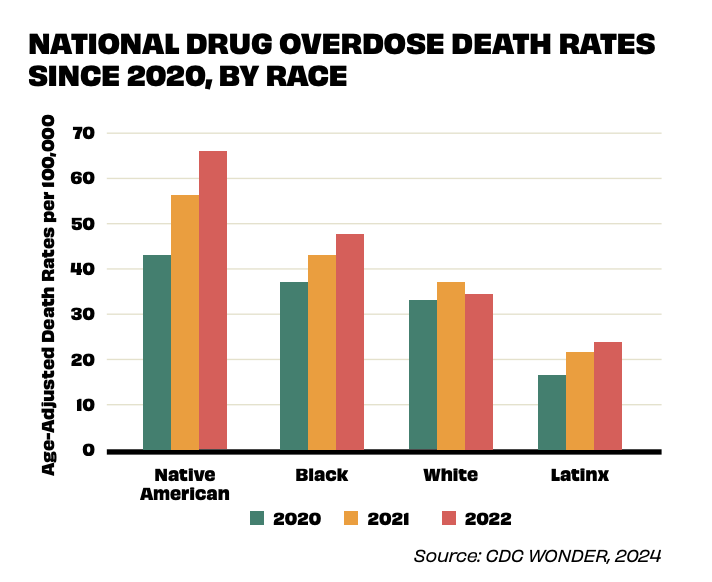
New fact sheets from the DPA highlight the impact of the opioid crisis on historically marginalized communities. Click the links below to view and download the fact sheets.
|
|
|
|
|
|
GL ROTA-RC Virtual Recovery Education Highlights
|
|
|
|
|
|
Missed a training? No worries! Visit our "Events Past, But Not Forgotten" page to catch up 24/7. Our expert-led past sessions are just a click away so you can access on your schedule.
For your convenience, we've curated six Recovery Month-related trainings below.
Click on the thumbnail images to view the webinar recordings on YouTube.
To view presentation slides and related toolkit, scroll to the event title on
|
|
|
|
|
|
How to Be a Recovery Ally
This presentation discusses SUD, common misperceptions, person first language, how to support someone seeking or already in recovery, and how to support employees with SUD in the workplace.
|
|
|
|
The Role of Forgiveness in Recovery
Presenter Tim Markle is a speaker and contributing writer for the International Forgiveness Institute.
|
|
|
|
Recovery Oriented Systems of Care
In this session, learn how Recovery Oriented Systems of Care (ROSC) are the recovery field, and how systems can work to coordinate support for people seeking multiple pathways to recovery.
|
|
|
|
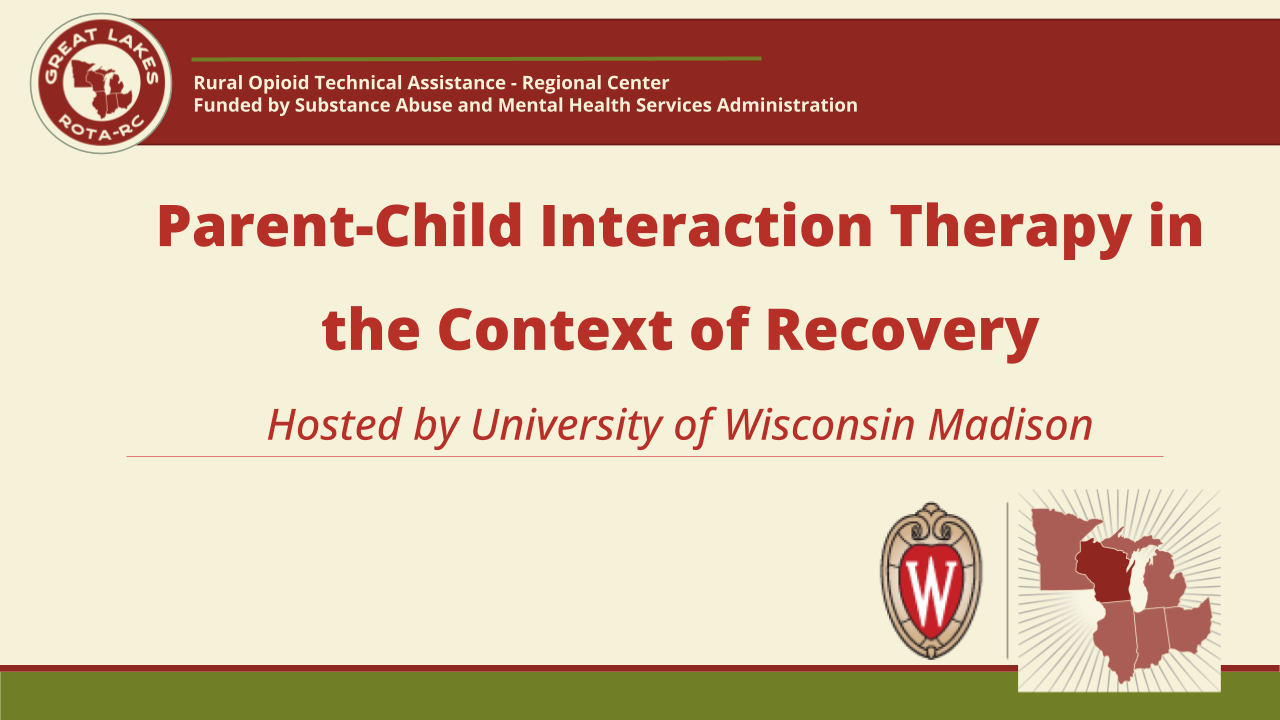
Parent-Child Interaction Therapy in the Context of Recovery
Parent-Child Interaction Therapy works directly with parents and their young children to help parents strengthen their bonds and communication with their children.
|
|
|
|
|
|
Recovery Projects Programs, and Services
Across the Great Lakes States
|
|
|
|
|
|
Illinois
Illinois Department of Human Services/ Division of Substance Use Prevention and Recovery seeks to develop a recovery-oriented system of care (ROSC) to ensure that an appropriate mix of substance use disorder services and recovery supports for youth, adults and families is available and accessible throughout the state.
|
|
|
|
Indiana
Indiana Recovery Network (IRN) is Indiana’s Recovery Hub, and aims to bridge gaps in services and engagement throughout the state to ensure that recovery support and services are accessible to all individuals.
|
|
|
|
Michigan State University
MiSUPER is a collaborative project that combines education with training events to increase awareness of opioid use disorder issues in communities, treatment options, and support for those in recovery.
|
|
|
|
Ohio
In 2017, a team led by the Appalachian Rural Health Institute (ARHI) at Ohio University began the Ohio Rural Health Improvement Process. Funded by grants from the Ohio Department of Health’s State Office of Rural Health, the National Rural Health Association, and several local organizations, the objective of this project was to develop a plan for addressing rural health in Ohio. Out of this project, the Ohio Rural Health Association (ORHA) was formed. ORHA and partners published the Ohio Rural Health Improvement Plan in June 2021.
|
|
|
|
Wisconsin
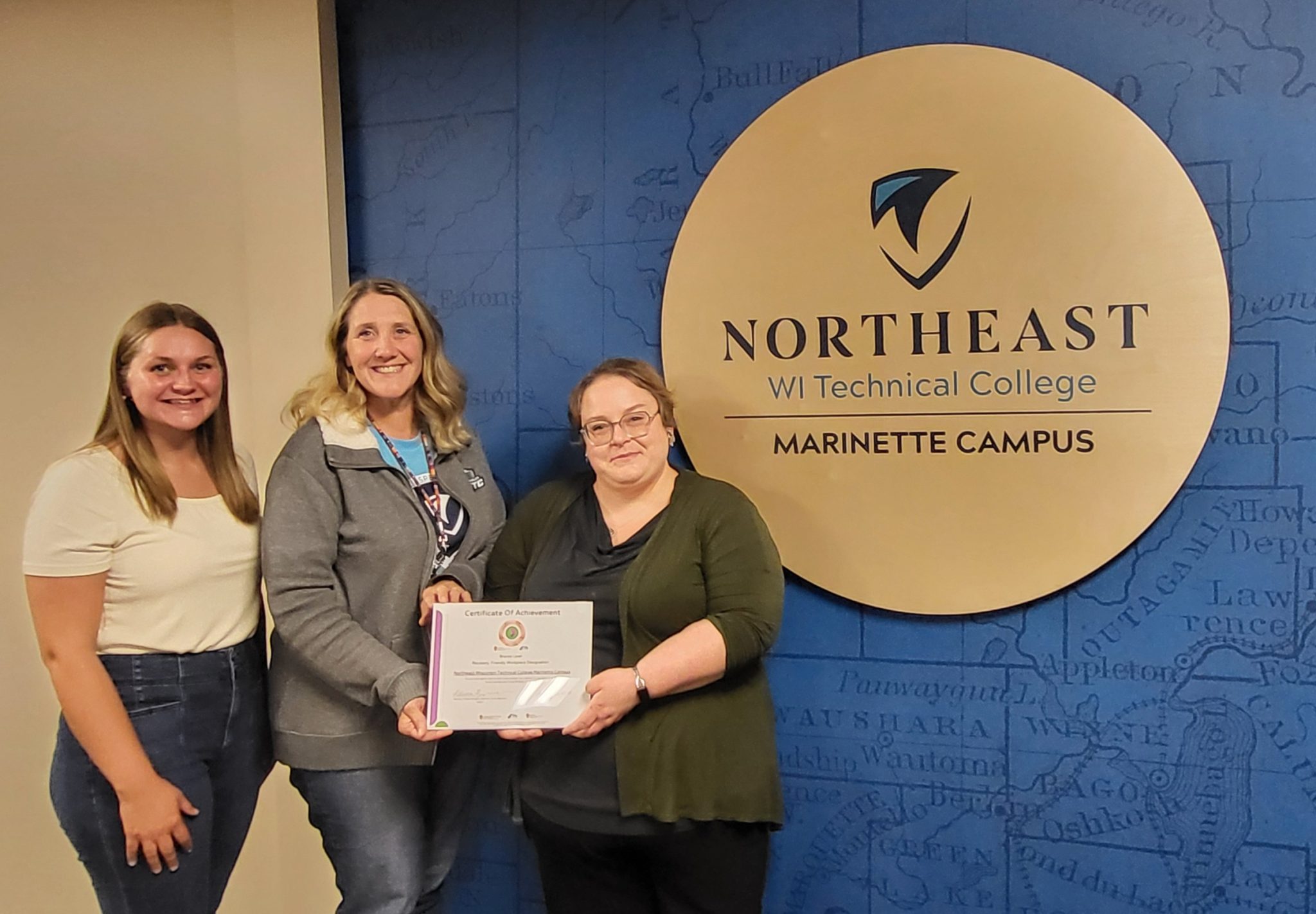
Everyday, individuals with substance use disorders and in recovery face challenges to maintain health and well-being. Community connections, including access to stable jobs, steady paychecks, and supportive workplaces help sustain recovery. Recovery Friendly Workplaces (RFW) in Marinette County is an initiative for local employers to better understand policies and practices that can help make a work environment supportive. RFW offers evidence-based information for employers who want to make foundational changes to the way they hire, engage with and support employees living with or seeking recovery from substance abuse.
|
|
|
|
|
Left to right – Marinette Extension Educator Danielle Lemke; NWTC Marinette Dean Cindy Bailey; Bridges to Recovery Peer Coach Beka Bussineau
|
Recovery Friendly Workplaces
There are an estimated 23 million Americans in recovery who are not only living healthy lifestyles but are also making positive contributions to society. Community connections, including access to stable jobs, steady paychecks, and supportive workplaces help sustain recovery are key parts of recovery capital and components of recovery-oriented systems of care.
The Recovery Friendly Workplaces Marinette project is helping workplaces hire and retain people in recovery.
|
|
|
|
|
|
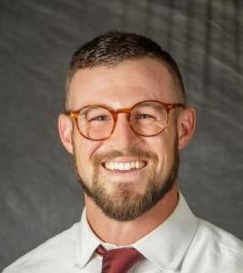
Ask the Expert: Dr. Alex Elswick
|
|
|
|
"September is National Recovery Month, which is dedicated to reducing addiction-related stigma, to honoring those living in recovery and their families, and to promoting recovery from substance use disorder. I’m a person in recovery and I wasn’t always proud of it.There was a time when I hid my recovery status like a scarlet letter, tucking it away never to be seen.
Today, I am grateful to say that so much has changed. I don’t live in silence, and I don’t live in shame, anymore. I stand up and I recover out loud. Happy (Grateful) Recovery Month!"
|
|
|
|
To view recovery-focused presentations that Dr. Elswick has done for the Great Lakes ROTA-RC, click on the thumbnail images below:
|
|
|
|
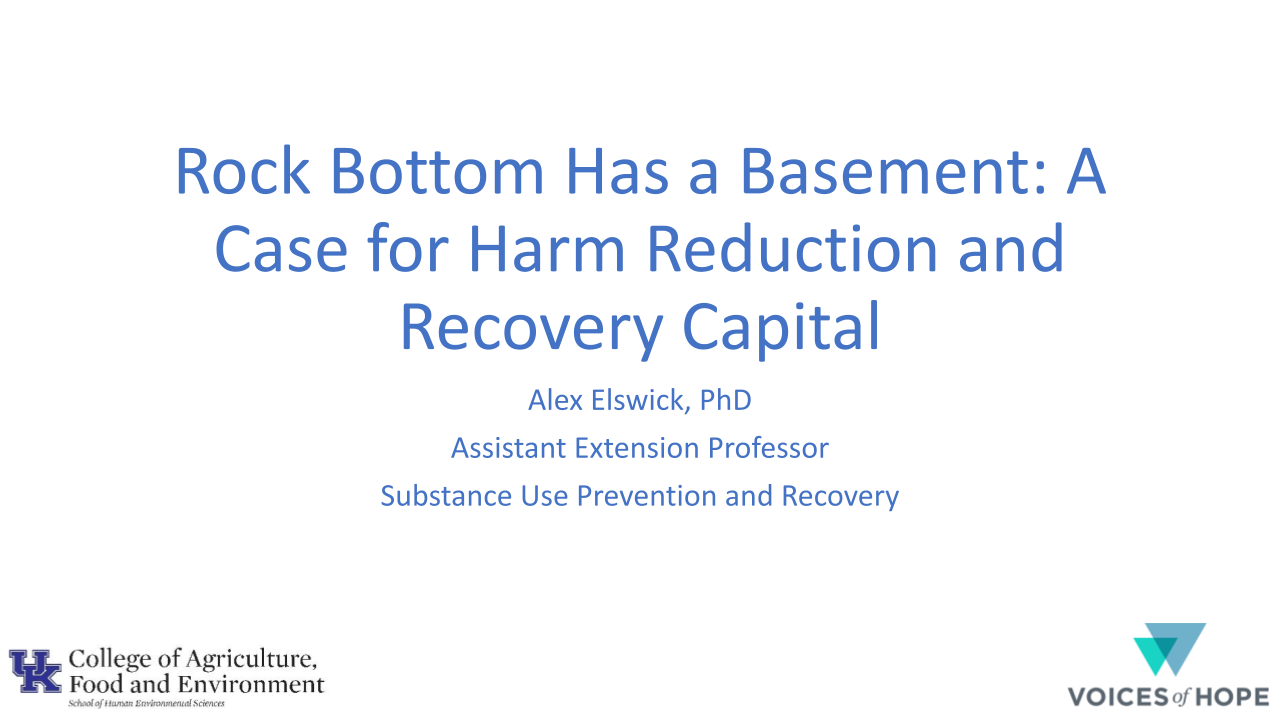
Rock Bottom Has a Basement: A Case for Harm Reduction & Recovery
This presentation, Dr. Elswick makes the case for a more humane, sensible, and effective approach to addressing SUD in our communities.
|
|
|
|
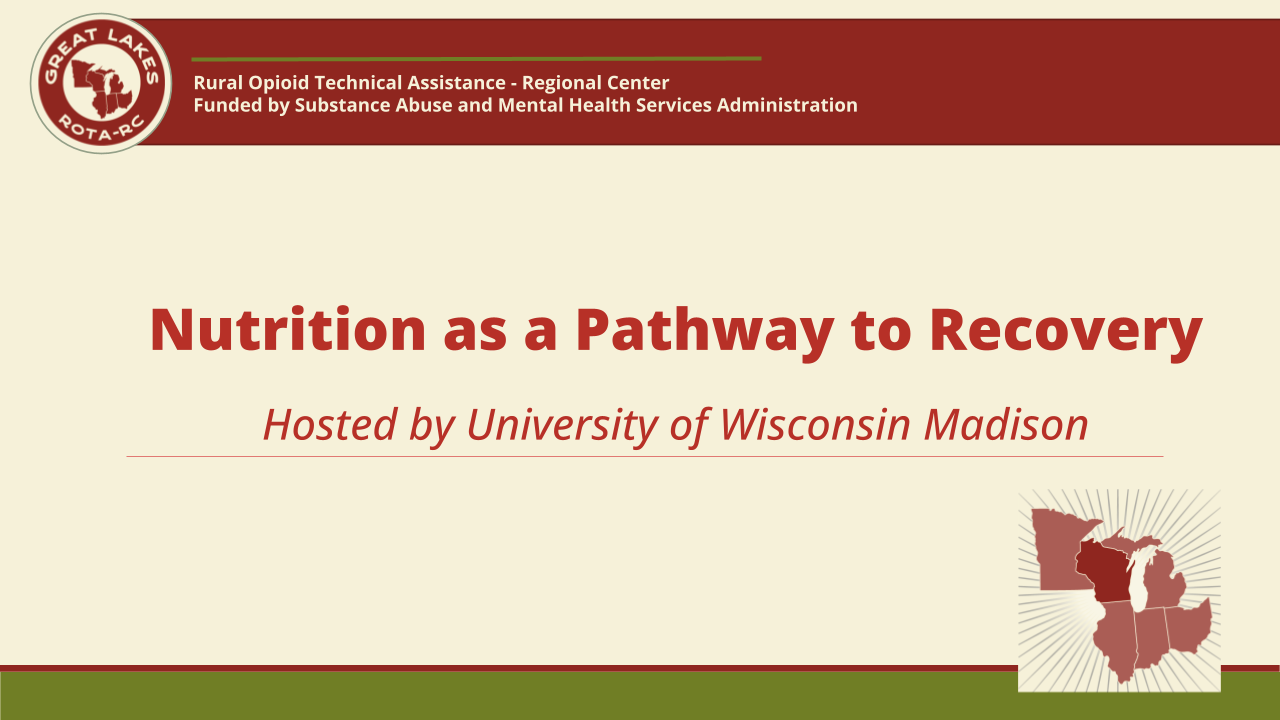
Nutrition as a Pathway to Recovery
This workshop provides participants with a comprehensive understanding of the role of nutrition in substance use recovery.
|
|
|
|
|
|
Thank you for reading the Great Lakes ROTA-RC Reporter!
Questions, suggestions, or story ideas?
Contact Amanda Coorough:
|
|
|
|
The Great Lakes Rural Opioid Technical Assistance Regional Center (ROTA-RC) is funded by SAMHSA to serve rural areas in Il, IN, MI, MN, OH, and WI. The University of Wisconsin-Madison Extension leads ROTA-RC in partnership with the University of Illinois-Extension, Purdue Extension, Michigan State University Extension, University of Minnesota Extension, and Ohio State University Extension. Learn more at our website, greatlakesrota.extension.wisc.edu
|
An EEO/AA employer, University of Wisconsin-Madison Division of Extension provides equal opportunities in employment and programming, including Title VI, Title IX, the Americans with Disabilities Act (ADA) and Section 504 of the Rehabilitation Act requirements. La Universidad de Wisconsin-Extensión, un empleador con igualdad de oportunidades y acción afirmativa (EEO/AA), proporciona igualdad de oportunidades en empleo y programas, incluyendo los requisitos del Titulo VI, Título IX, y de la Ley para Americanos con Discapacidades (ADA).
|
|
|
|
|