Alumni tailgate highlights: SVMAA awards, new courtyard, sculpture dedication
|
|
|
|
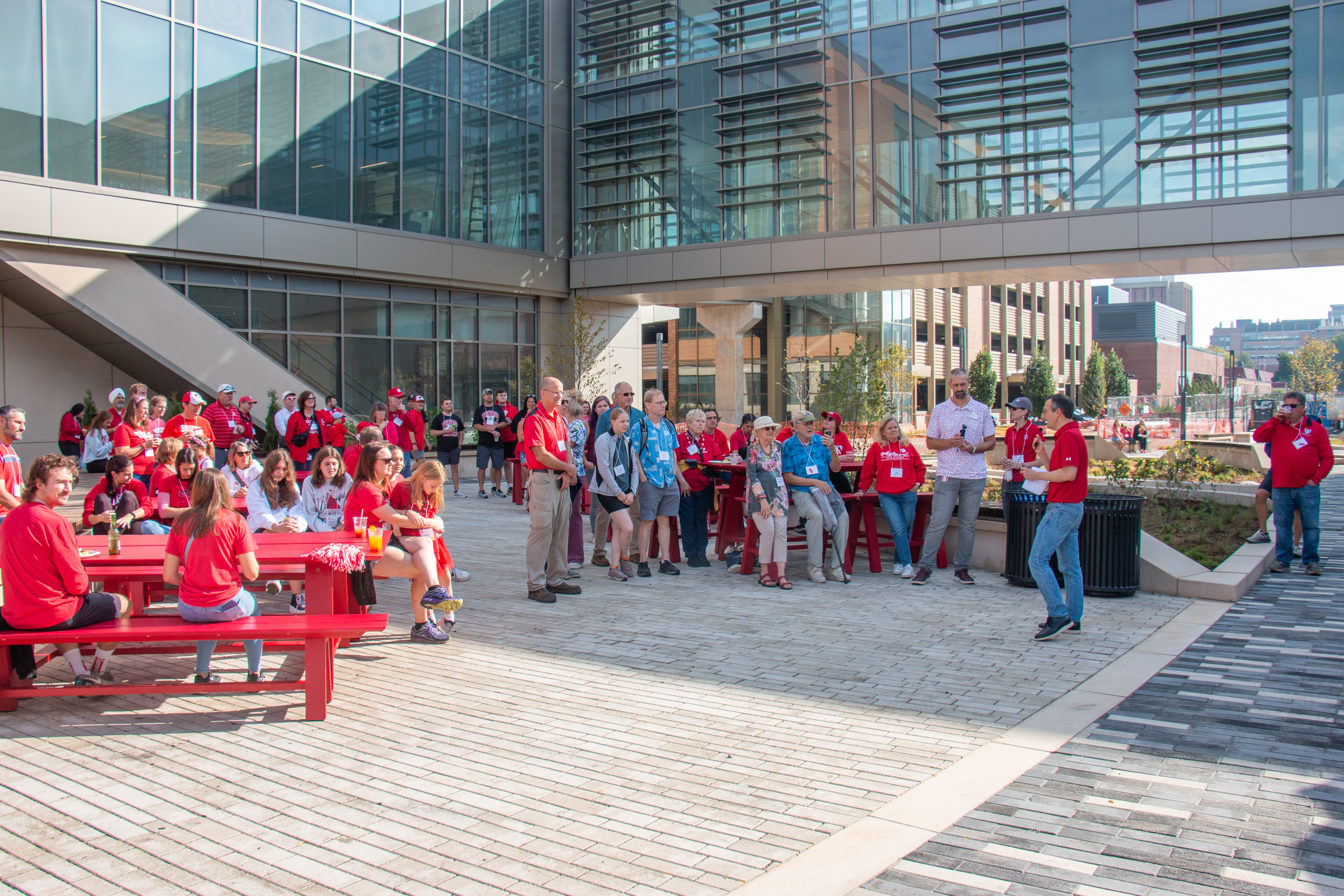
Many thanks to the alumni, students, faculty, and staff who joined us for our annual Badger football tailgate on Sept. 20!
The first event held in the new outdoor courtyard that connects SVM North and South, the event marks the completion of a significant phase of the school’s recent expansion. Our modernized and expanded facilities support our work to create the future of veterinary medicine and reflect our commitment to innovative education, groundbreaking research, and fostering health and wellbeing – for communities across Wisconsin and around the world.
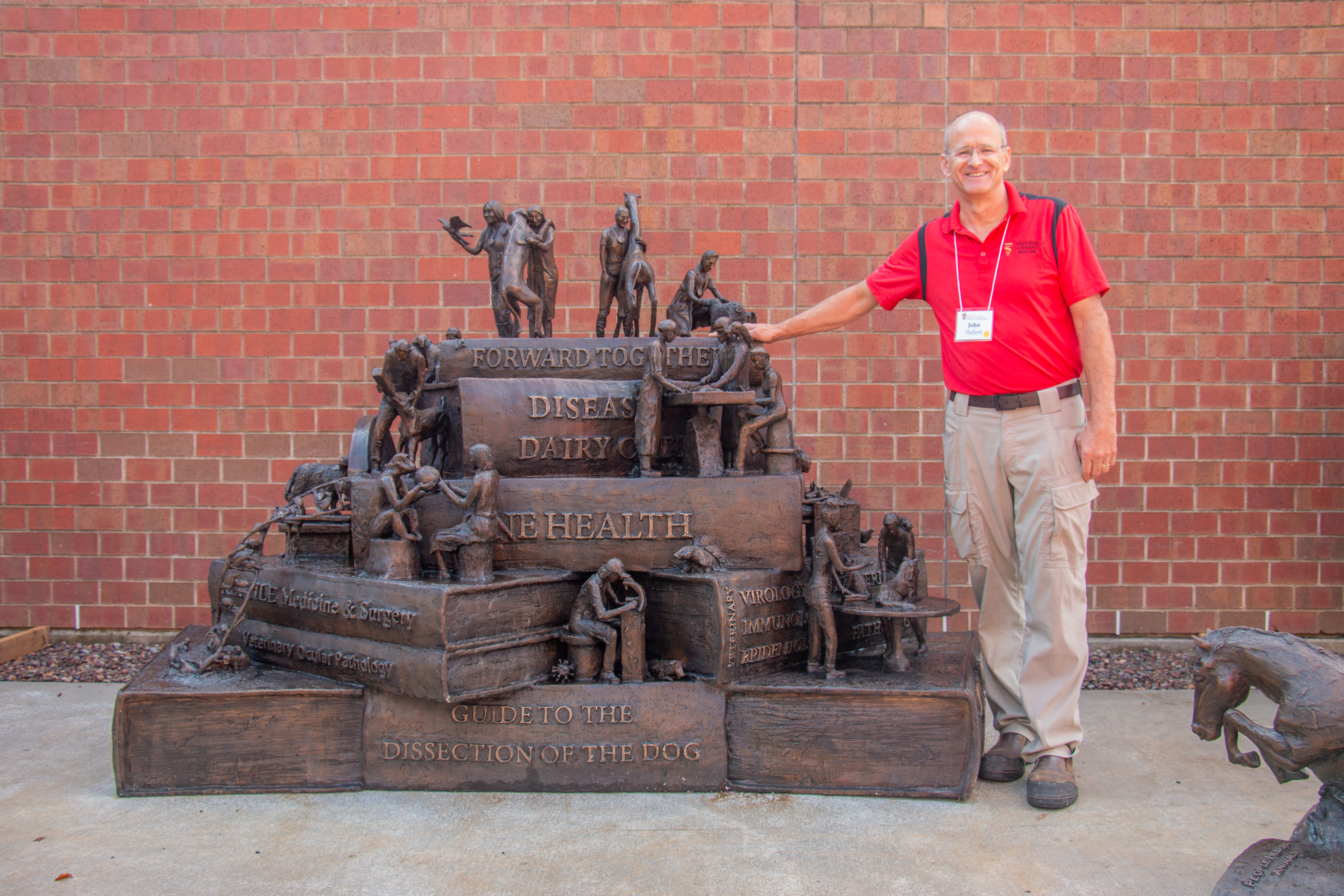
During the tailgate, we celebrated the unveiling of Forward Together, a 3,000-pound bronze sculpture created by alumnus John Hallett (DVM ’90). The sculpture honors the journey of veterinary medical students and will be a permanent fixture in the courtyard.
In addition, the School of Veterinary Medicine Alumni Association (SVMAA) recognized two outstanding graduates with the 2025 Alumni Distinguished Service Awards for their exceptional contributions to veterinary medicine, biomedical science, and the broader community.
- Dr. Kathryn Meurs, a 1990 graduate, is internationally recognized for her pioneering work in veterinary cardiology and genetics. She currently serves as dean of the North Carolina State College of Veterinary Medicine and is this year’s DVM recipient of the award.
- Dr. Mary Haak-Frendscho earned her PhD in Veterinary Science from UW in 1991 and has built a remarkable career spanning academia, biotechnology, and pharmaceutical innovation. She currently serves as president and CEO of Spotlight Therapeutics and is this year’s graduate program award recipient.
Learn more about the 2025 award recipients here.
|
|
|
|
|
|
Update from the Dean’s Office
|
|
|
|
This fall is an important one for the SVM. The school recently unveiled its new five-year strategic plan, which will help write the next chapter of this great institution. My sincere thanks to everyone who contributed to the development of this plan — the final product is more thoughtful and polished because of your hard work.
The plan harnesses the SVM’s tradition of innovative, bold thinking and our collaborative spirit. Our new initiatives will advance the SVM’s vision of creating the future of veterinary medicine.
|
|
|
|
Realizing this vision will result in a new generation of veterinarians and scientists who are ready for the challenges of tomorrow; groundbreaking discoveries that enhance animal and human health; outstanding and accessible veterinary care; and positive impacts on health and wellbeing. I look forward to continuing the dialogue about the strategic plan and much more over the coming months and years as we move forward together.
Read the full strategic plan here and a top-sheet of the plan here.
— SVM Dean Jon Levine
|
|
|
|
Coming Oct. 9-10: Fill the Hill
|
|
|
|
It’s almost Flocktober! That means the Wisconsin Foundation & Alumni Association is preparing Bascom Hill for one of UW–Madison's time-honored homecoming traditions: Fill the Hill. When you give to the School of Veterinary Medicine Fund during Fill the Hill – or any time – you support our most critical needs and protect our most important efforts to:
- make life-improving and life-saving medical advances;
- deliver an innovative, hands-on educational experience to the next generation of trusted veterinarians and scientists;
- cover expenses associated with recruiting and retaining top faculty and clinicians; and
- provide best-in-class, compassionate clinical care in our teaching hospital.
Mark your calendars for Oct. 9-10 and help us create the future of veterinary medicine!
|
|
|
|
Wanted: Dogs with suspect osteosarcoma for radiotherapy clinical trial
|
|
|
|
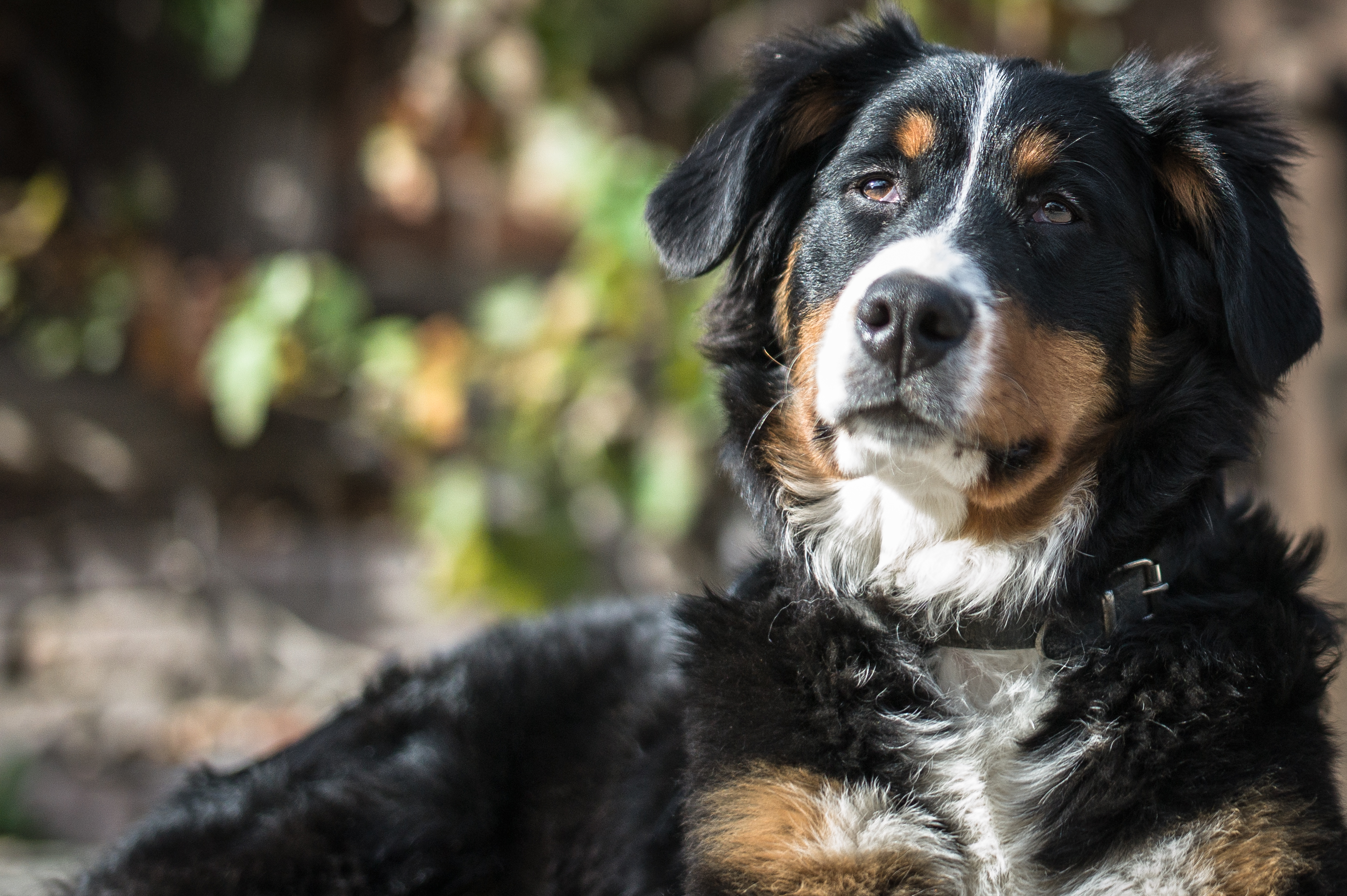
The UW Veterinary Care Clinical Studies department is seeking participants for a study investigating the advantages of a novel radiotherapy technique called FLASH. FLASH radiation is defined as ultrahigh dose rate radiation that earlier studies have shown reduces effects on non-cancerous tissues compared to normal radiation.
Any dog with suspect osteosarcoma on their leg is eligible to participate.
One treatment of radiation will be performed. Your dog will receive either FLASH radiation or conventional radiation. Pictures of the treated area will need to be sent to the clinical trial team once a week for four weeks to show any changes to the skin. One month post-radiation, amputation will be performed. The cost of radiation and the cost of amputation are covered by the study.
To learn more about this study, contact Tricia Hu (tghu@wisc.edu) or Nathaniel Van Asselt (nvanasselt@wisc.edu), or call 608-890-0422.
|
|
|
|
|
|
- Thomas Friedrich (’97 PhD’03; Department of Pathobiological Sciences) was quoted in a recent WPR story exploring the effects of the uncertain federal funding landscape on graduate programs at UW-Madison. He emphasized the critical research his PhD students are conducting to help fight viruses such as influenza, HIV, and Zika and the virus that causes COVID-19.
- Keith Poulsen (’00 DVM’04 PhD’12; Department of Medical Sciences; director, Wisconsin Diagnostic Veterinary Laboratory) spoke to WPR about preventative measures farmers and organizers are taking to prepare for fair season amid the ongoing presence of avian flu in the United States. Read the story here.
- Research by Jorge Osorio (MS’88 PhD’96; Department of Pathobiological Sciences), Mostafa Zamanian (Department of Pathobiological Sciences), Cole Knuese, Daniel Limonta, and Elsa Cárdenas-Canales was featured in recent story from Science exploring how mutual grooming among vampire bats is helping spread an innovative rabies vaccine.
- Lyric Bartholomay (PhD’04; Department of Pathobiological Sciences) joined Milwaukee’s WISN to discuss how a rainy summer has led to the recent wave of mosquitoes greeting Wisconsin residents enjoying outdoor activities.
- Kristen Bernard (MS’92 PhD’95; Department of Pathobiological Sciences) spoke with WPR about the virus causing hornlike growths in rabbits that have been spotted in northern Wisconsin and other states. The Shope virus cannot be transmitted to humans, Bernard says, but it can be spread by insects and ticks among animals.
- Alumnus Terrence Clark (DVM’87 PhD’94) was inducted into the Green Bay School District Hall of Fame as part of its inaugural class. Clark is a former member of our Board of Visitors and currently serves as president and CEO of Nexcyon Pharmaceuticals.
|
|
|
|
|
|
Sept. 30 – Oct. 3
Alliant Energy Center, Coliseum booth MC41TT
Oct. 17, 3:30 p.m. to 6 p.m.
SVM South, second floor lobby
|
|
|
|
|