|
|
|
|

|
|
|

|
|
|
Pet Week 2025: Give, Receive, Give Back | May 4-10
|

|
Celebrate a lifetime of unconditional love during Pet Week May 4-10. Whether it is the wag of a tail, a soft purr, or just being there when we need them most, pets give us their everything. Pet Week is our chance to give back.
Make a gift in honor of a pet you love. Your support helps the UW School of Veterinary Medicine provide life-saving care, advance clinical research, and train the next generation of veterinary professionals.
|
|
|
|
|
UW School of Veterinary Medicine Ranks #5 in U.S.
|

|
The UW School of Veterinary Medicine rose to #5 among veterinary medical schools in the nation in the latest rankings from U.S. News and World Report. This recognition highlights our continued commitment to advancing animal and human health with science and compassion. It also reflects the dedication and hard work of our entire SVM community – students, faculty, staff, alumni, donors, and friends – as we advance student success, drive research innovation, and deliver unparalleled patient care. The SVM is thrilled to be among several UW graduate/professional programs named in the rankings.
|
|
|
Bird Flu in Pets - What You Need to Know
|
Cases of bird flu (H5N1 avian influenza virus) in pets --- especially cats --- have been confirmed in the U.S., including 36 so far in 2025. While the overall risk to household pets is low, it's still important to stay informed.
According to Peter Halfmann (Department of Pathobiological Sciences), cats are more likely than dogs to get sick from the virus, usually through direct contact with infected birds or by ingesting contaminated materials, such as eating raw poultry or milk. Symptoms can include tiredness, trouble breathing, and, in some cases, neurological issues like tremors or balance problems.
To help protect your pets, Halfmann recommends keeping cats indoors, avoiding raw meat and milk, and contacting your veterinarian if you notice any unusual symptoms. Our dedicated experts are always available to consult with you and/or your primary veterinarian if you have questions or concerns.
|
|
|
Advancing Care with On-Site PET/CT Imaging
|
|
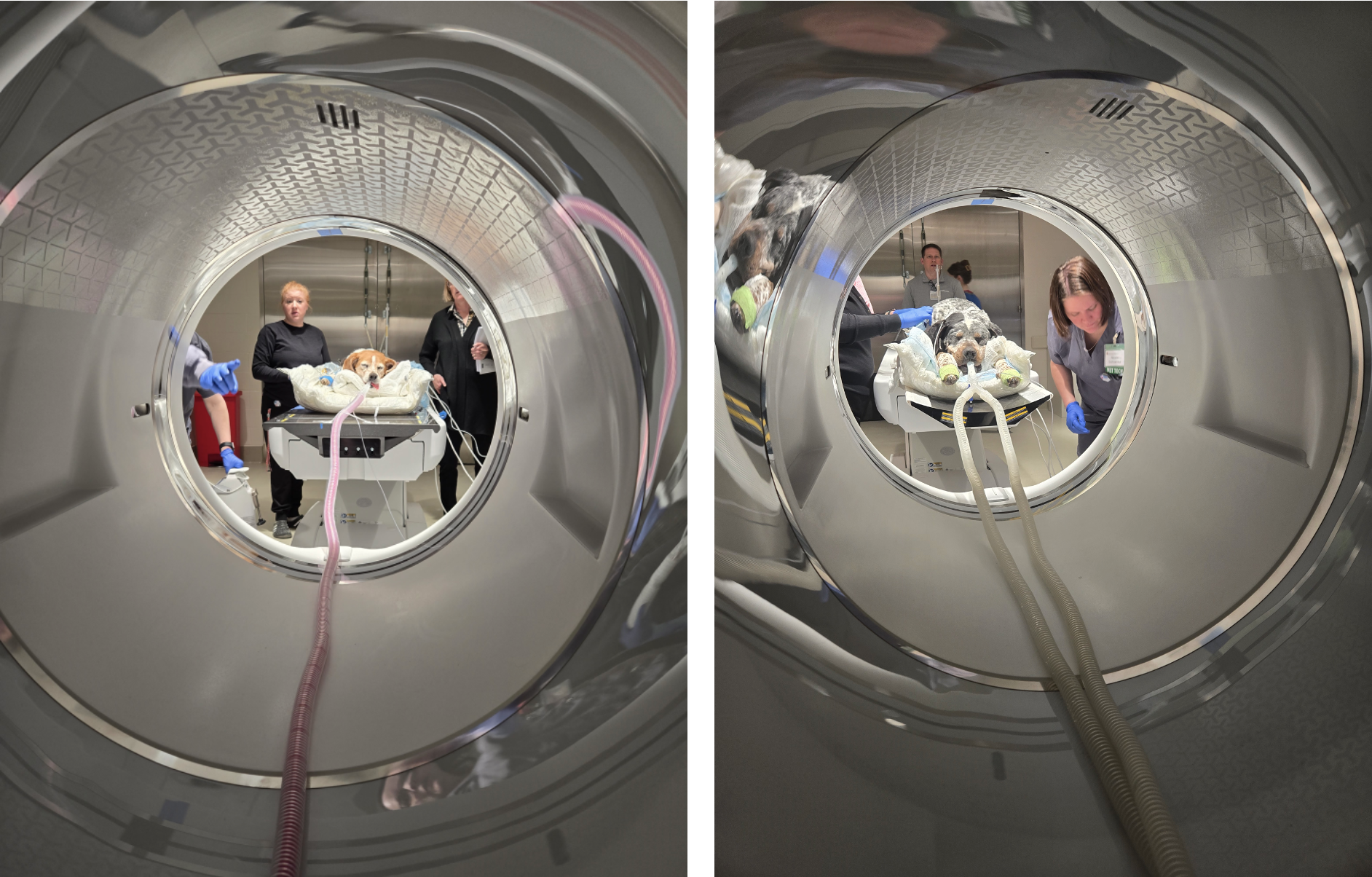
This month, the School of Veterinary Medicine launched its new in-house PET/CT imaging service, bringing advanced diagnostic capabilities directly to our patients. Led by Samantha Loeber (Department of Surgical Sciences), the team completed comprehensive training and testing – including a successful trial with Loeber’s dogs, Shelby and Sawyer – to ensure the system is ready for clinical use. PET/CT enables earlier, more accurate diagnoses and supports personalized treatment plans, especially in cancer care.
|
|
|
|
|
|
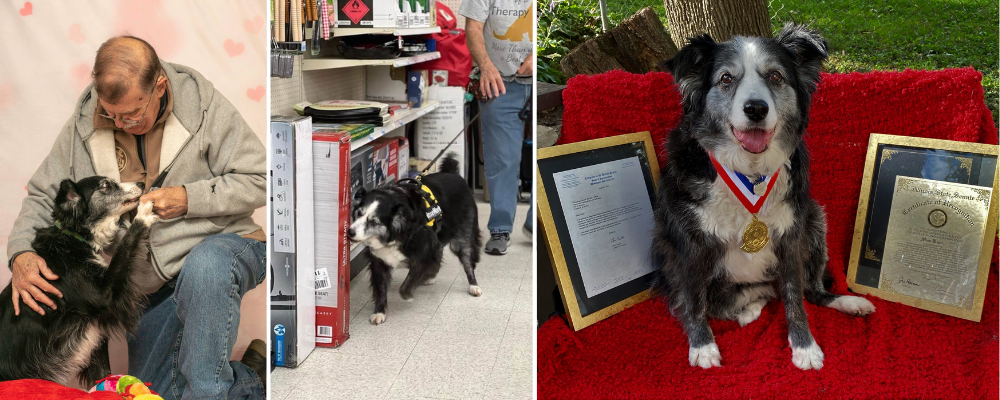
Rescued and rehabilitated as a young dog, Keanu, a Border Collie, went on to earn 81 titles and become a beloved therapy dog, touching thousands of lives. From comforting healthcare workers during the pandemic to helping non-verbal clients find their voice, Keanu’s impact was extraordinary. When she faced a sudden cancer diagnosis, her family turned to UW Veterinary Care, where they were met with compassion during an incredibly difficult goodbye. Keanu’s legacy now lives on through a scholarship in her name, supporting future veterinarians at the School of Veterinary Medicine. Read the full story online, or in the spring issue of On Call magazine.
|
|
|
Ask a Vet: Keeping Pets Mentally Stimulated
|
Just like people, pets benefit from mental and sensory enrichment at every age. From nose work for dogs to interactive toys for cats, engaging your pet’s mind helps reduce stress, curb unwanted behaviors, and support healthy aging. UW Veterinary Care experts Freya Mowat (Department of Surgical Sciences) and Maria Verbrugge (Department of Medical Sciences) recommend activities like treat puzzles, trick training, and food-search games. Find more enrichment ideas and tips in the Ask a Vet section of our spring issue of On Call magazine.
|
|
|
Do Dogs Get Seasonal Allergies?
|
With spring in full swing, it’s a good time to revisit this Inverse 2024 article featuring Douglas DeBoer (Department of Medical Sciences). While humans often deal with sneezing or watery eyes, dogs tend to show allergy symptoms through itchy or inflamed skin. Some breeds are more prone than others, and common triggers include pollen, dust, and mold. Check out this the full article for tips on spotting signs and helping your dog stay comfortable this allergy season.
|
|
|
New Clinical Study: Bearded Dragons Needed
|

|
Bearded dragons of any age, sex, or health status may qualify if they weigh at least 300 grams. This is a single-visit study with no cost to participate. Blood samples will be collected and stored for later analysis; results will not be available for individual treatment guidance. Eligible bearded dragons can participate during a scheduled appointment at UWVC or on a designated study day.
|
|
|
Expert Insight on Top GPS Dog Trackers
|
As pets enjoy more outdoor adventures, it is important to keep them safe and easy to locate. In a recent Business Insider article, Jessica Pritchard (Department of Medical Sciences) shares expert insights on the best GPS dog trackers and what to consider when choosing the right one for your pet. Check out the article here.
|
|
|
|
|
|