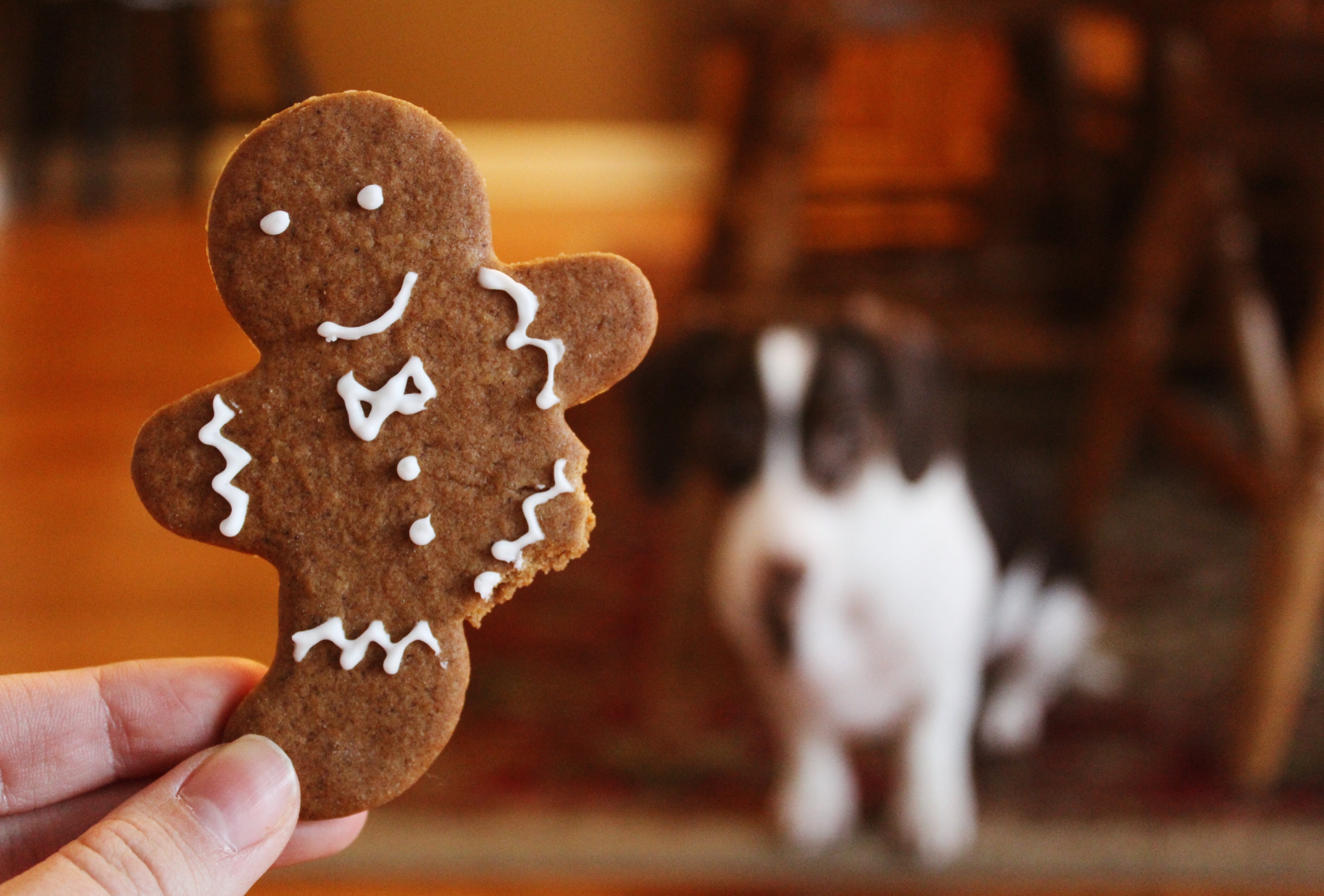
Holiday hazards: Keep these foods away from your pets
|
|
|
|
|
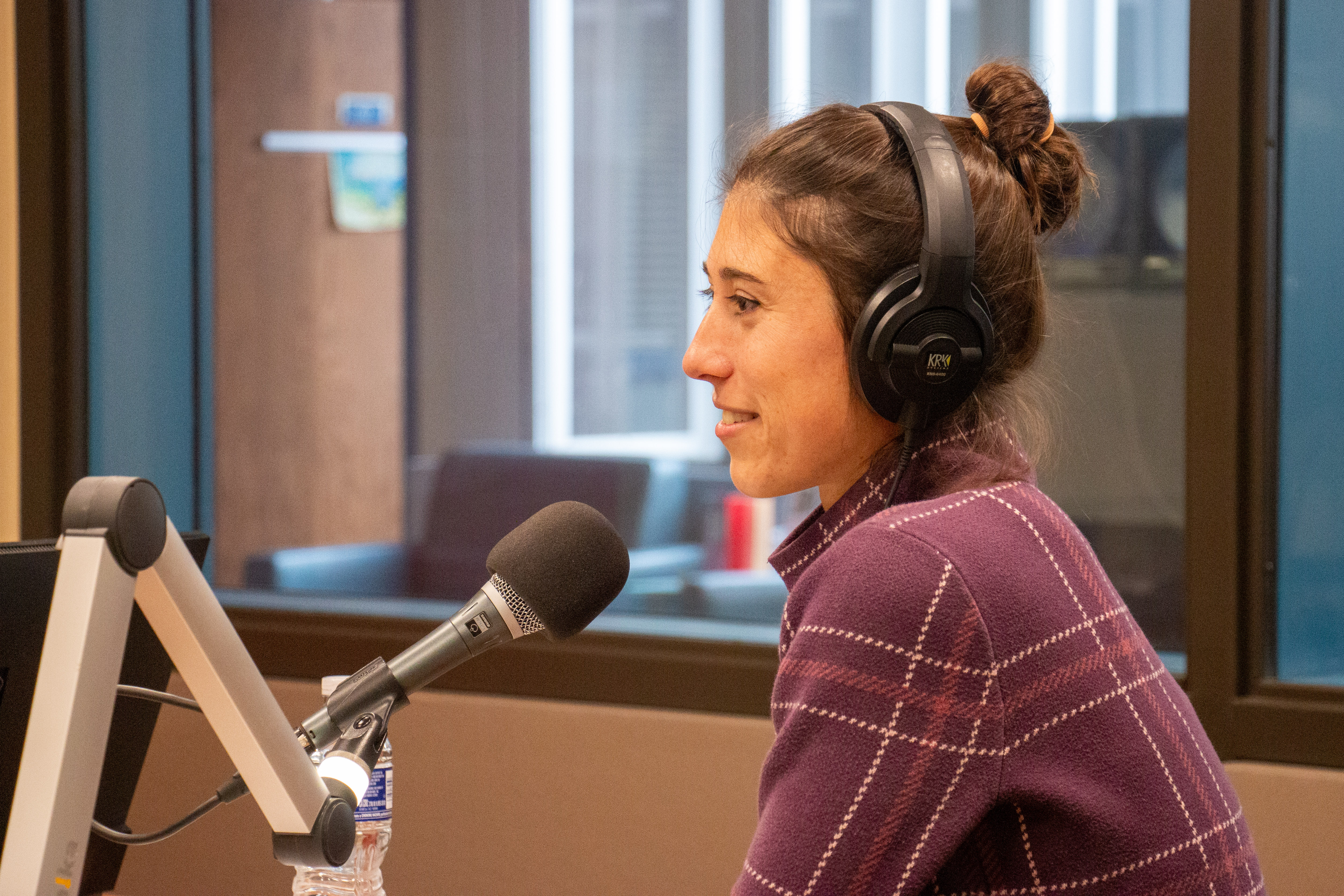
While holiday feasts are fun for humans, they can be dangerous for pets. From fatty foods and bones to grapes and garlic, many seasonal favorites are unhealthy or unsafe for consumption by pets and can lead to dangerous health effects. UW Veterinary Care expert Sam Bilko shares safe alternatives, the 10% treat rule, and what to do if your pet eats something harmful. Keep your pets healthy and happy this season with these essential tips.
Check out "In the news" below for additional info from Dr. Bilko on how to keep your pets safe this holiday season.
|
|
|
Brushing up on pet dental health
|
|
|
|
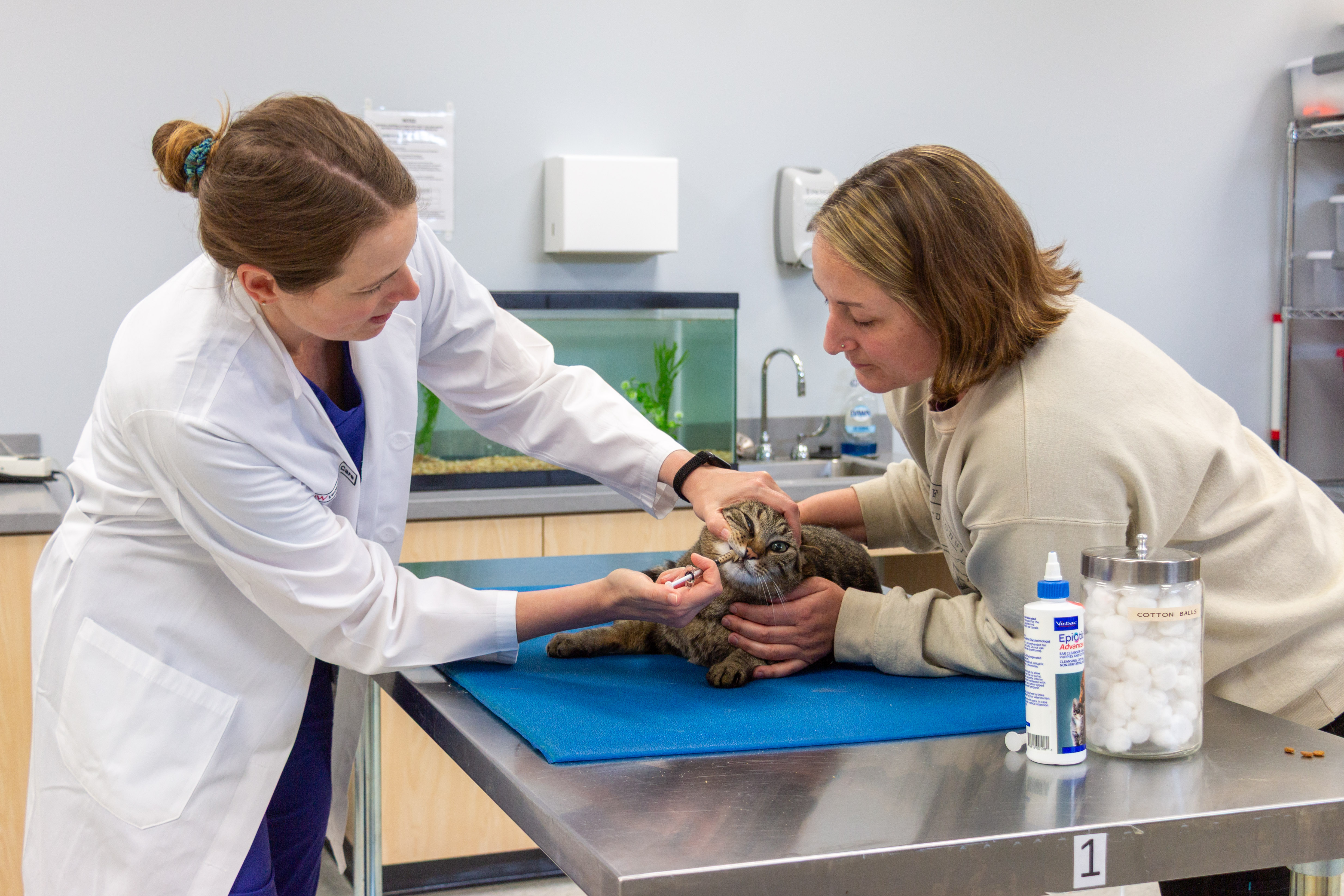
UW Veterinary Care clients are invited to a Client Learning and Lending Center event on Wednesday, Dec. 17, from 5:30 p.m. to 6:30 p.m. to learn more about the importance of oral care to your pet’s health and comfort. Participants in this free workshop will hear from UWVC veterinarians about what happens during veterinary dental cleanings, how to choose safe at-home products, and how to build a routine that supports long-term wellness through preventive care.
The CLLC is a partner in your pet’s health journey. Through hands-on training and expert guidance, the CLLC empowers UWVC clients to confidently provide at-home care recommended by our expert veterinarians. This means fewer preventable problems, happier pets, and stronger bonds between you and your companion animals.
|
|
|
|
|
|
Helping dogs live longer, healthier lives
|
|
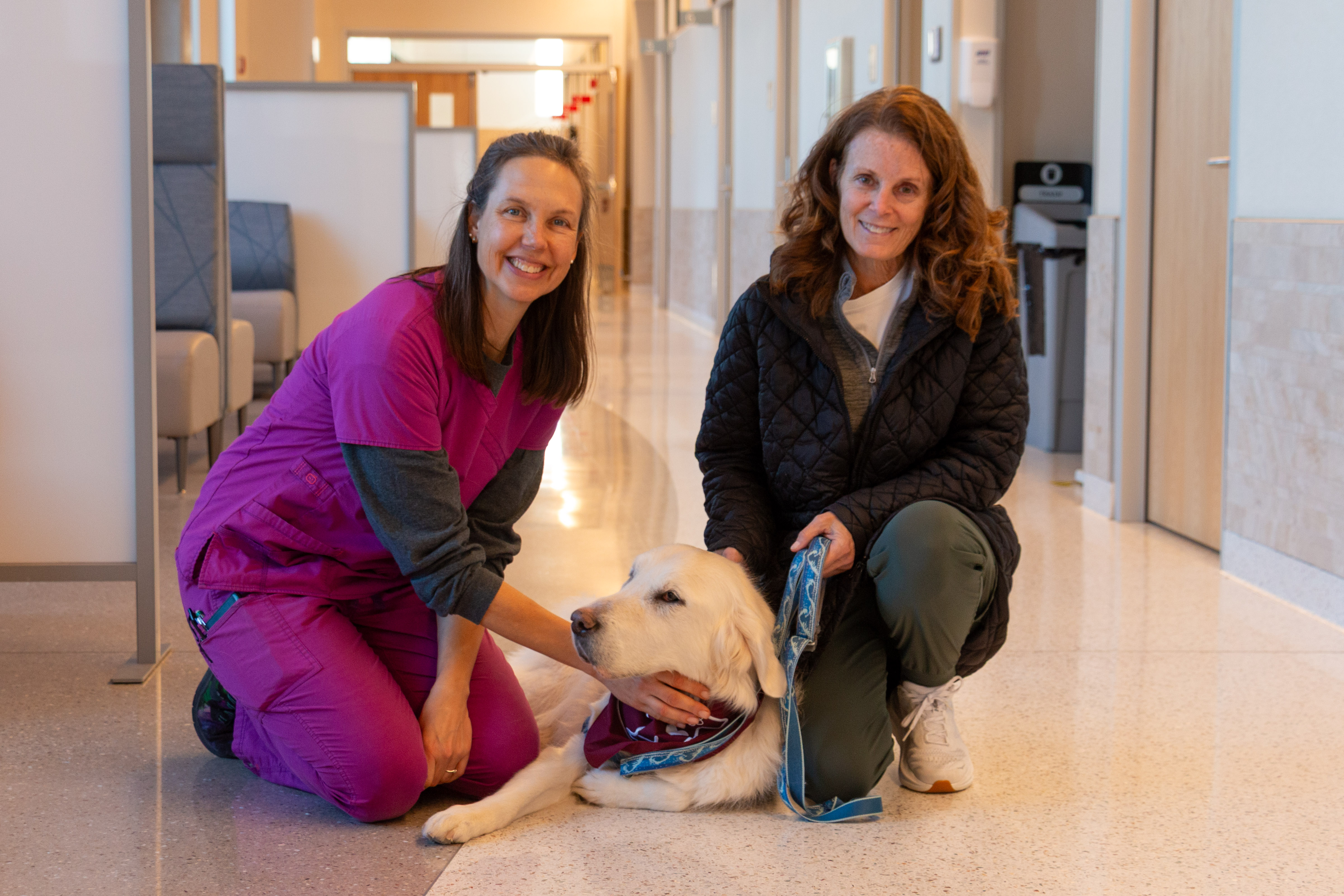
Meet Ohana, a graduate of the Trial of Rapamycin in Aging Dogs (TRIAD) Study, part of the nationwide Dog Aging Project. Ohana has been enrolled in TRIAD for five years and recently completed his final visit. Thank you for helping us advance science, Ohana!
The SVM is proud to be one of several TRIAD study locations helping advance discoveries that could benefit dogs everywhere.
Want your dog to make a difference, too? Learn how to enroll in the Dog Aging Project here.
|
|
|
|
|
|
Winter hazards for large animals: What owners need to know as temperatures drop
|
|
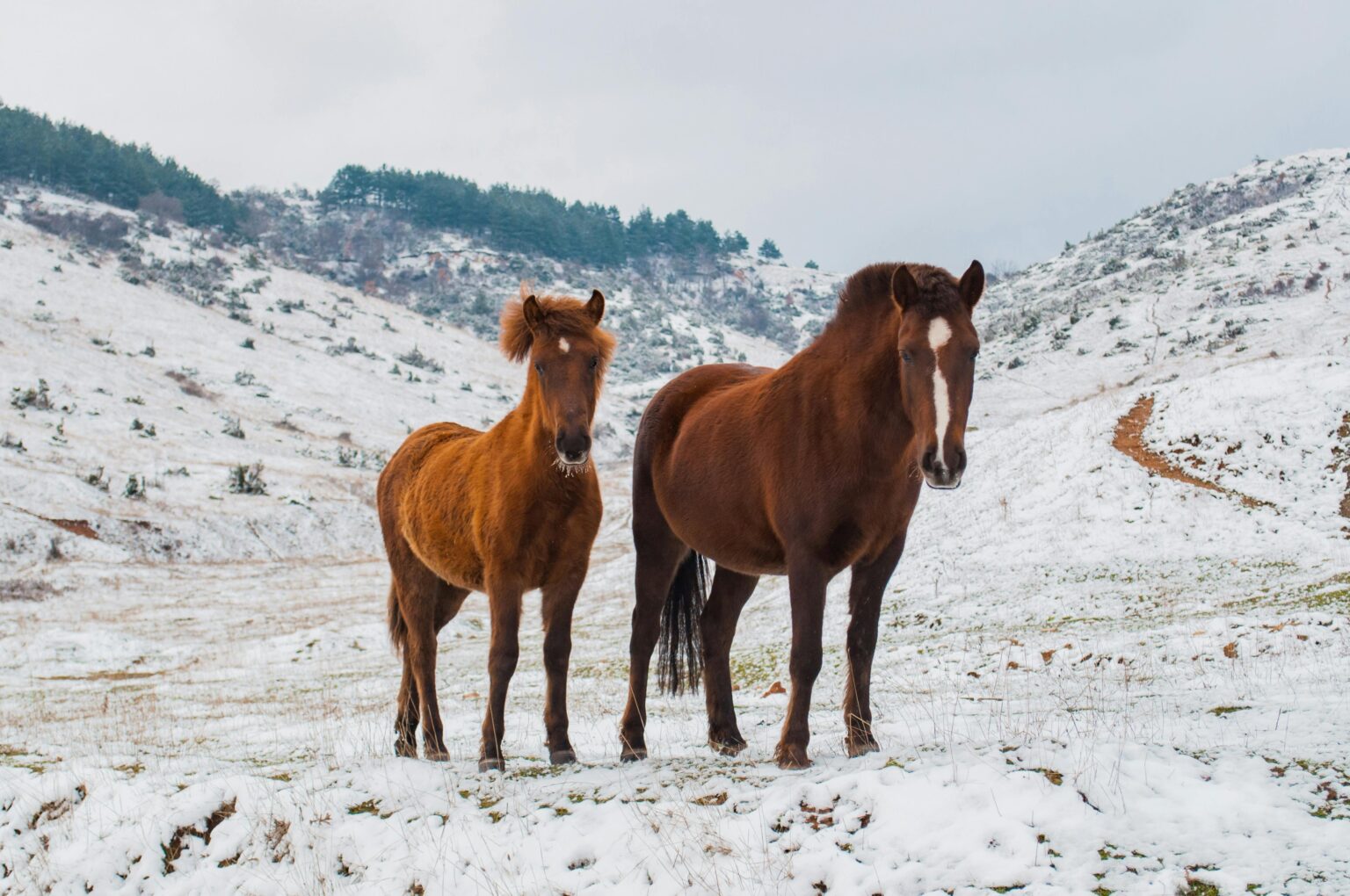
Winter can be tough on livestock and horses, even those used to the cold. From frostbite and impaction colic to slippery surfaces, the season brings unique health risks. UW Veterinary Care’s Chelsea Holschbach shares expert tips on shelter, hydration, and nutrition to keep animals safe and comfortable this winter. Read more here.
|
|
|
|
|
|
Wanted: Cats with kidney infections for clinical study
|
|
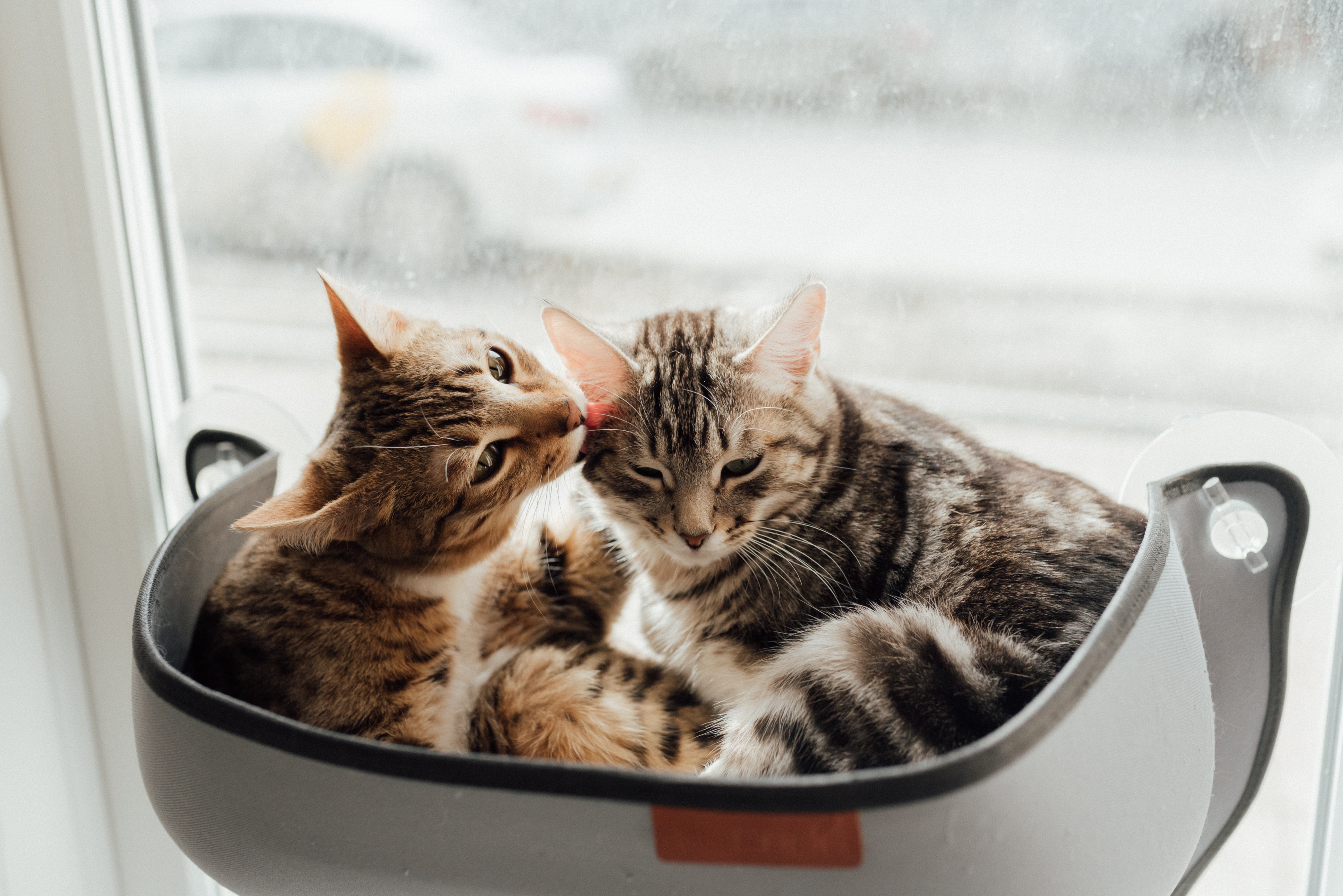
UW Veterinary Care Clinical Studies is seeking participants for a study investigating whether a systemic biomarker, serum amyloid A (SAA), can help determine when to stop antibiotic treatment in cats diagnosed with a kidney infection.
Cats with a working diagnosis of kidney infection (pyelonephritis), which may include those with newly elevated kidney values or a history of chronic kidney disease, are eligible. Participating cats will have weekly follow-up visits during antibiotic treatment and another visit three weeks after antibiotics are complete to ensure there is no evidence of infection recurrence.
Pet owners are responsible for the cost of diagnostics required to determine eligibility and any associated hospitalization costs. Once enrolled, the study will pay for SAA testing and study-related re-evaluations, including bloodwork, urine tests, and blood pressure assessments.
To learn more about this study, contact Crystal Ma (cxma@wisc.edu) or Amy Elbe (clinicalstudies@vetmed.wisc.edu, 608-890-0422).
|
|
|
|
|
|
|
|
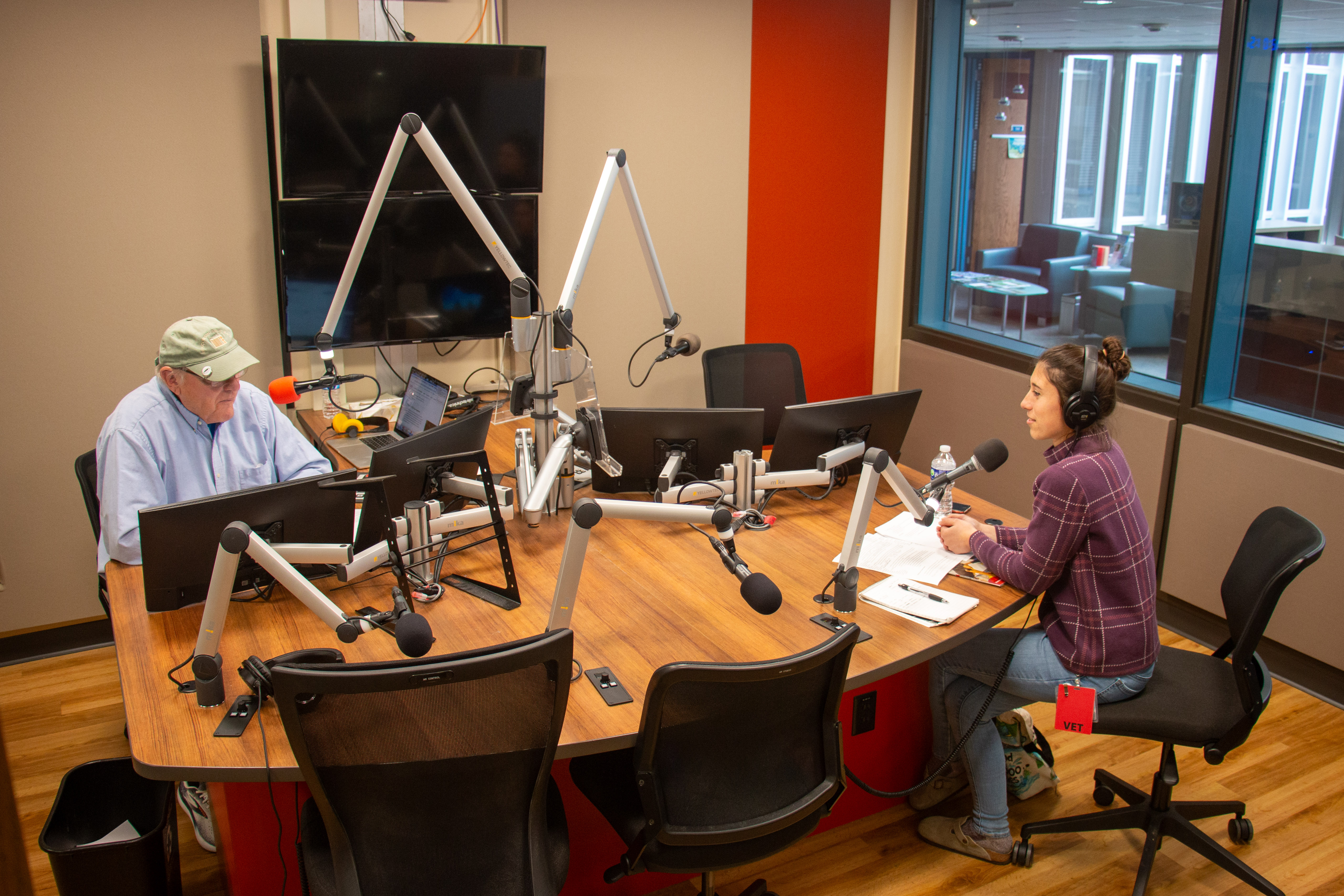
- Sam Bilko (Department of Medical Sciences) recently joined Wisconsin Public Radio’s “The Larry Meiller Show” to discuss festive food for pets, winter hazards to watch out for, and more. Listen to her full 90-minute appearance here. Dr. Bilko also spoke with The Farmer’s Dog Digest about what holiday foods are safe for pets. Read the story here.
- A team of researchers, led by Peter Halfmann (’01 PhD’08; Department of Pathobiological Sciences), Gabriele Neumann (Department of Pathobiological Sciences), Keith Poulsen (’00 DVM’04 PhD’12; Department of Medical Sciences; director, Wisconsin Diagnostic Veterinary Laboratory), and Yoshihiro Kawaoka (Department of Pathobiological Sciences), recently had Stability of Avian Influenza A(H5N1) Virus in Milk from Infected Cows and Virus-Spiked Milk published in the New England Journal of Medicine.
- Jennifer Heyward (MS’22; Department of Surgical Sciences), Freya Mowat (Department of Surgical Sciences), and Amy Elbe (’25) recently had a paper, Dogs with sudden acquired retinal degeneration syndrome have evidence of a hypercoagulable state and decreased clot turnover, published in the Journal of the American Veterinary Medical Association.
|
|
|
|
|
|
|
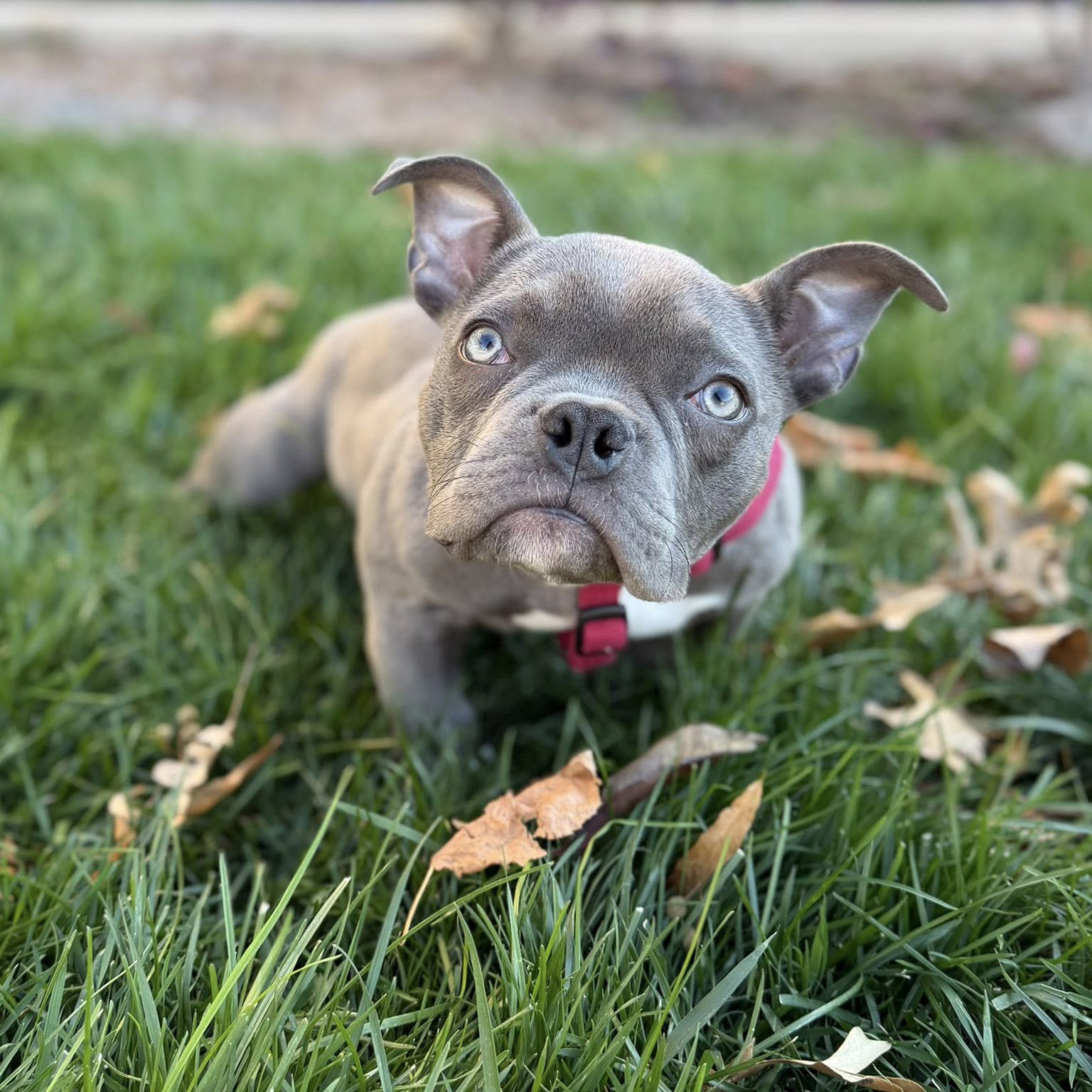
“Today we made the trek to UW Veterinary Care to see the neurology department. While they aren’t able to diagnose (Stitch) with anything specific, they did determine that his abnormal gait is a neurological deficit. They performed some pain testing and were happy to report that he doesn’t seem painful whatsoever! 🥳” -- Thrifted Kittens Animal Rescue on Facebook
|
|
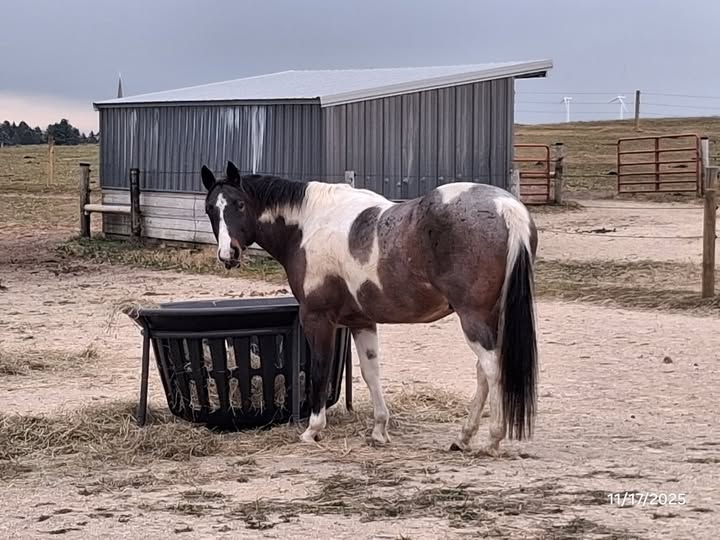
“Took this pretty guy to an appointment with the great team at UW Veterinary Care and back to his barn yesterday. He was happy to get home in time for supper!” -- Nifty Equine Services on Facebook
|
|
|
|
|