Tiny teeth: Understanding dental health in small pets
|
|
|
|
|
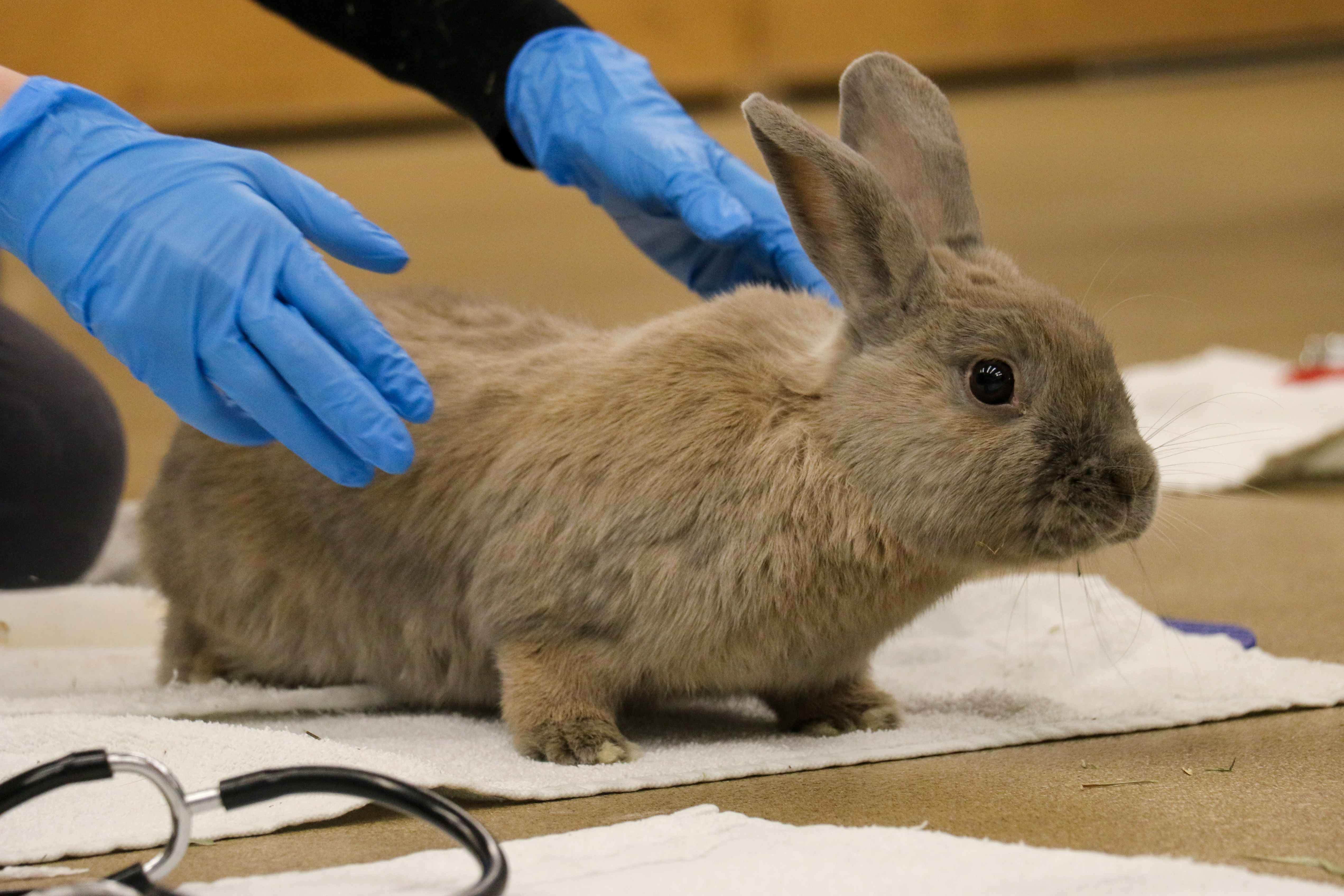
Dental health is a key component to overall health in animals. For some species, like rabbits, guinea pigs, and chinchillas, maintaining healthy mouths helps ensure they can thrive. UW Veterinary Care’s Special Species Health Service is home to board-certified zoological medicine specialists for exotic pets. Read more about how dental disease develops in these animals, warning signs to watch for, and how UWVC supports lifelong wellness for small pets here.
|
|
|
|
|
|
Wanted: Feline FIC patients for clinical study
|
|
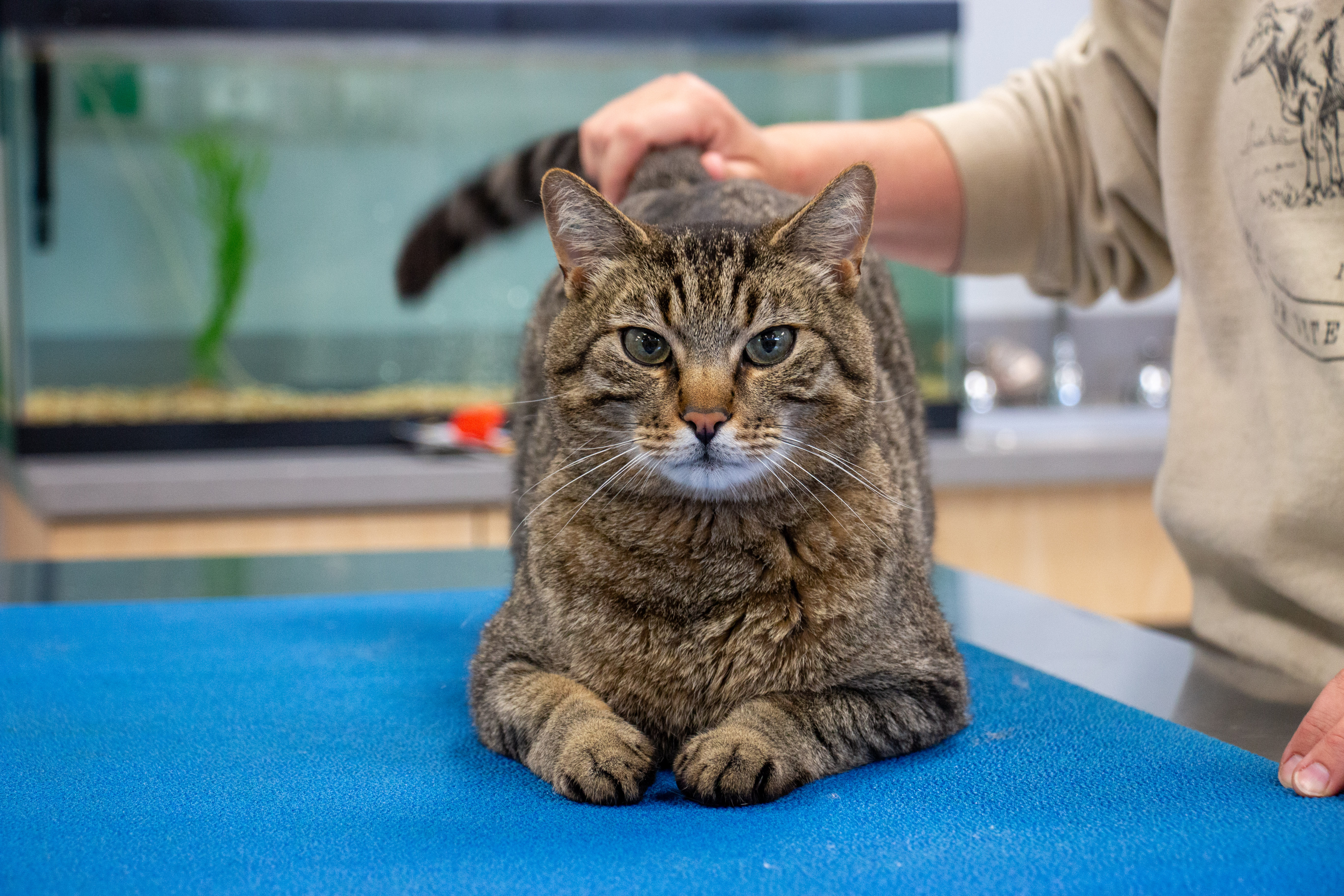
UW Veterinary Care Clinical Studies is seeking participants for a study measuring the effectiveness of treating feline idiopathic cystitis (FIC, which is painful bladder inflammation in cats) using a monthly injection of the drug Solensia.
Adult cats who have had an episode of FIC in the last six months are eligible to participate if other causes of the inflammation have been ruled out with a physical exam, blood work, urinalysis with culture, and abdominal ultrasound.
Participants will have a screening visit followed by six monthly visits. Cats will have physical exams and blood and urine collected at each visit, plus an injection under the skin.
Cost of the screening exam, blood work, bladder ultrasound, and monthly injections are covered by the study.
|
|
|
|
|
|
New year, new bowl: Healthy starts for our furry friends
|
|
|
|
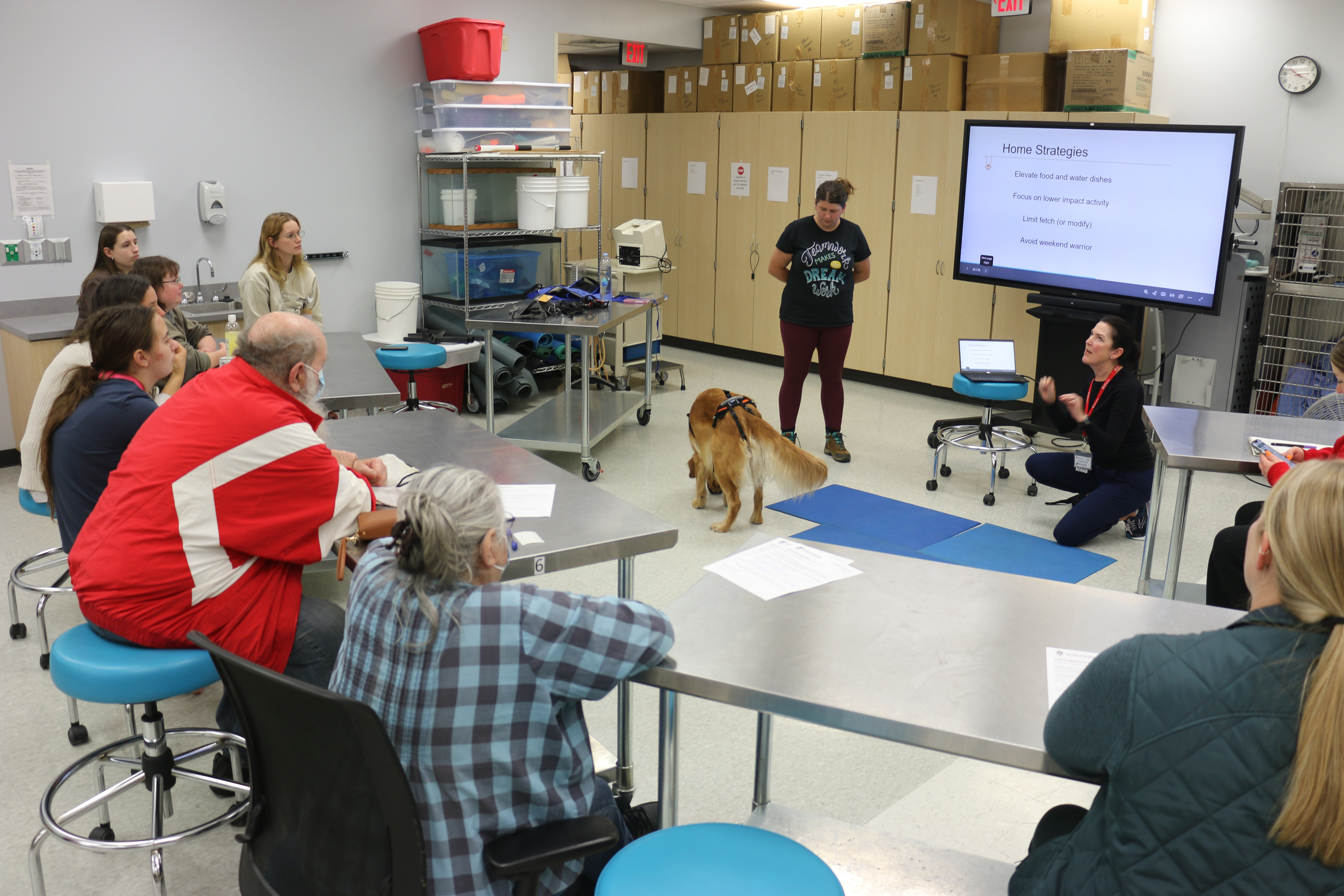
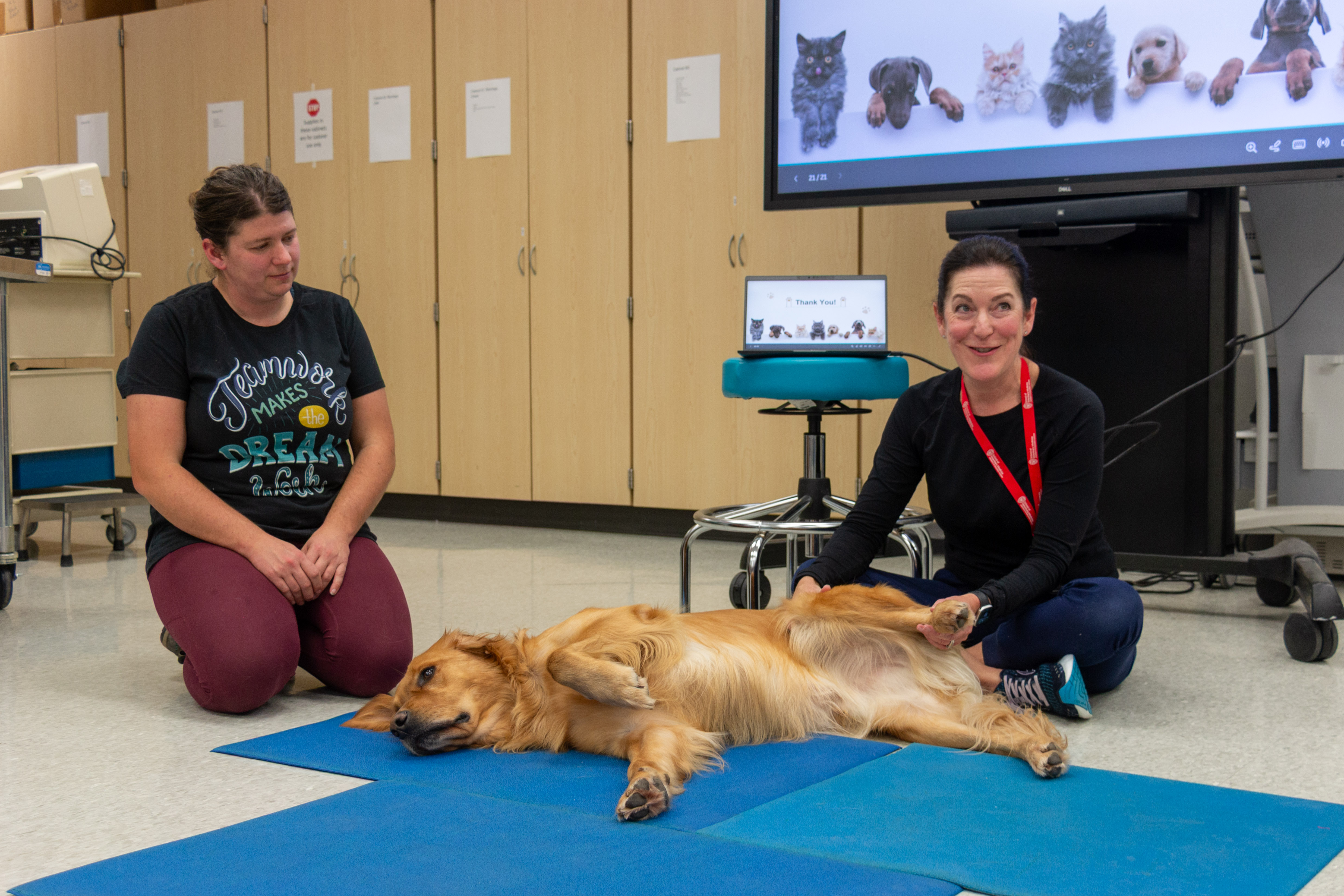
Above, photos from an earlier CLLC learning session featuring Courtney Arnoldy ('94), who founded UW Veterinary Care's small animal physical rehabilitation service. Dr. Arnoldy discussed pet mobility and osteoarthritis.
|
|
|
|
Join UW Veterinary Care’s Client Learning and Lending Center on Tuesday, Jan. 27, from 5:30 p.m. to 6:30 p.m. to learn more about nutrition for your pets. Participants in this free workshop will hear from our veterinarians about how to understand your pet’s nutritional needs, how to decipher pet food labels, and how to choose diets to support long-term health.
The CLLC is a partner in your pet’s health journey. Through hands-on training and expert guidance, the CLLC empowers UWVC clients to confidently provide at-home care recommended by our expert team members. This means fewer preventable problems, happier pets, and stronger bonds between you and your companion animals.
|
|
|
|
|
|
Avian answers: What your bird’s behavior says about its health
|
|
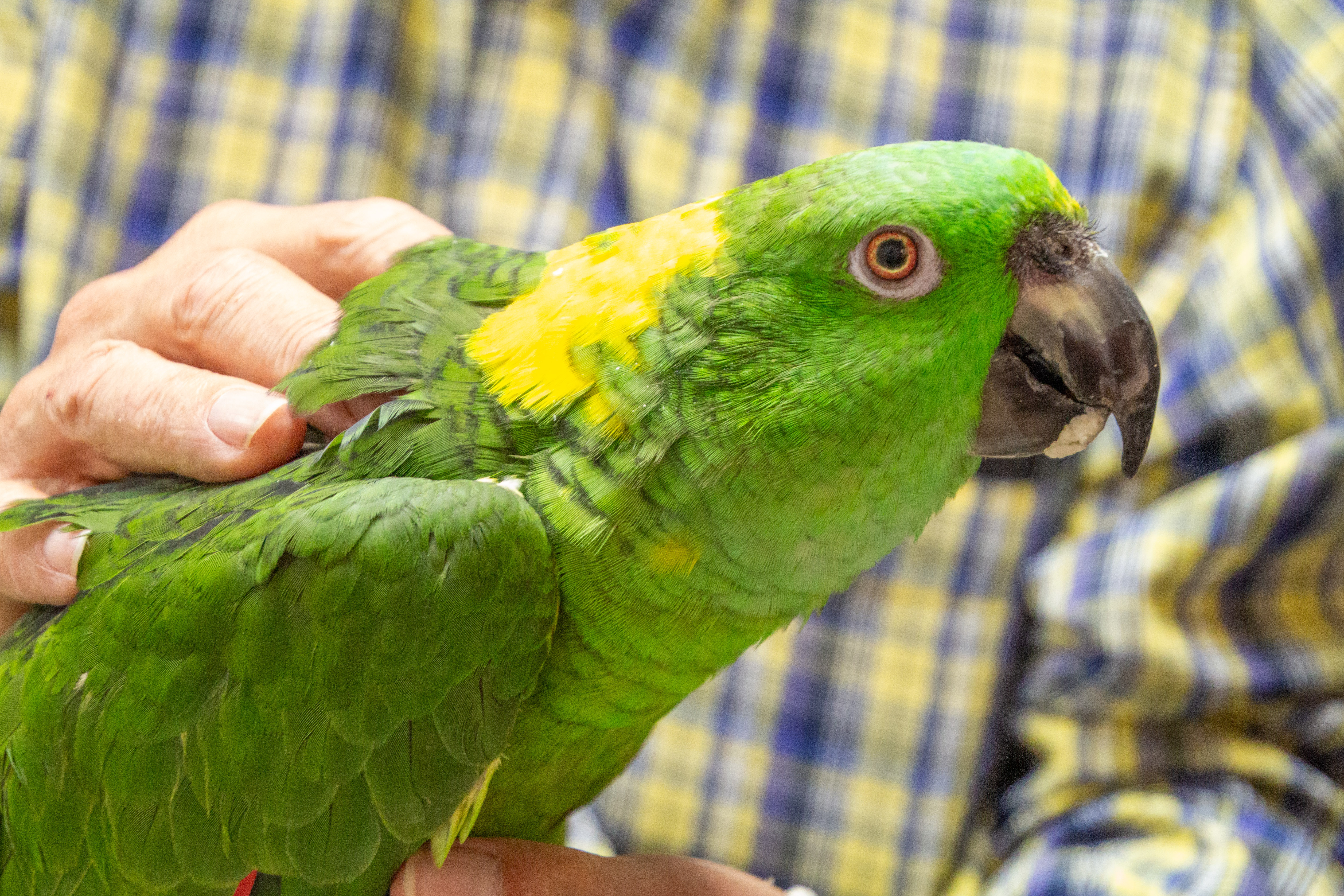
Understanding the behavior of pets can lead to happier, healthier lives for our furry friends and even prevent medical emergencies. Just like other animals indicate emotional states and health issues through their behavior, birds communicate their wellbeing through different actions and sounds. Read more about what to look out for and how to encourage positive bird behavior here.
|
|
|
|
|
|
Wanted: Feline patients who have had MRI or CT scans
|
|
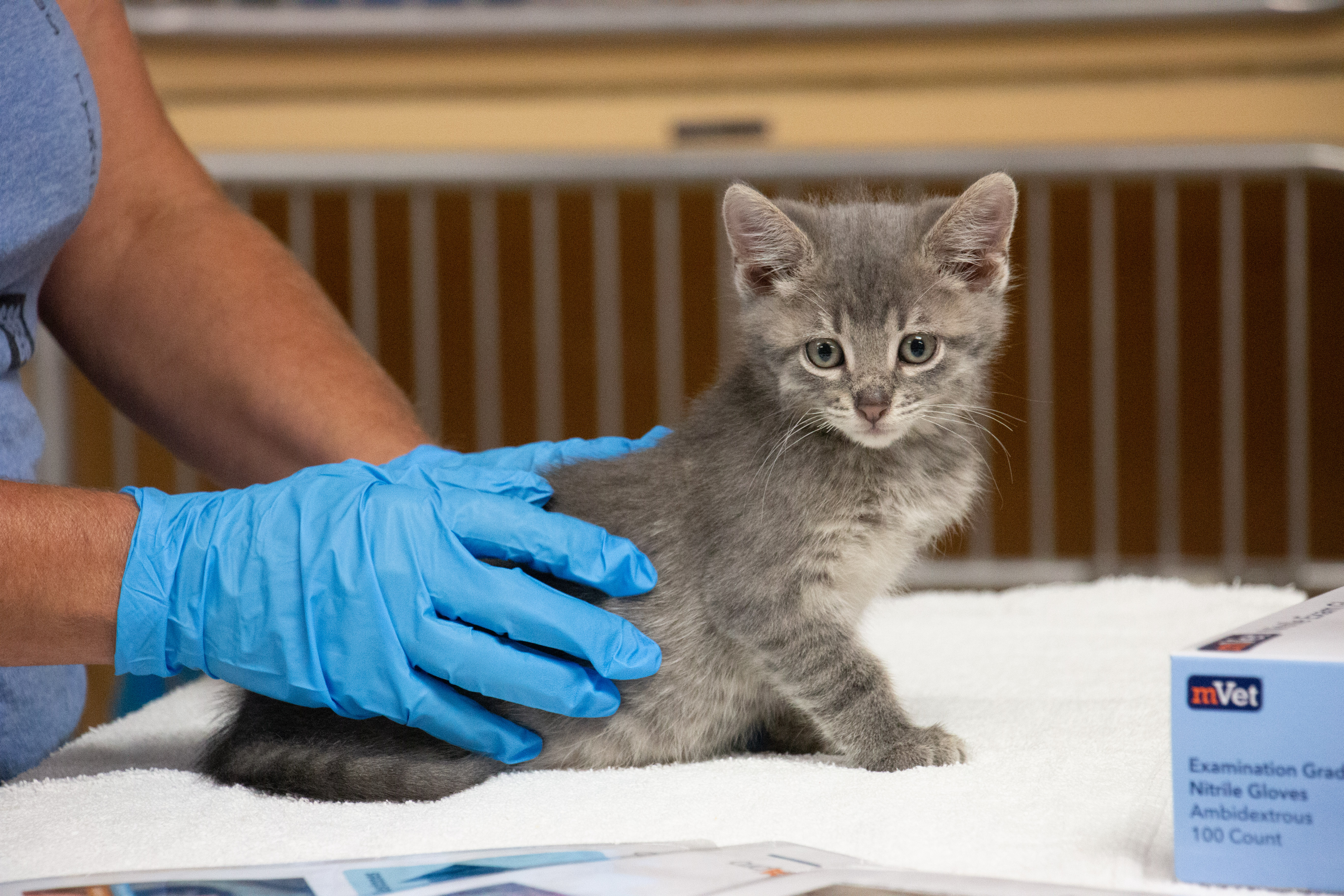
Cats age seven and older that have had MRI or CT imaging of their brain or skull completed at UW Veterinary Care within the past five years are eligible to participate. No additional trips to the hospital are necessary. Participants just need to fill out a 10-minute behavior questionnaire, which will be shared with them by a clinician after enrolling in the study.
|
|
|
|
|
|
|
|
- Dean Jon Levine and alum Meg Mueller (DVM’10) were quoted in a Milwaukee Journal Sentinel story examining the shortage of veterinarians in rural Wisconsin.
- Alum Nicole Nietlisbach (DVM’19) was recently featured in a Wisconsin Natural Resources story exploring the work of veterinarians at the state DNR. Nietlisbach, along with two other staff veterinarians, is responsible for ensuring the population health of Wisconsin’s fish and wildlife species. Read the full story here.
- Thomas Friedrich (’97 PhD’03; Department of Pathobiological Sciences) and Keith Poulsen (’00 DVM’04 PhD’12; Department of Medical Sciences; Director, Wisconsin Veterinary Diagnostic Laboratory) were quoted in a recent Nature story about H5N1 focused on how to prevent the next flu pandemic.
- Kristen Bernard (MS’92 PhD’95; Chair, Department of Pathobiological Sciences) spoke with Block Club Chicago about a recent canine rabies case in Chicago, outlining how a nationwide public health initiative dating back to 1947 has dramatically curbed the disease’s presence in pets.
|
|
|
|
|
|
|
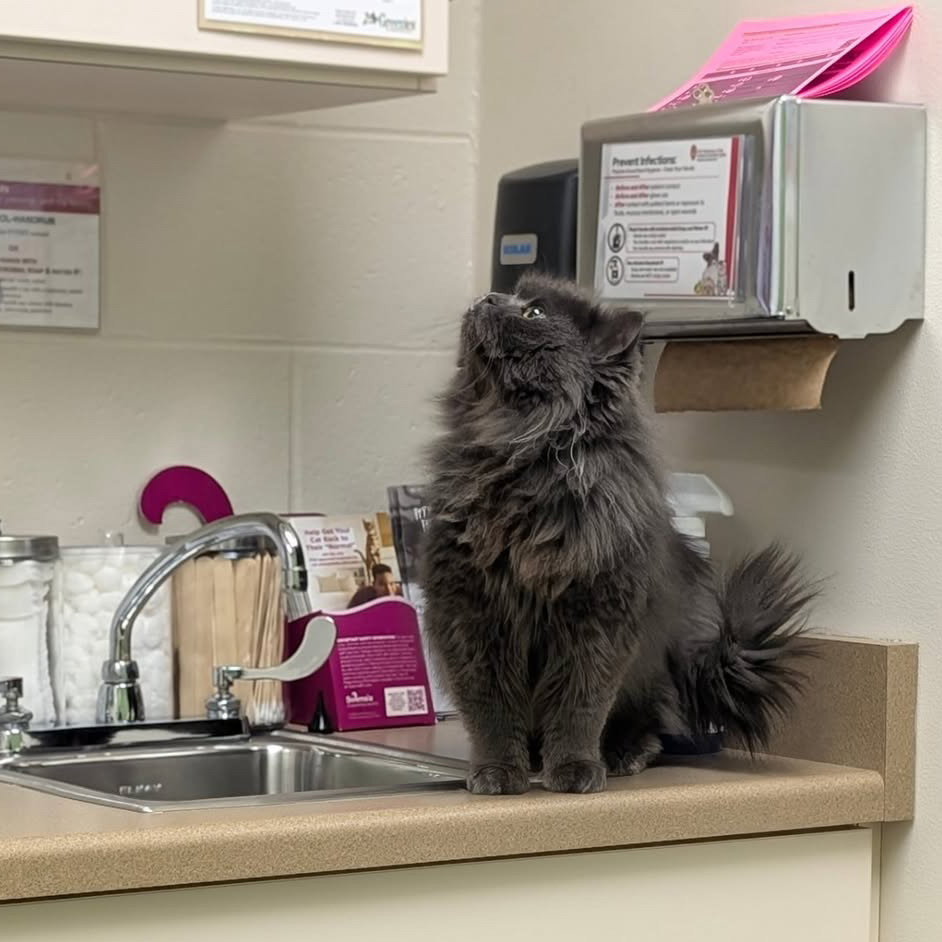
“Yesterday was a very eventful day for my sweet, sweet little furball. We had an early morning appointment at @uwvetmed. In their very capable hands, Gerald had SOOOO many tests done and an ultrasound to figure out what's going on with his kidneys.
Unfortunately, he has Stage 2 kidney disease. Fortunately, we have a plan moving forward to make sure it doesn't progress.” – @geraldspurrsiansnuggletooth on Instagram
|
|
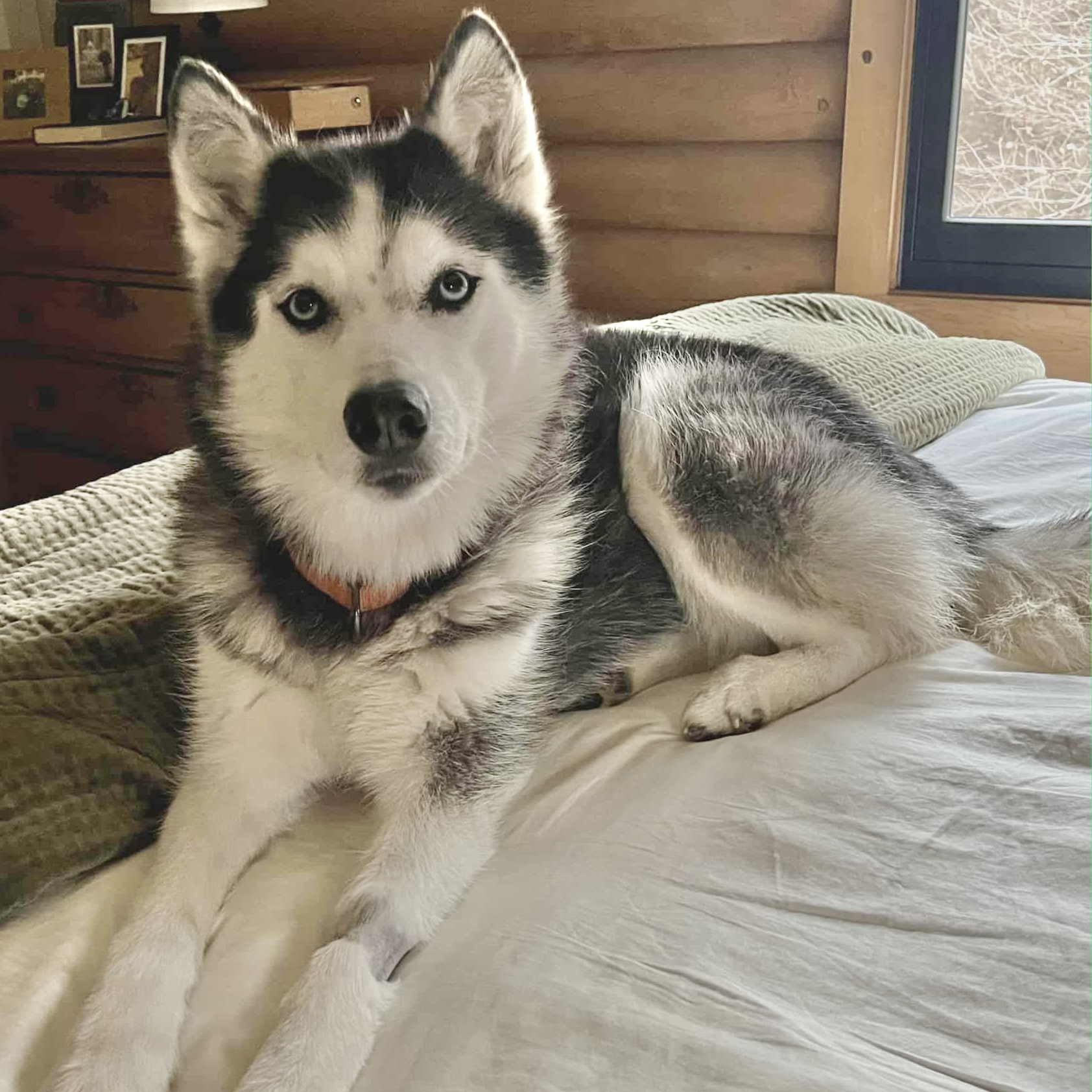
“A big surgery for beautiful Esme and some very good news! … We received some great news on her pathology report today from her UW surgeon, Dr. McNabey. This large mass is a soft tissue sarcoma and a grade 1. This means it is not aggressive or rapidly dividing. … We will make a final recheck for Esme in three months at UW Oncology Service and then the world is her oyster…or maybe her biscuit!” – Critter Crusaders of Cedar Rapids on Facebook
|
|
|
|
|