|
|
|
|

|
|
|
|
|
|
Rare Diagnosis, Remarkable Recovery:
Luna the Arctic Fox
|
|
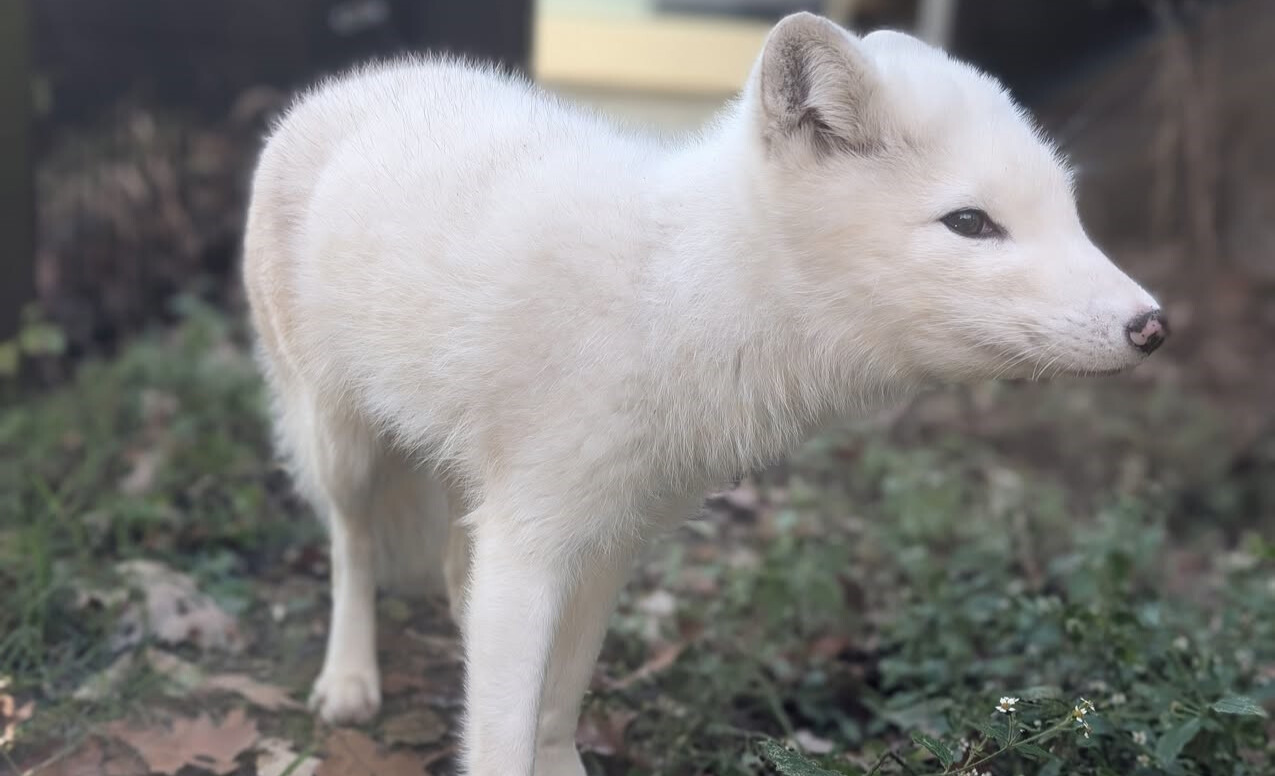
Luna, an Arctic fox, became sick soon after arriving at Ochsner Park Zoo in Baraboo, Wisconsin, from the state of Oregon. She was brought to UW Veterinary Care and later diagnosed with salmon poisoning disease, a rare condition caused by a parasite found in the Pacific Northwest. Luna received extensive treatment, and, within days, her condition improved dramatically. She continued to recover after returning to the zoo and now spends her days playing with fellow Arctic fox Apollo. Her case underscores the importance of considering geographic history in veterinary diagnoses. Read more about Luna here.
|
|
|
|
|
|
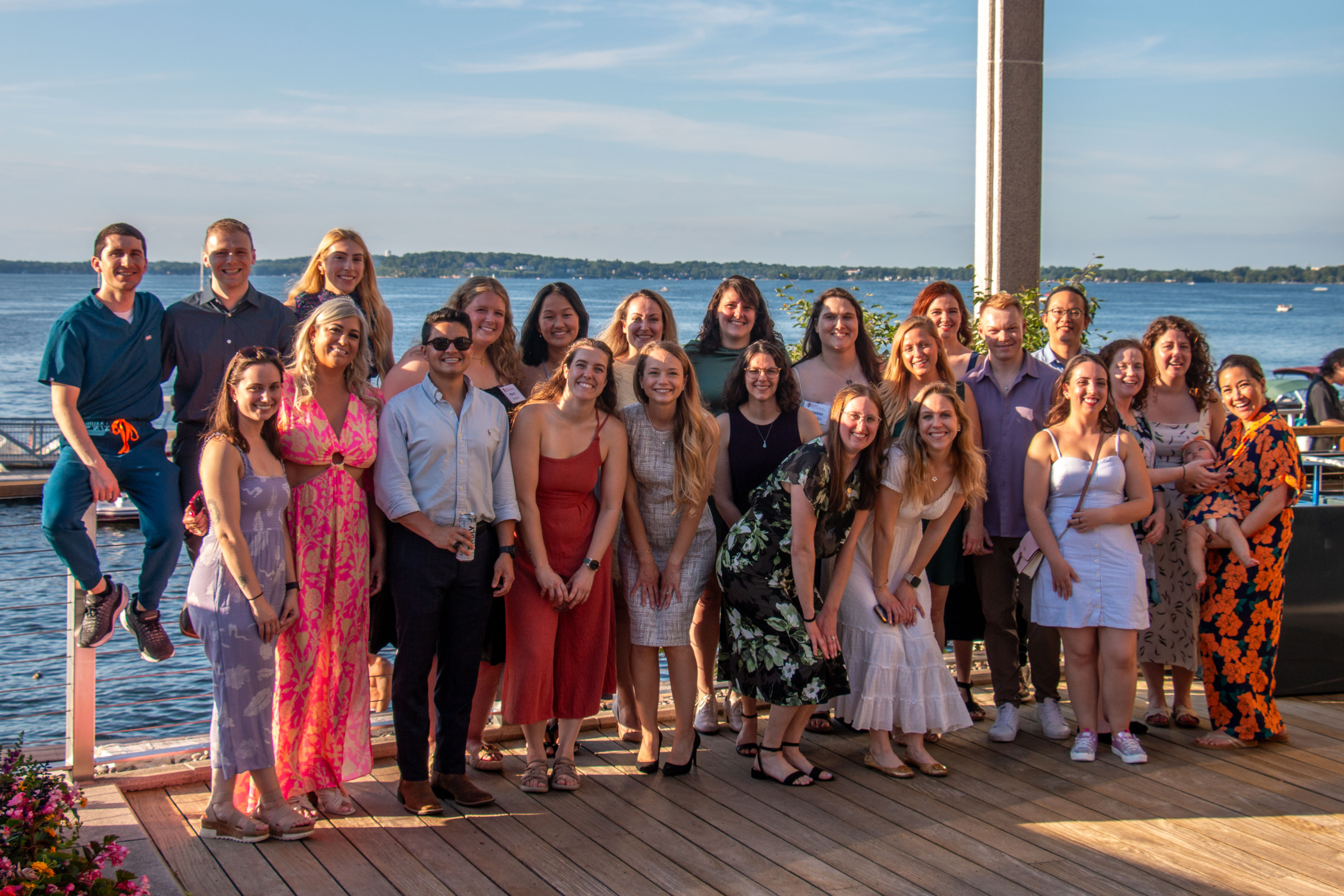
Congratulations to UW Veterinary Care’s outgoing house officers! This outstanding class of residents, specialty interns, and rotating interns was celebrated at a ceremony on June 28, where their hard work at the hospital was recognized by faculty and staff members.
We also want to extend a warm welcome to UWVC’s new house officers! We are thrilled to have this talented group join us. All of our residents and specialty and rotating interns play a critical role in patient care at UWVC. They also help shape the future of veterinary care by working with our DVM students in the teaching hospital.
|
|
|
Wanted: Aging dogs for Clinical Study
|
|
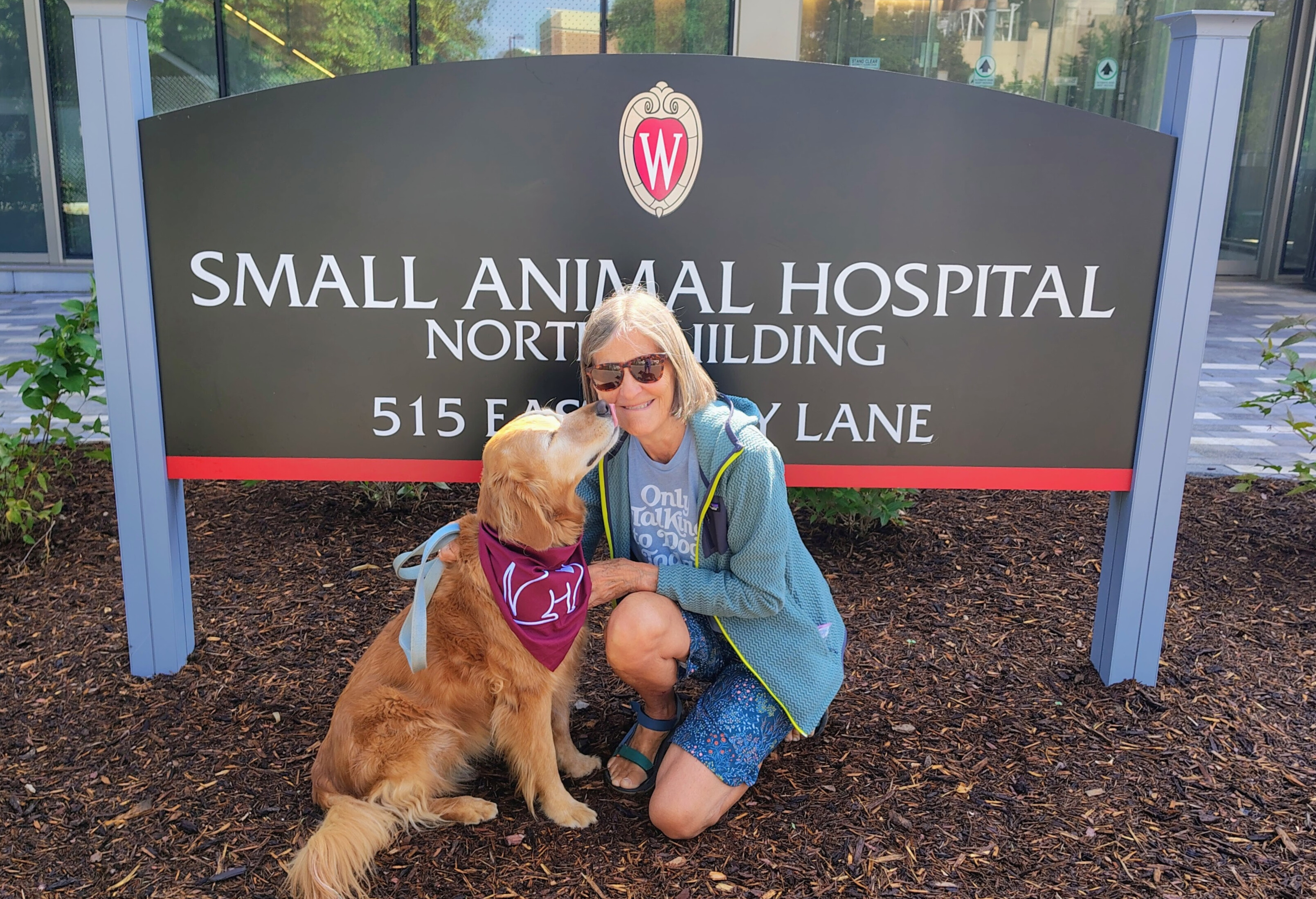
Pippi, an 11-year-old golden retriever, is the first dog to graduate from our site in the national TRIAD study. Her journey contributes to research on healthy aging in dogs, with possible future applications for humans
The UW Veterinary Care Clinical Studies department is seeking participants for a study exploring the effectiveness of Rapamycin in increasing the health span of companion dogs. Health span is how long someone lives without chronic pain, mobility issues, or significant illness. The study will also gauge whether the drug improves cardiac function and other health measures in aging dogs. Cardiac function may correlate with health and longevity so the outcomes of this study may translate to human health.
Participation is free and includes all scheduled exams, including physicals, blood and urine tests, echocardiogram, ECG, blood pressure testing, and the study drug (Rapamycin or placebo).
Eligibility requirements:
- Enrolled in the Dog Aging Project (more info here)
- At least seven years old
- Healthy
- Spayed or neutered
- On heartworm preventatives
- Weigh between 44 lbs (20kg) - 120 lbs (50 kg)
- Comfortable at vet clinics and cooperative for exams without sedation
- Not on disqualifying medications (current medications will be reviewed by veterinarians)
Dogs are enrolled through the Dog Aging Project. If interested, your first step is to fill out their survey.
|
|
|
|
|
Dozens of cases of bird flu have been confirmed in U.S. pets – especially cats – so far in 2025. While the risk to household pets is low, it’s important to stay informed about the disease and what to watch for. SVM faculty have been helping the public understand what to know and how to stay safe through local and national media interviews. Here are some highlights from recent interviews.
How can I keep my pets safe from bird flu?
Cats are more likely than dogs to become sick from H5N1, according to Peter Halfmann (’01 PhD’08; Department of Pathobiological Sciences), who spoke with Popular Science and Wisconsin Public Radio (WPR) about rising concerns around pet infections. Most cases occur after cats ingest raw poultry or contaminated milk or encounter infected birds, he explained. Symptoms can include fatigue, difficulty breathing, and, in some cases, neurological issues. Halfmann recommends keeping cats indoors, avoiding raw meat and milk, and contacting a veterinarian if any unusual symptoms appear.
Our dedicated experts are always available to consult with you and/or your primary veterinarian if you have questions or concerns. Learn more from recent interviews here.
|
|
|
|
|
|
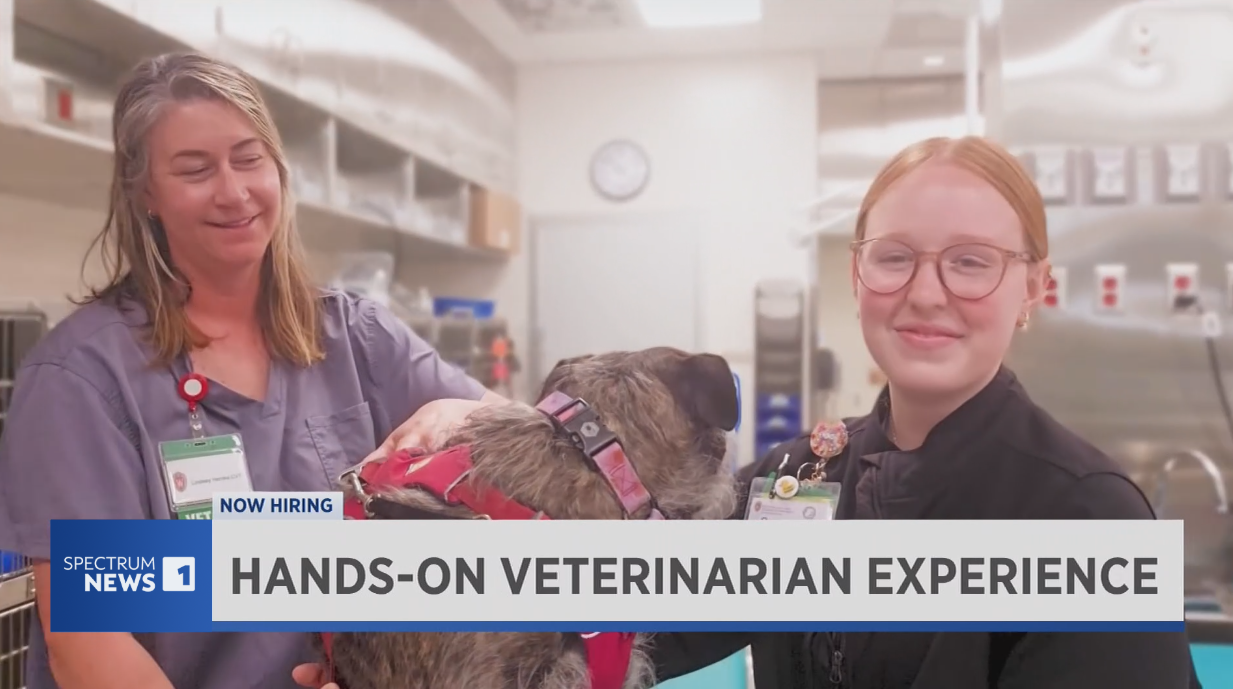
- UWVC’s veterinarian technician training program was recently spotlighted in a video feature by Spectrum News 1. Hospital Director Christopher Snyder and team members Jill Medenwaldt, Melinda Carmody, Lindsey Hernke, and Samantha Flint are all quoted in the story. Watch it here.
- The SVM turned out for a recent episode of WPR’s “The Larry Meiller Show.” Christopher Snyder (associate dean for clinical affairs and director of UW Veterinary Care) discussed caring for pets’ teeth and mouths and Lyric Bartholomay (PhD’04, Department of Pathobiological Sciences) talked ticks.
- Kyle Bartholomew (DVM’17; Department of Surgical Sciences) discusses with DVM 360 the importance of creating “individual protocols” for each patient clinicians see. “While it's easy to create standardized protocols for every patient that you have, make sure to treat your patients individually,” he says. The interview comes after he served as a continuing education instructor on small animal anesthesia at the 2025 North American Veterinary Community SkillShop in Orlando.
- Lauren Trepanier (Department of Medical Sciences) is quoted in Yahoo! Life in a story discussing a potential link between certain lawn treatments and cancer in dogs. Trepanier is also quoted in a Medscape story exploring the role pet dogs are playing in advancing lymphoma breakthroughs.
- Tatiana Ferreira (Department of Surgical Sciences) in DVM360 discusses how inhalant anesthesia can be used for any procedure. The interview comes after she co-presented a lecture on inhalant anesthesia vs. total intravenous anesthesia at the 2025 North American Veterinary Community SkillShop in Orlando.
|
|
|
|
|
Highlights from your social media mentions of UW Veterinary Care
and the UW School of Veterinary Medicine
|
|
|
|
|
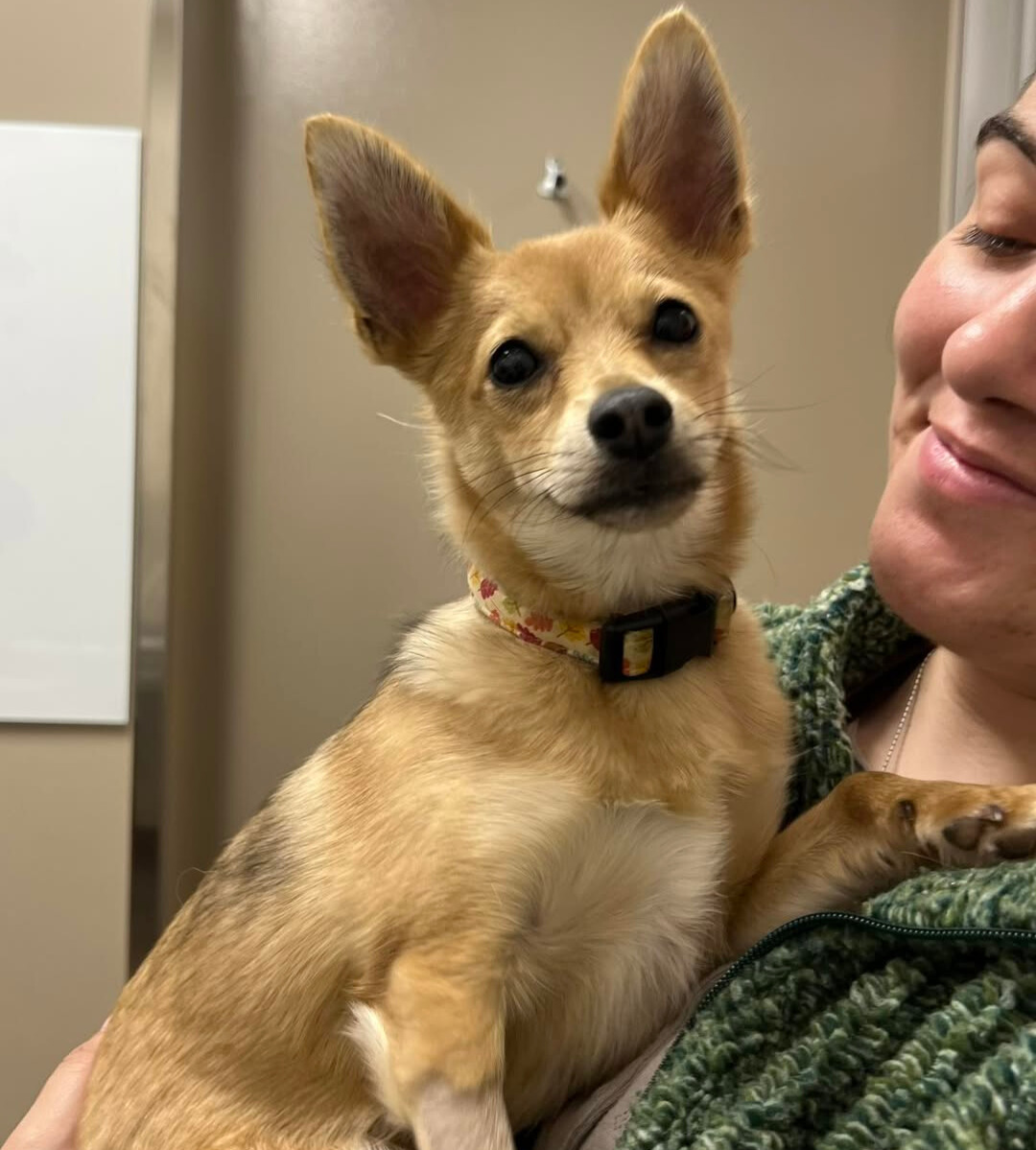
“Our sweet Finnick is going in for a chest CT today, please wish him luck! It is suspected that he has pulmonary valve stenosis, but the CT will confirm the diagnosis. This test is not without risks, but it will hopefully give us answers on how to best support him moving forward. We can’t thank UW Veterinary Care’s incredible team of cardiologists enough for supporting Finnick every step of the way, and giving us a grant to make the CT possible. We’ll keep you updated once we know more!” - Thrifted Kittens Animal Rescue via Facebook
|
|
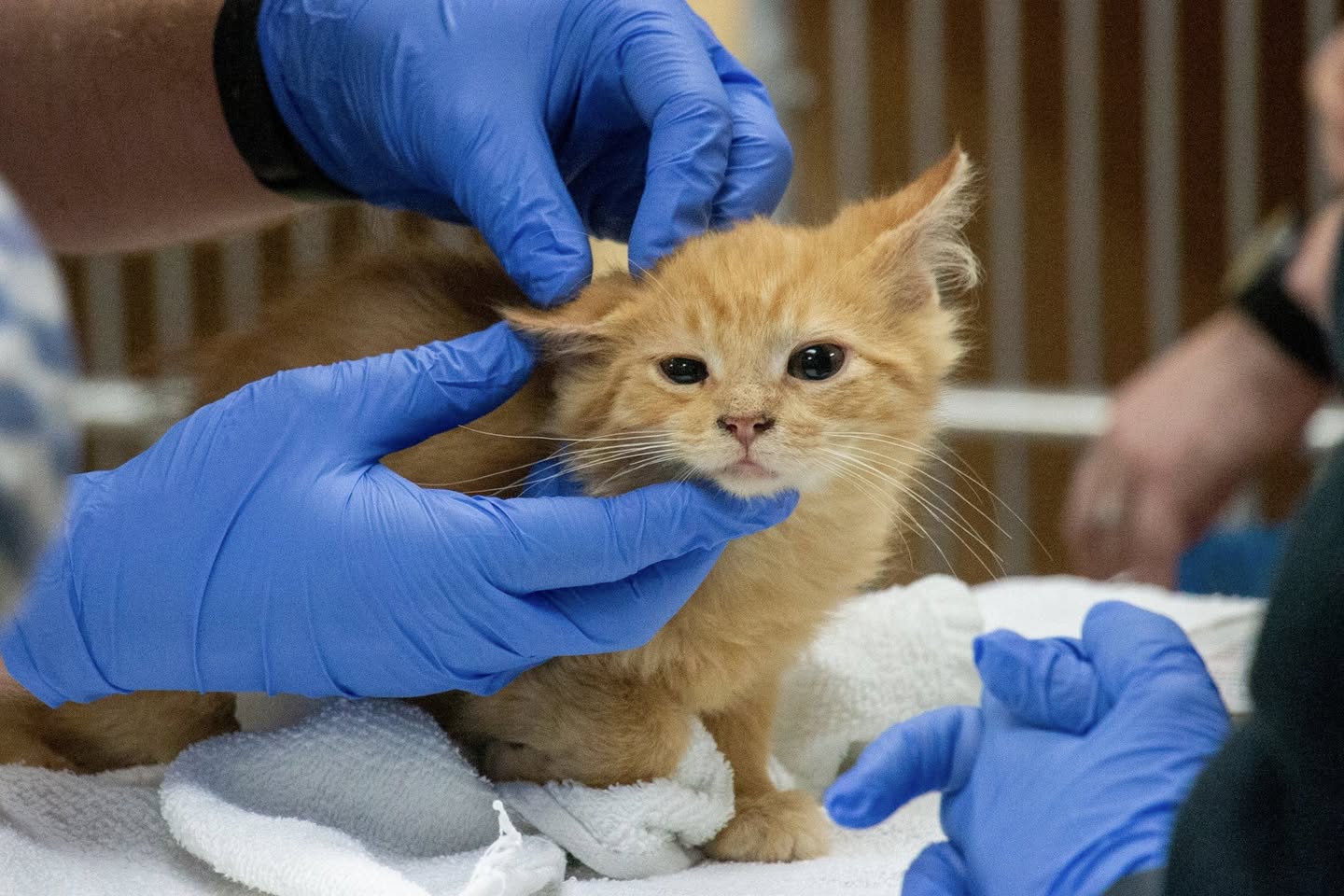
“We rely on the services at the UW in a few different ways. Several of the specialists at the UW have treated rare cases for us like seizures, dermatology issues and more. We also have an amazing partnership with the vet school. The vet school provides us with free/low cost care such as spay surgeries and vaccines clinics in order to give their students opportunities to learn.
Our rescue would not be here without the help of our veterinarians and their support staff. They provide life saving treatments to cats in need and we are so appreciative of their hard work. Veterinary medicine is in high demand and it is often a thankless job. Today we want to say a big THANK YOU to all of our vets!” - Saving Grace Cat Rescue, Inc via Facebook
|
|
|
|
|