|
|
|
|

|
|
|
|
|
|
WisCARES Featured on Spectrum News One Wisconsin
|
|
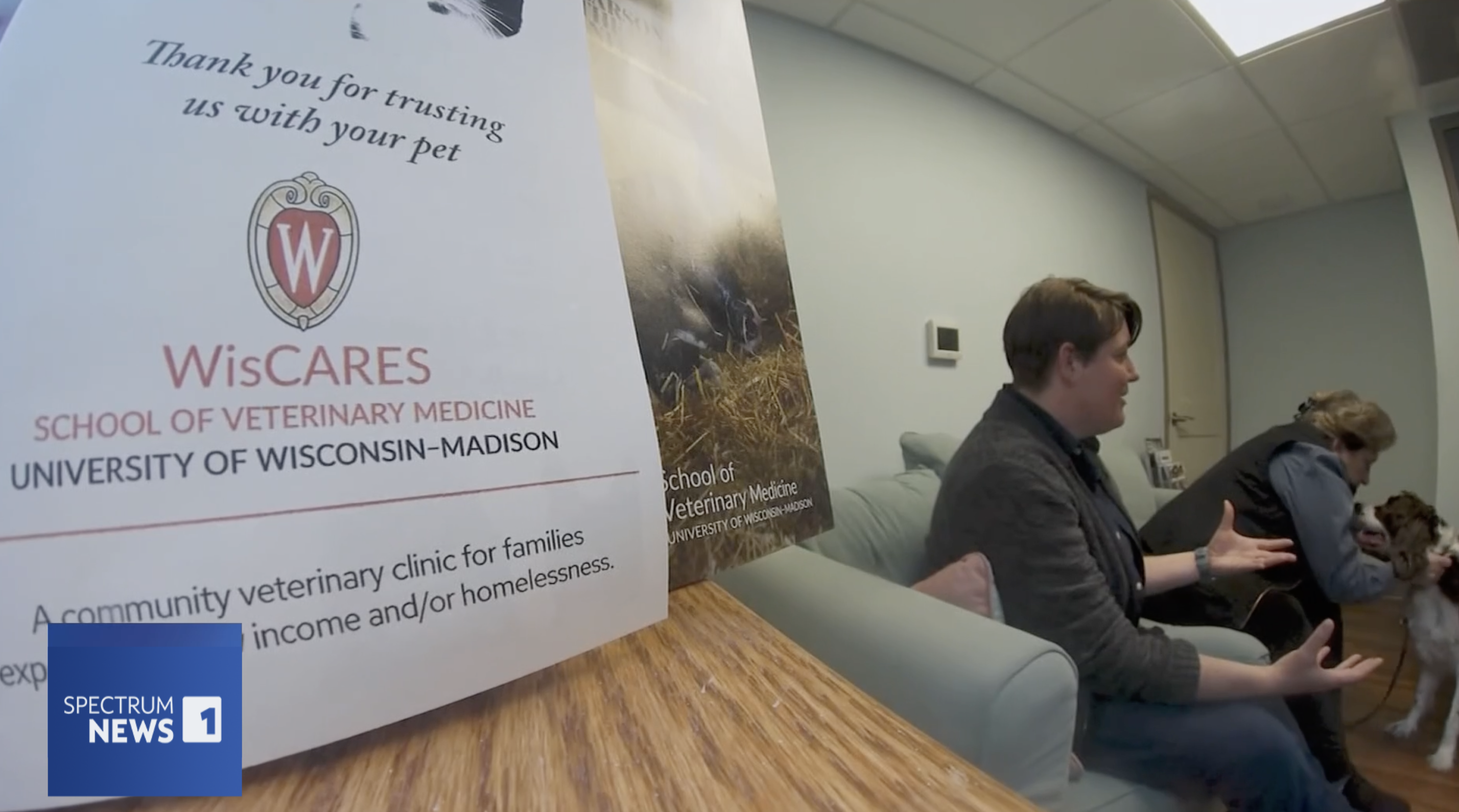
UW School of Veterinary Medicine’s WisCARES clinic (Wisconsin Companion Animal Resources, Education, and Social Services) was recently featured in Spectrum News One Wisconsin’s Everyday Hero series, which celebrates individuals and organizations making a difference in their communities. The story highlights WisCARES’ innovative approach to providing veterinary care, housing support, and social services to pet owners experiencing homelessness or financial hardship. It also emphasizes the clinic’s role in offering valuable clinical rotation experience to students at the UW School of Veterinary Medicine.
The segment also comes on the heels of a major milestone for WisCARES: a $2.18 million grant from Maddie’s Fund®, a national foundation dedicated to improving the well-being of companion animals. This transformative funding will support clinic expansion, enhance services for pet owners in need, increase student training opportunities, and more.
The story includes insights from Kelly Schultz (’05 MS’11 DVM’15), medical director at WisCARES, fourth-year veterinary student Elizabeth Morrow, veterinary assistant Kiera Christiansen, and others working to preserve the human-animal bond during challenging times. Watch/read the full story here.
|
|
|
Beat the Heat: Keep Pets Safe This Summer
|
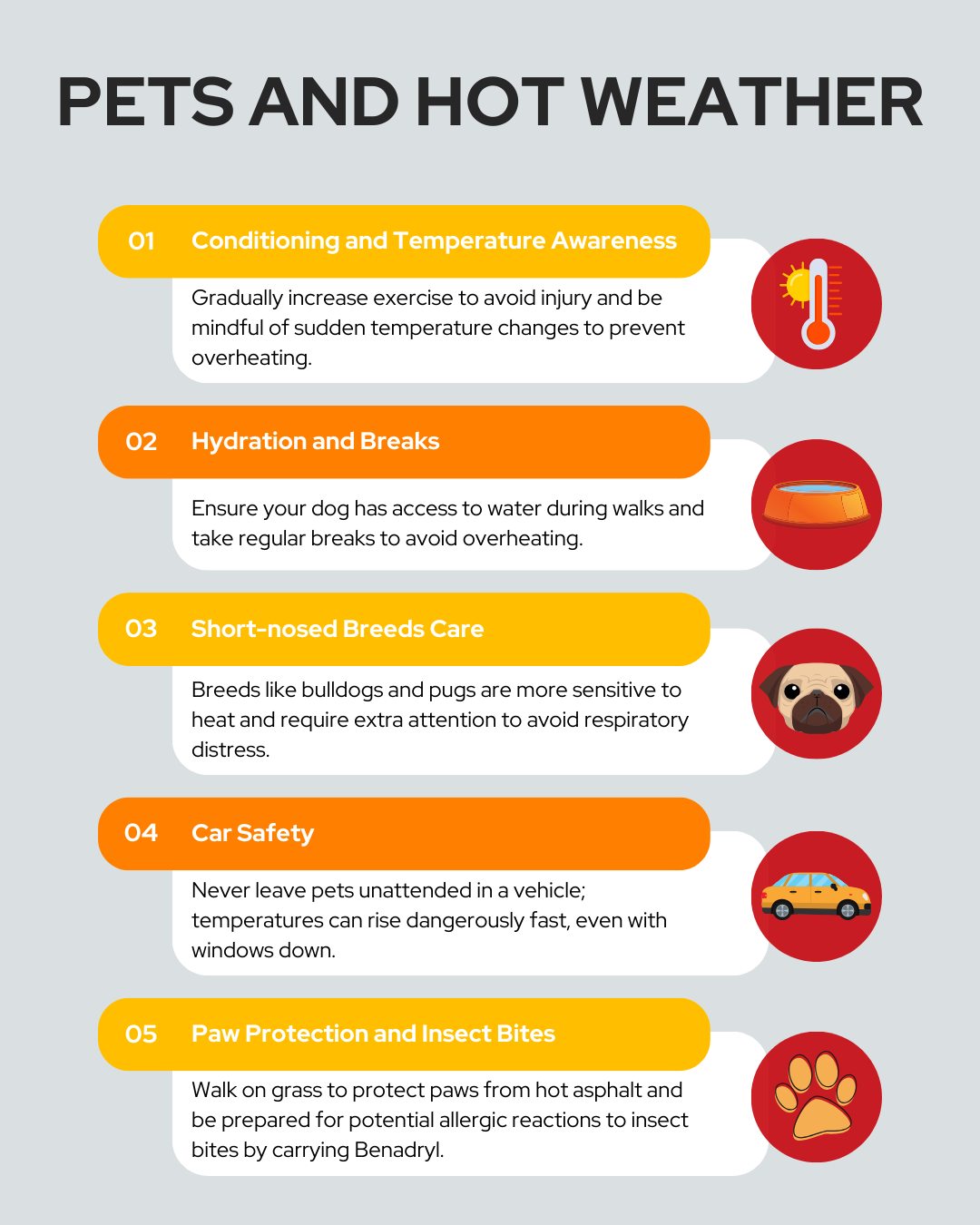
Warm weather brings plenty of opportunities for outdoor fun – but it also increases the risk of heat-related illness in pets. Whether you are heading out for a walk, spending time in the yard, or enjoying other summer activities, it is important to take precautions. Use the chart below to brush up on key tips for keeping your pet cool, hydrated, and safe all season long.
|
|
|
|
Congrats to the Class of 2025;
Welcoming the Class of 2026 to UWVC
|
|
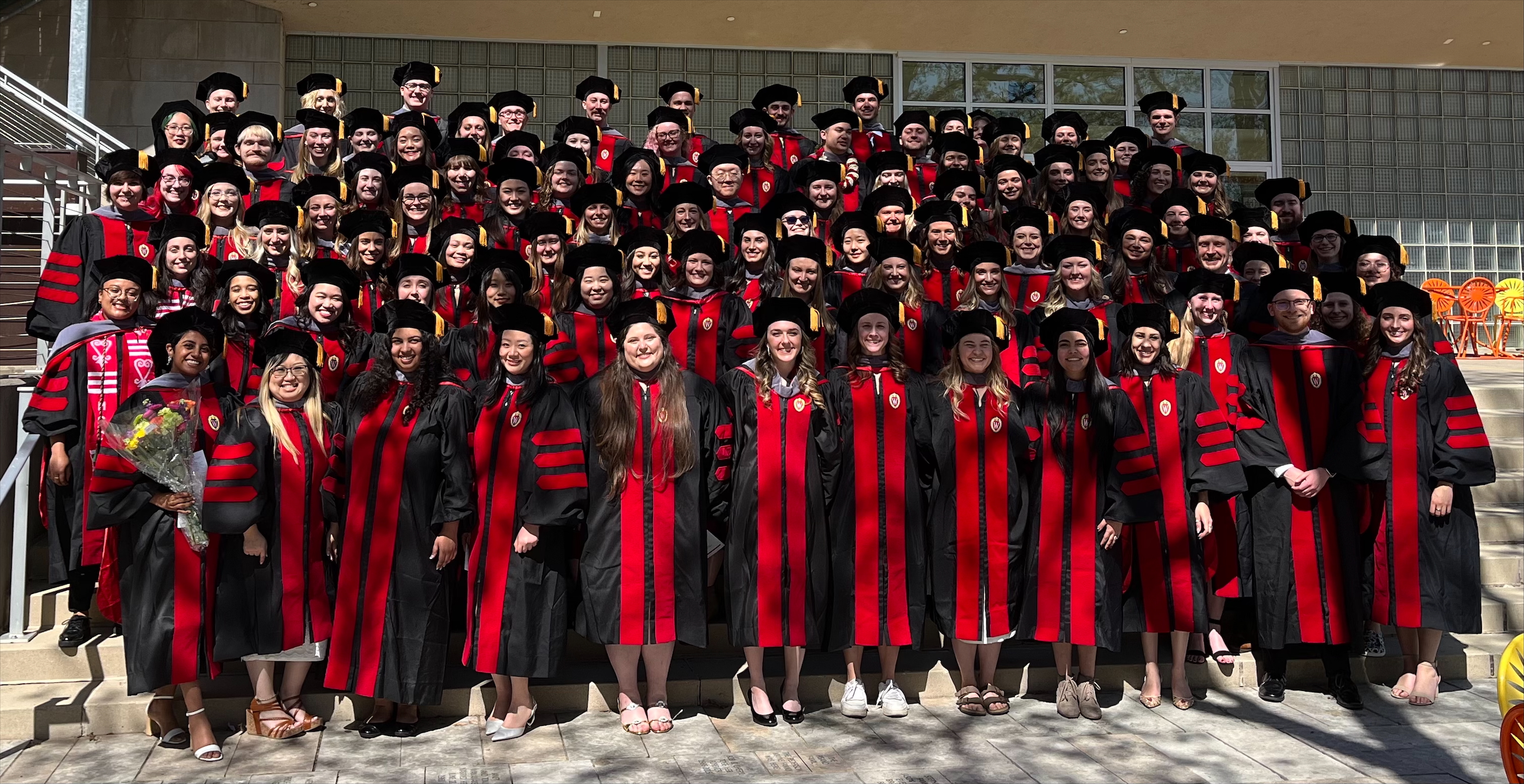
On May 9-10, we proudly celebrated the Class of 2025 during campus commencement and the School of Veterinary Medicine’s Investiture ceremony. Our graduating DVM, PhD, and Master’s degree students are off to their next chapters – ready to flourish and serve the veterinary medicine and biomedical science professions with confidence.
The next week, our 4th year DVM students – SVM’s Class of 2026 – began their clinical rotations at UW Veterinary Care! Over the next 12 months, they’ll apply everything they’ve learned to real-world cases, working alongside faculty and staff to care for patients and support clients. We’re excited to have this group on board and are excited to foster their development as they train to become the next generation of trusted veterinarians.
|
|
|
Shelter Me: The Cancer Pioneers - Now Streaming and Airing on PBS
|
|
David Vail (Department of Medical Sciences) of the UW School of Veterinary Medicine is featured in Shelter Me: The Cancer Pioneers, a new PBS documentary highlighting how dogs with cancer are helping to advance treatments that are saving both human and animal lives. Part of the Emmy Award-winning Shelter Me series, the film explores the emerging field of comparative oncology, where clinical trials for dogs are leading to breakthroughs in immunotherapy and advancing cancer care for all.
The episode includes contributions from experts at the National Cancer Institute, National Institutes of Health, University of Wisconsin–Madison, and other leading institutions. It is now available to stream for free on the PBS website and app, with broadcasts continuing nationwide throughout the year.
|
|
|
Thank You for Supporting Pet Week
|
|
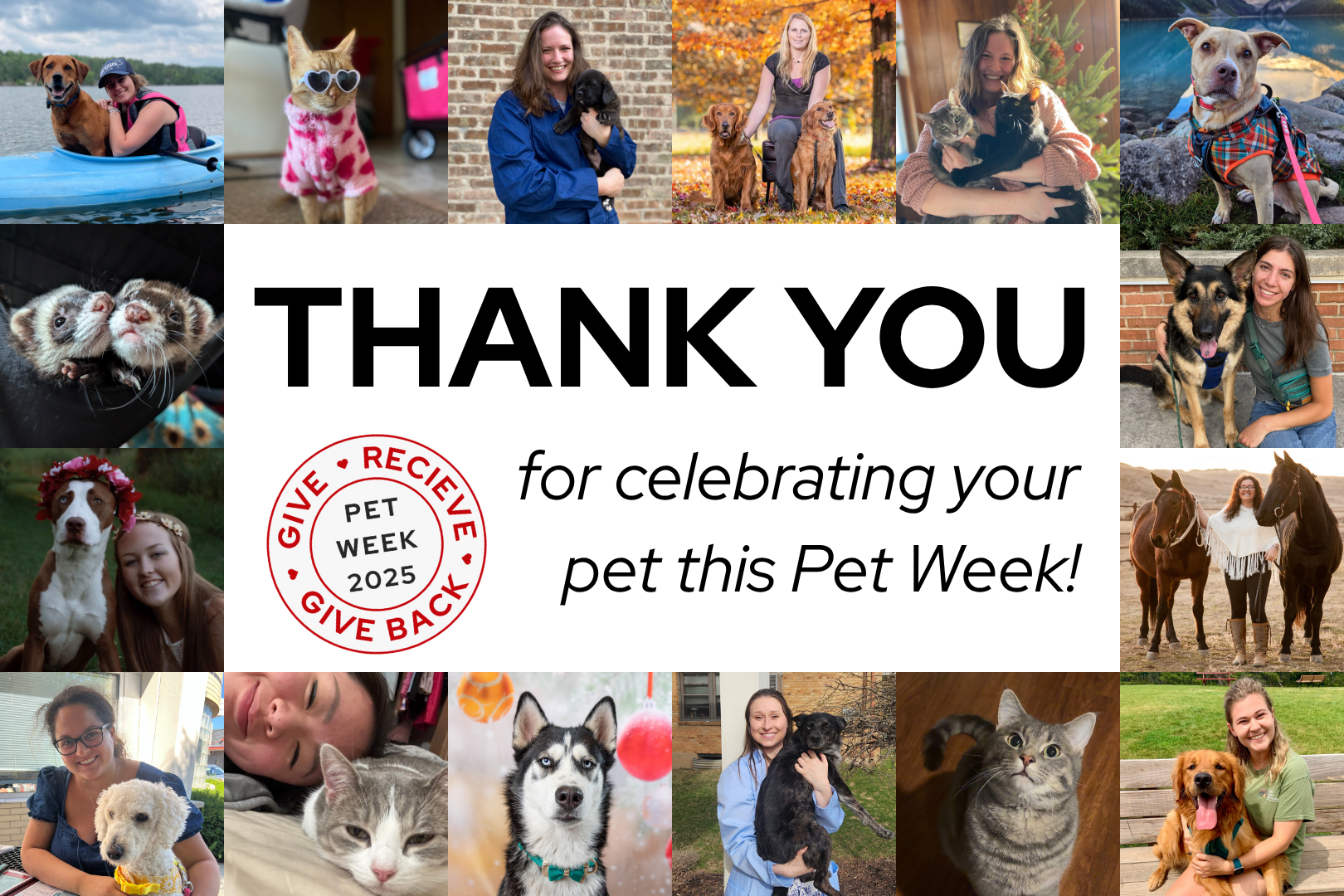
Earlier this month, we spent a week celebrating the unconditional love pets bring to our lives during Pet Week 2025. Your support helps the UW School of Veterinary Medicine provide life-saving care, advance clinical research, and train the next generation of veterinary professionals.
It’s not too late to make an impact. Visit the Pet Week website to learn more and support our mission today.
|
|
|
|
|
Working to Improve the Health of Pets and People
|
|
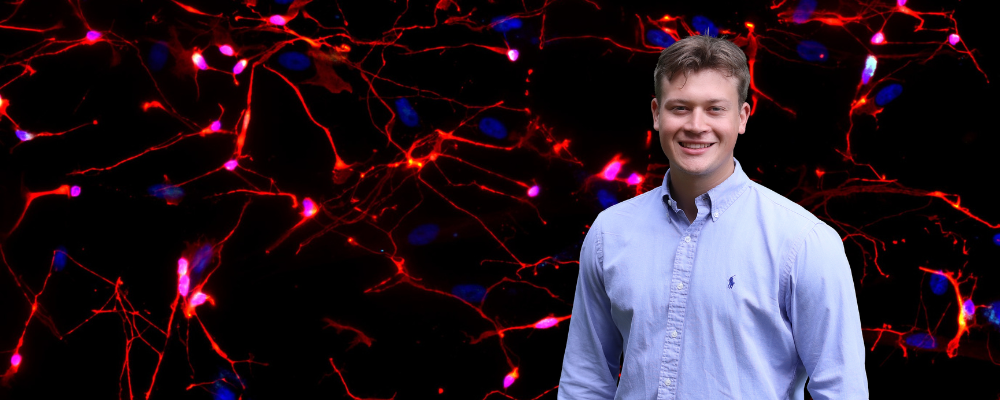
Labrador Retrievers often experience a condition called laryngeal paralysis (or LPN), which causes nerve damage and muscle weakness as they age. It turns out this disease looks a lot like a group of nerve disorders in humans – and current research at the School of Veterinary Medicine is helping work toward new treatments.
That’s where Ryan Anderson, a veterinary student and PhD researcher at the SVM, comes in. He earned a prestigious NIH Fellowship to study LPN in dogs and how it relates to similar conditions in people. Ryan is using advanced lab tools, including a method that turns skin cells from dogs into nerve cells, to understand how and why nerves start to break down. His work aims to develop better treatments for both dogs and people.
“This project will help us connect what we learn in dogs to future clinical trials in humans,” he says. Read the full article about Ryan’s work, which appeared in our Spring issue of On Call magazine.
|
|
|
Become a Citizen Scientist with the Tick App
|
|
As summer activities ramp up across Wisconsin, so does the risk of encountering ticks and tick-borne diseases. The Tick App is a free mobile tool that helps you stay informed and protected while contributing to vital research.
You can even submit a photo of a tick and have it identified by experts. The app also shares alerts on tick activity trends in Wisconsin. By logging your tick encounters and completing brief surveys, you can play a direct role in research that helps shape better prevention strategies, keeping both you and your pets safer outdoors.
|
|
|
New Clinical Study: Cats with a History of Urinary Tract Stones
|
|
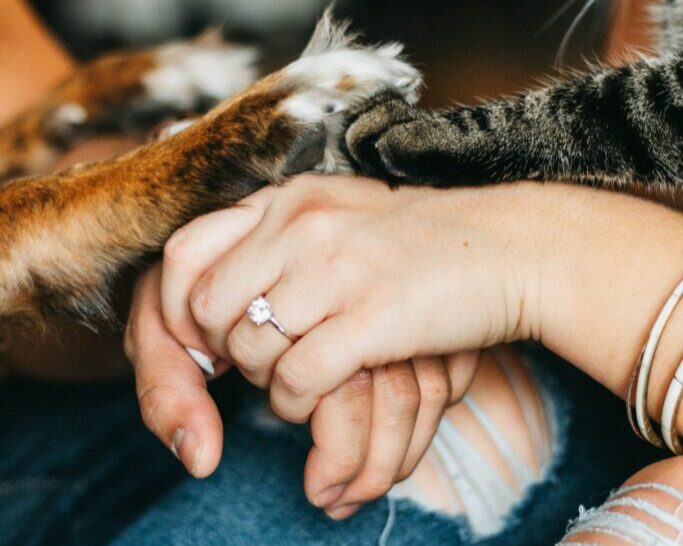
The UW Veterinary Care Clinical Studies department is seeking cats with a history of urinary tract stones for a new Internal Medicine study. The study will explore whether drinking distilled water can help reduce urinary mineral excretion. Participants will receive a free urinary mineral analysis for their cat.
To view all small animal patients needed for clinical studies in May 2025, click here.
|
|
|
|
|
|
|
Highlights from your social media mentions of UW Veterinary Care
and the UW School of Veterinary Medicine
|