UWVC histology lab leading the way in cancer detection
|
|
|
|
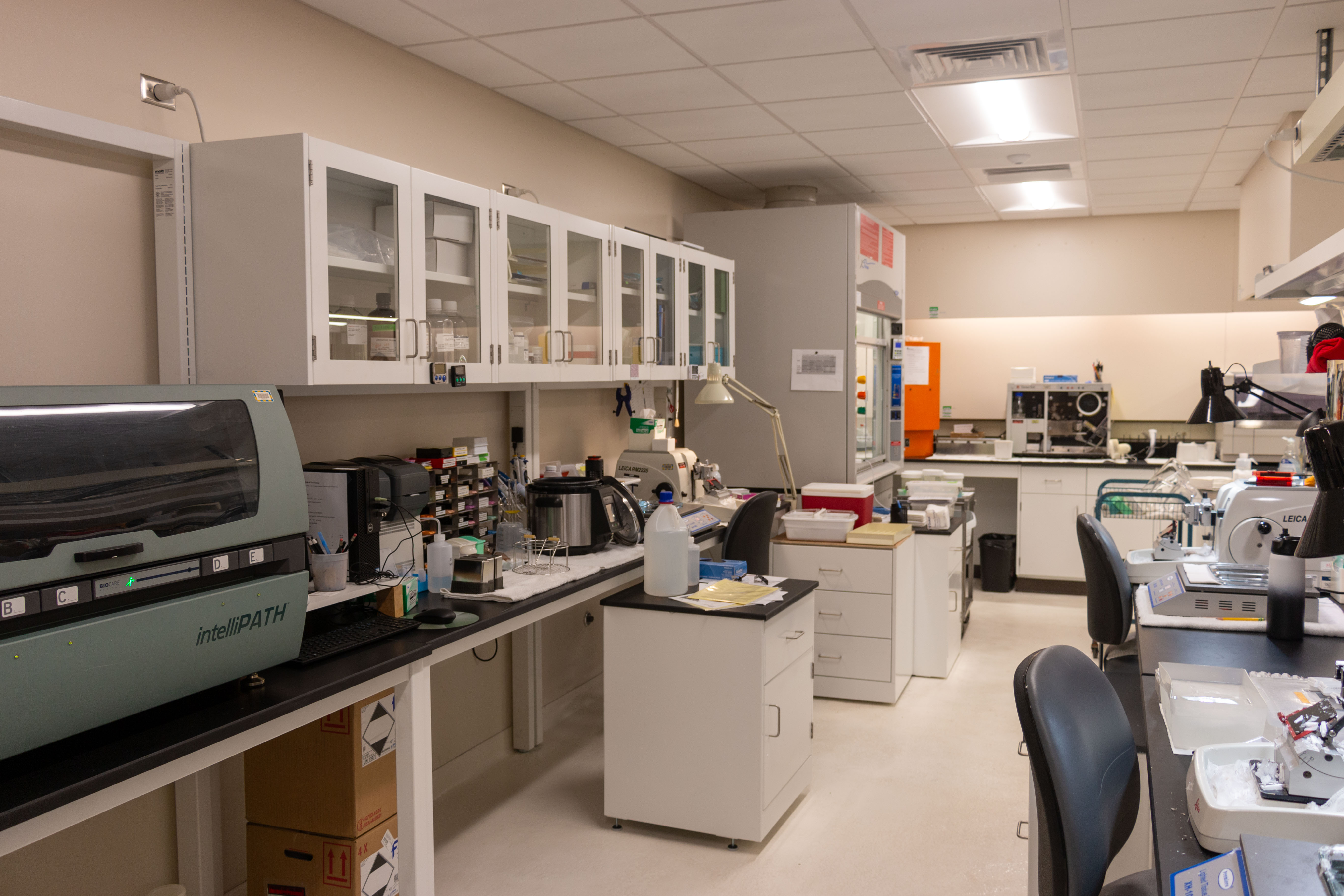
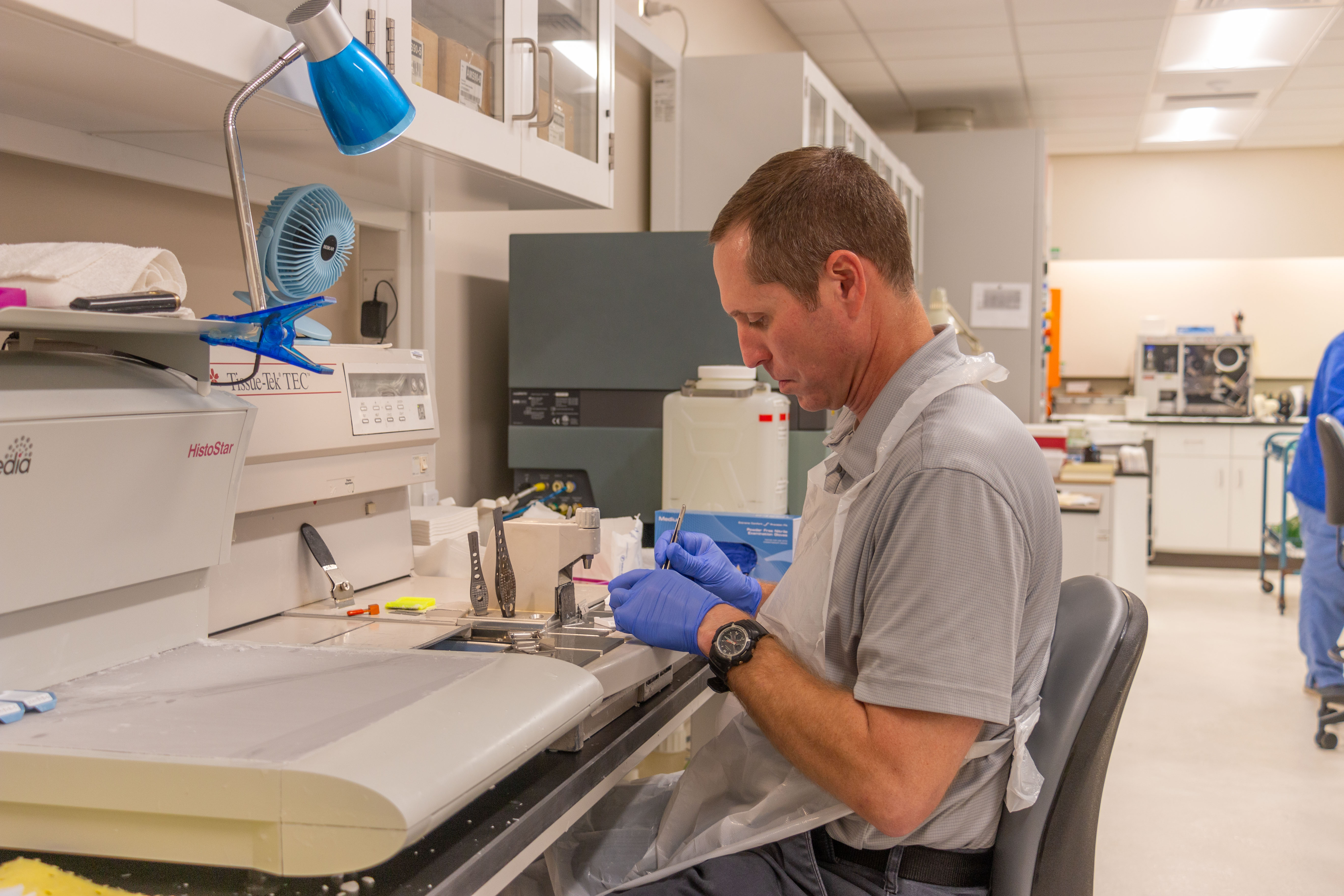
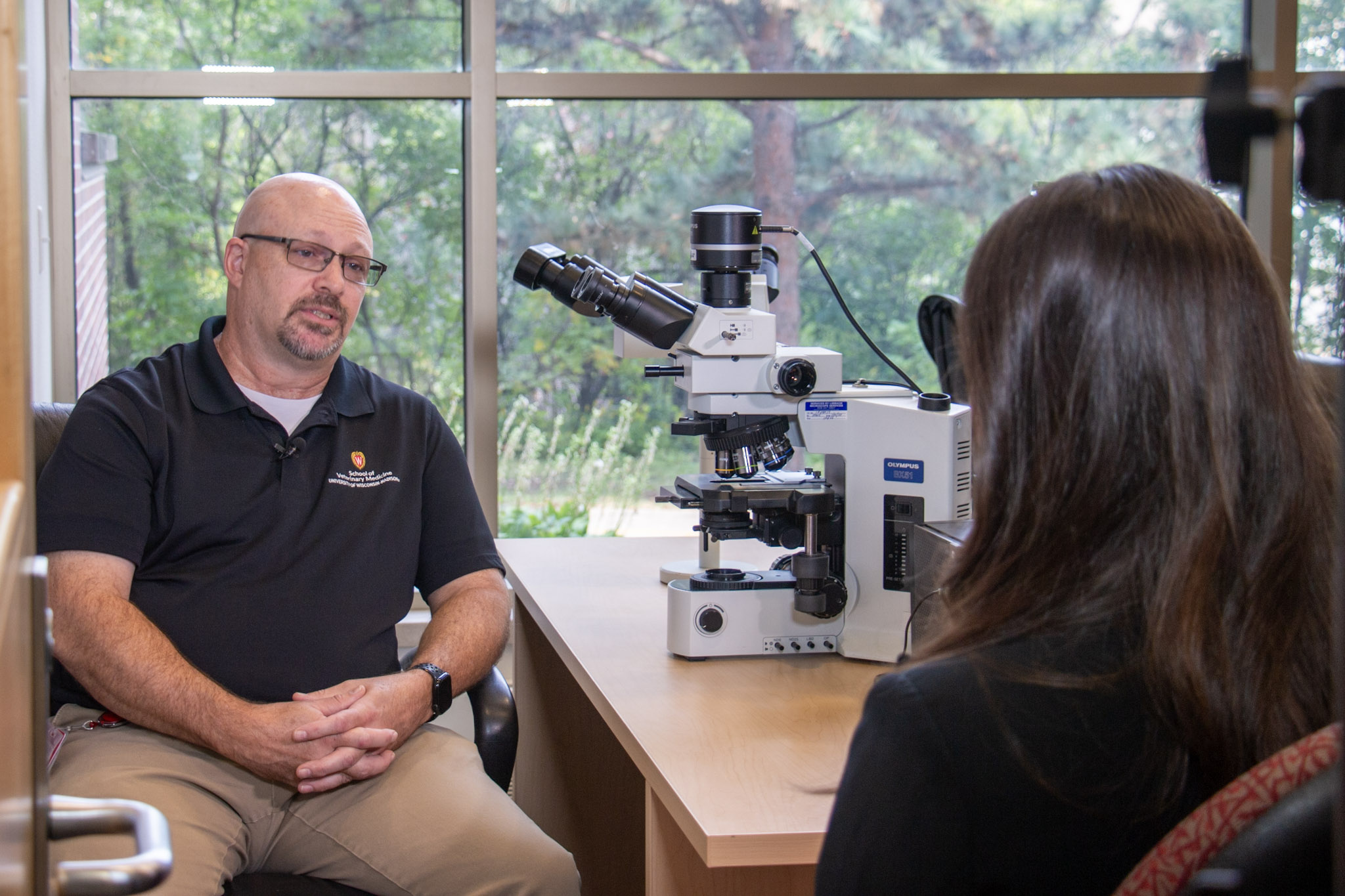
UWVC’s histology lab, part of the hospital’s anatomic pathology service, has played a key role in tissue diagnostics for animals — from pets to farm and zoo animals — for more than 40 years. Now housed in a newly renovated space, the lab processes more than 150 samples daily, supporting both clinical care and leading-edge research.
Staffed by certified histology technicians, UWVC’s histology lab is Wisconsin’s leading provider of immunohistochemistry (IHC) for animals. IHC is an advanced cancer diagnostic tool that can reveal tumor type, origin, and malignancy. The lab technique, which has long been used in human medicine, plays a key role in the hospital’s ability to deliver comprehensive cancer care.
The histology lab also plays a vital role in UW–Madison’s research community, offering scientists from across campus specialized testing and expertise to help advance groundbreaking discoveries.
|
|
|
|
|
|
Festive fun can turn toxic for pets: what to watch out for this holiday season
|
|
|
|
|
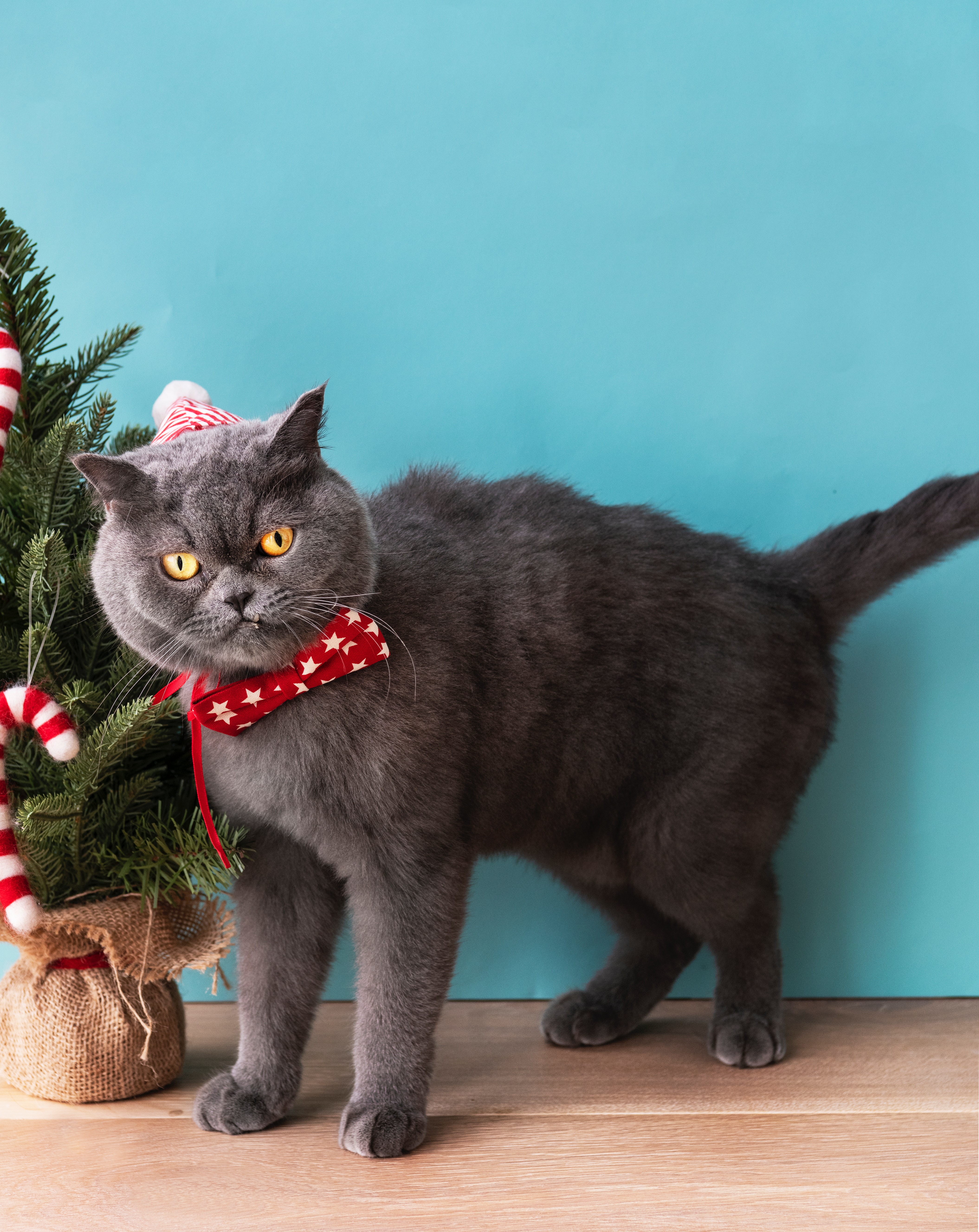
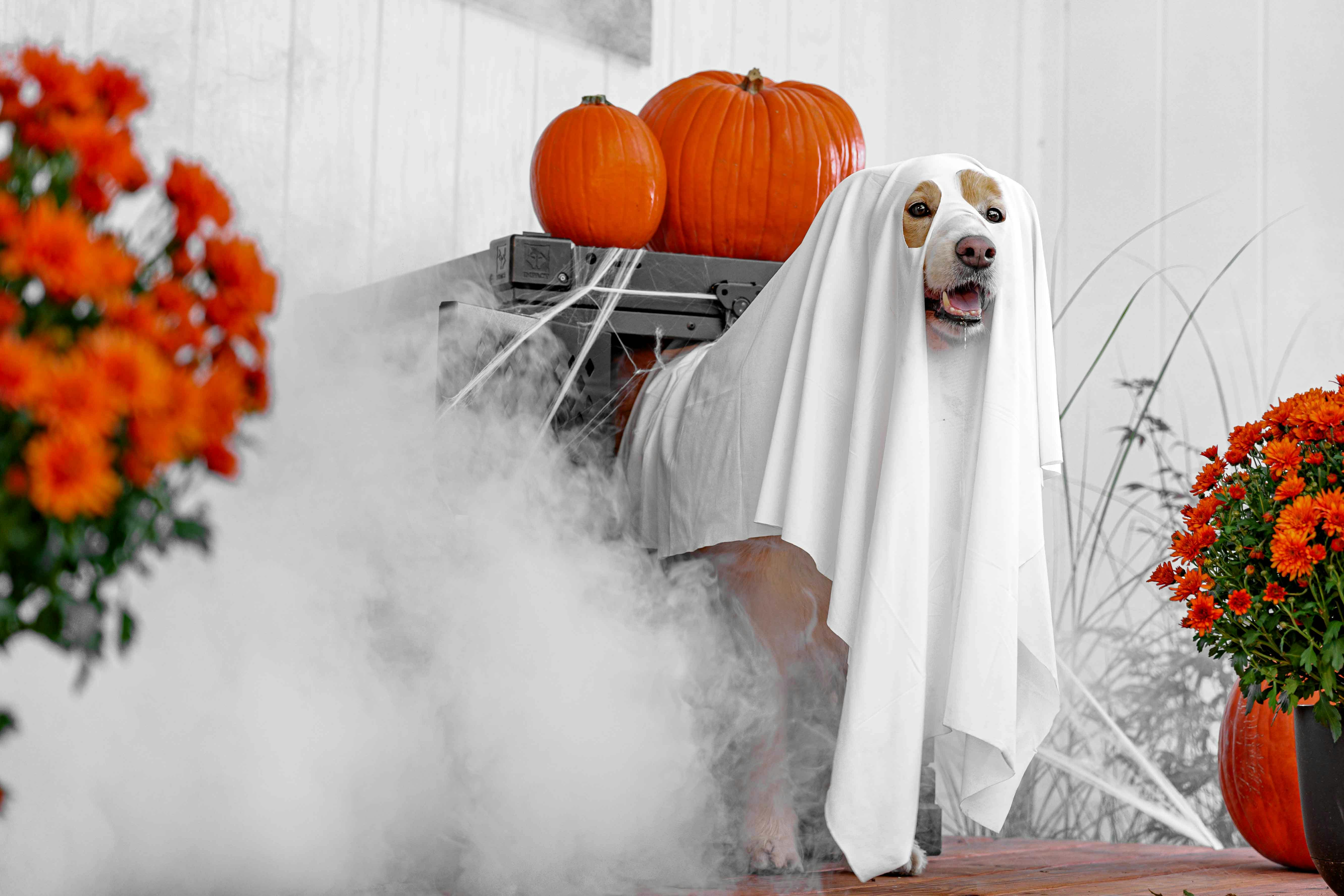
As fall festivities ramp up, pet owners should be aware of seasonal hazards that can lead to emergency vet visits. From Halloween candy and Thanksgiving leftovers to holiday decorations, common items ranging from chocolate to onions to lilies pose serious risks. UWVC experts emphasize quick action if ingestion occurs. Symptoms such as vomiting, diarrhea, and lethargy are key warning signs. Treatments at UWVC range from decontamination to advanced therapies like hemoperfusion, ensuring pets receive tailored, critical care. Read more here.
|
|
|
Short survey: We want to hear from you!
|
|
|
|
We all know what it’s like to live with information overload, so our communications team works hard to ensure what we share is relevant and interesting. We’re continually looking for ways to improve how we deliver news and information to our various audiences. Your opinion helps! If you can spare five minutes, please take this brief survey. Thank you in advance for your time and for sharing your thoughts.
|
|
|
|
|
|
|
|
Wanted: Cats with kidney infections for clinical study
|
|
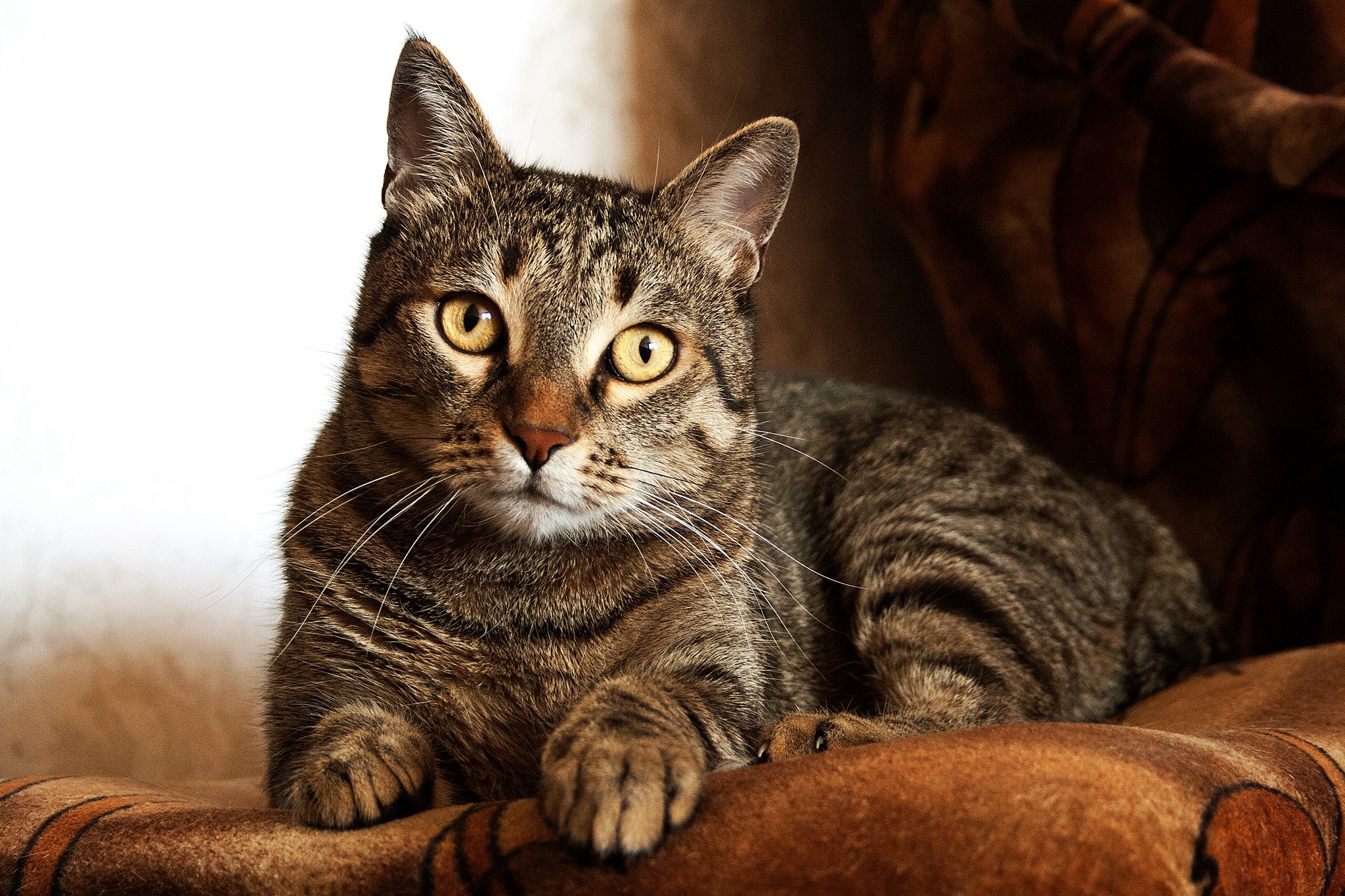
The UW Veterinary Care Clinical Studies department is seeking participants for a study investigating whether a systemic biomarker, serum amyloid A (SAA), can help determine when to stop antibiotic treatment in cats diagnosed with a kidney infection.
Cats with a working diagnosis of kidney infection (pyelonephritis), which may include those with newly elevated kidney values or a history of chronic kidney disease, are eligible to participate.
After being diagnosed with a kidney infection and electing to enroll in the study, cats will have weekly follow-up visits during antibiotic treatment and another visit three weeks after antibiotics are complete to ensure there is no evidence of infection recurrence.
Pet owners are responsible for the cost of diagnostics required to determine eligibility and any associated hospitalization costs. Once enrolled, the study will pay for SAA testing and study-related re-evaluations, including bloodwork, urine tests, and blood pressure assessments.
To learn more about this study, contact Crystal Ma (cxma@wisc.edu) or Amy Elbe (clinicalstudies@vetmed.wisc.edu, 608-890-0422).
|
|
|
|
Tips to ease separation anxiety in pets
|

|
Is your pet struggling with the back-to-school blues? As routines shift and homes quiet down, many dogs and cats experience separation anxiety — and the signs aren’t always obvious. From clingy behavior to unexpected messes, your furry friend may be telling you they’re stressed. UWVC’s Amy Nichelason (Department of Medical Sciences) shares expert advice on how to spot the symptoms early and ease the transition with simple, vet-approved strategies. Whether you're a seasoned pet parent or just learning , this guide offers practical tips to keep tails wagging in the right direction. Read more here.
|
|
|
|
|
|
Save the date for a festive fundraiser at Tabby & Jack's
|
|
|
|
Mark your calendars: On Sunday, Nov. 23, join Friends of WisCARES at Tabby & Jack's Pet Supplies (1892 E. Washington Ave.) for a festive fundraiser.
The event will run from 11 a.m. to 4 p.m. and offers guests the opportunity for pet pics with Santa as well as other festive activities and treats.
Proceeds from the event will support WisCARES, the SVM’s community veterinary clinic for families experiencing low income and/or homelessness.
|
|
|
|
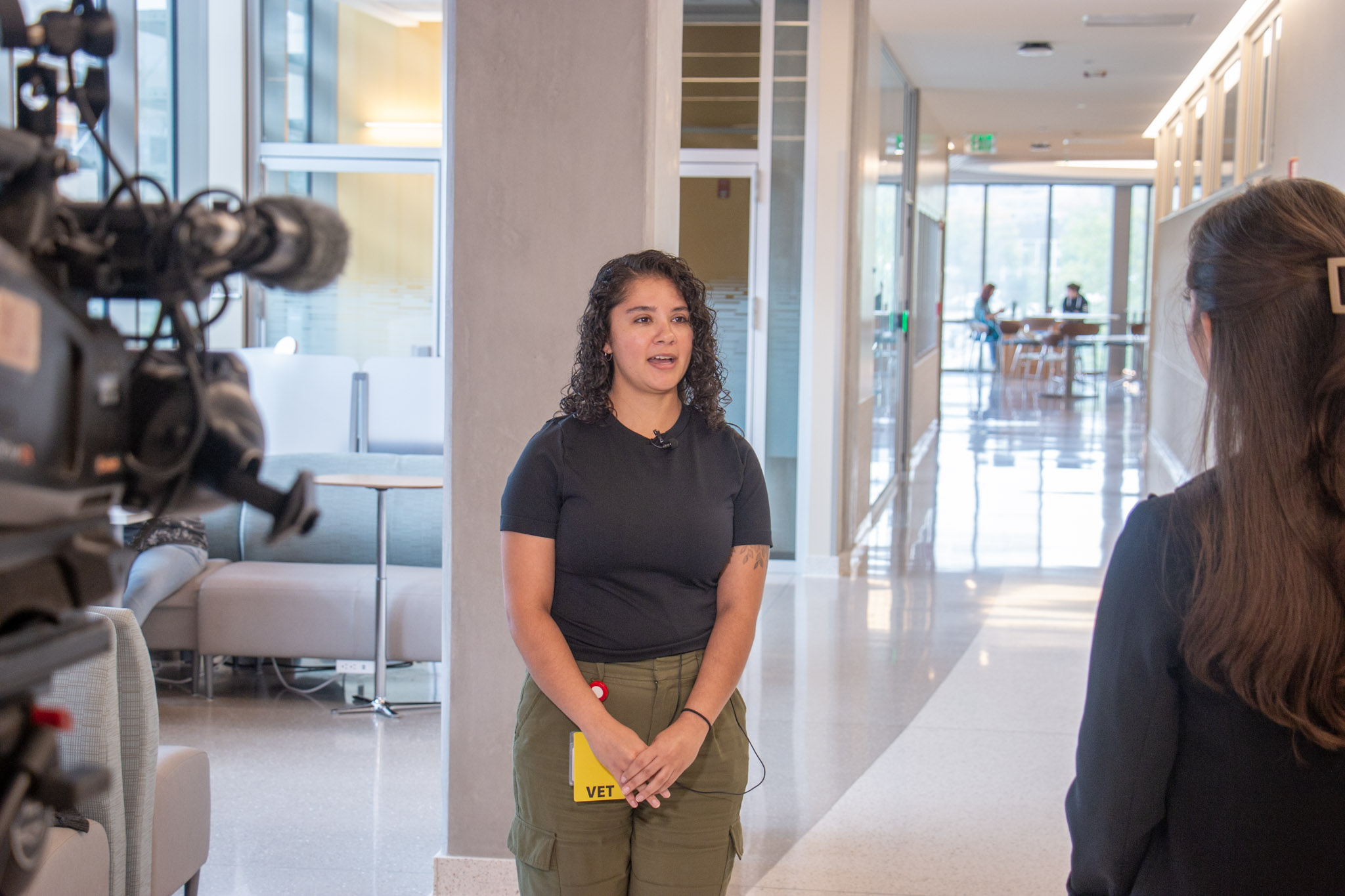
- David Gasper (PhD’15, Department of Pathobiological Sciences) and anatomic pathology resident Dalia Badamo were featured in a recent CBS58 story about the SVM’s work on a necropsy following the death of Ruth, a 43-year-old elephant at the Milwaukee County Zoo. The necropsy will help determine what contributed to her failing health.
- Calico Schmidt (’88 DVM’92; Department of Pathobiological Sciences) spoke The Farmer’s Dog Digest about how long it takes for objects to pass through a dog’s digestive system. If your dog eats something they shouldn’t Schmidt recommends calling your veterinarian right away.
- Elias Wolfs (Department of Surgical Sciences) and fourth-year student Ethan Elazegui (DVMx’26) were featured on a recent episode of the Veterinary Vertex Podcast. They discussed their research on vital pulp therapy in dogs.
- Research conducted by Mackenzie Pellin (’06 DVM’11; Department of Medical Sciences) that suggests dogs can be trained to detect cancer biomarkers in other dogs’ saliva was cited in a recent Healthcare Brew story. The piece examines efforts from a UK charity to develop an “e-nose” to help detect cancer.
- Keith Poulsen (’00 DVM’04 PhD’12; Department of Medical Sciences; director, Wisconsin Diagnostic Veterinary Laboratory) spoke with NBC15 about a recent avian flu outbreak among two poultry flocks in Jefferson County.
|
|
|
|
|
|
|
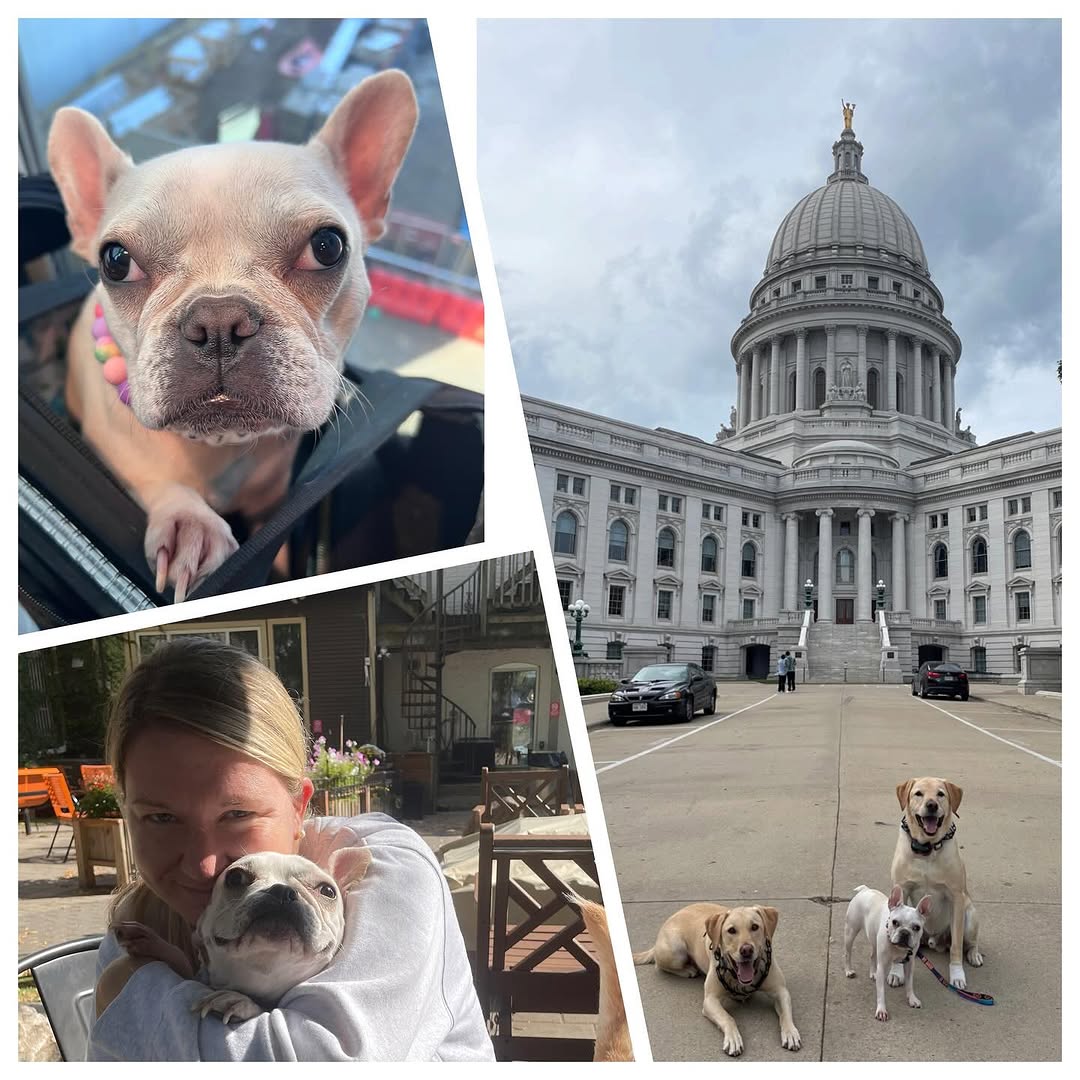
“Family day in Madison at @uwvetmed for Violet’s 6 month checkup. Thanks for taking such good care of this little girl 💜.”
|
|
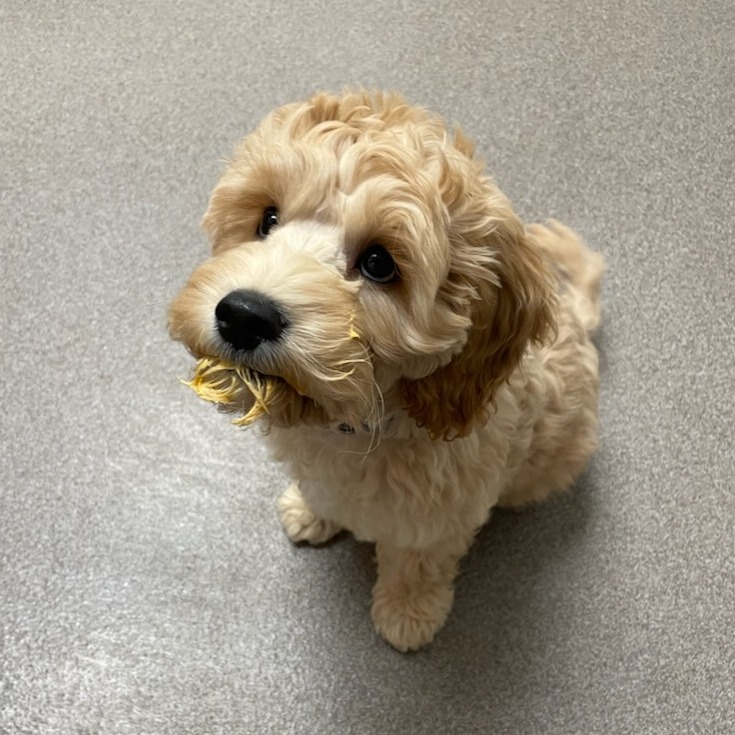
“Ty was a very good boy at his vet visit yesterday! We want to thank UW Veterinary Care for covering his vet care.”
-- Baraboo Police Department on Facebook
|
|
|
|
|