|
CCMA 2026: Building Community Through Cooperation
|
|
|
|
At the end of May, grocery cooperative leaders from across the United States gathered in Tacoma, Washington, for the Consumer Cooperative Management Association’s (CCMA) 2026 conference. This year’s theme celebrated how cooperatives—grounded in democratic ownership—spark positive change and strengthen communities through the ripple effects of collective action. When cooperatives join forces, their impact grows. Together, they help build resilient food systems, keep wealth rooted locally, and advance community well-being.
|
|
|
|
Hosted by the UW Center for Cooperatives (UWCC) in partnership with Puget Sound–area co-ops and regional partners, CCMA 2026 brought together 375 leaders from 91 food cooperatives nationwide. Host partners included Central Co-op, Olympia Food Co-op, PCC Community Markets, The Food Co-op – Port Townsend, Northwest Cooperative Development Center, Kitsap Community Food Co-op, Skagit Valley Food Co-op, and Community Food Co-op.
|
|
|
|
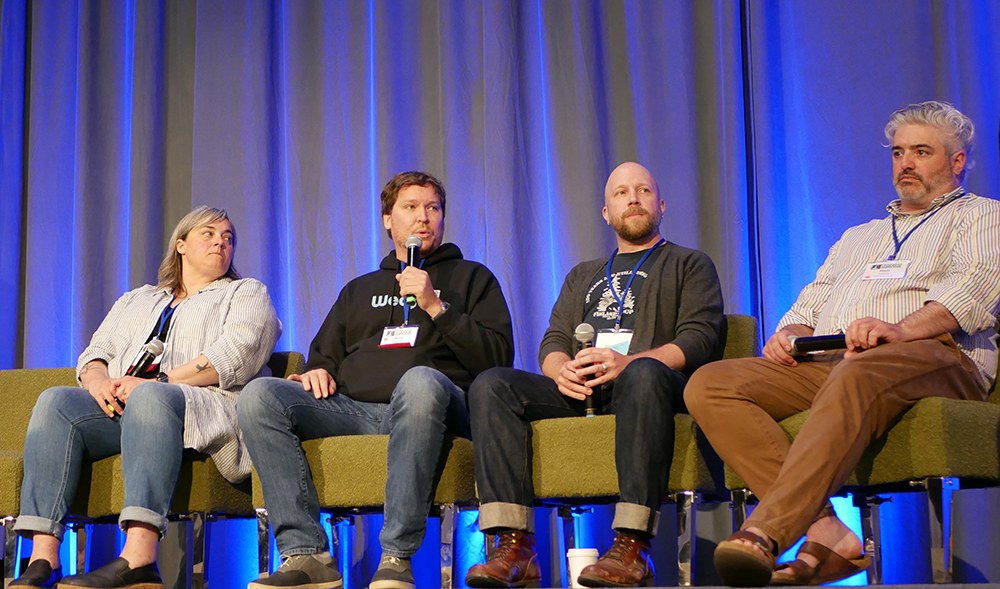
The conference opened with a panel titled Integrity, Care, and Equity Under Pressure, featuring food cooperative leaders from the Twin Cities. Panelists shared how their co-ops navigated increased federal immigration enforcement activity earlier this year, including ICE-related actions affecting their communities. They discussed approaches to policy development, staff support, and leading cooperatives in politically diverse environments. Many noted parallels between these challenges and those faced during the COVID-19 pandemic.
|
|
Anne Gazzola of Eastside Food Co-op, Nick Seeberger of Twin Cities Co-op Partners, Alex Betzenheimer of Seward Community Co-op, and Matt Kappra of Valley Natural Foods
|
|
|
|
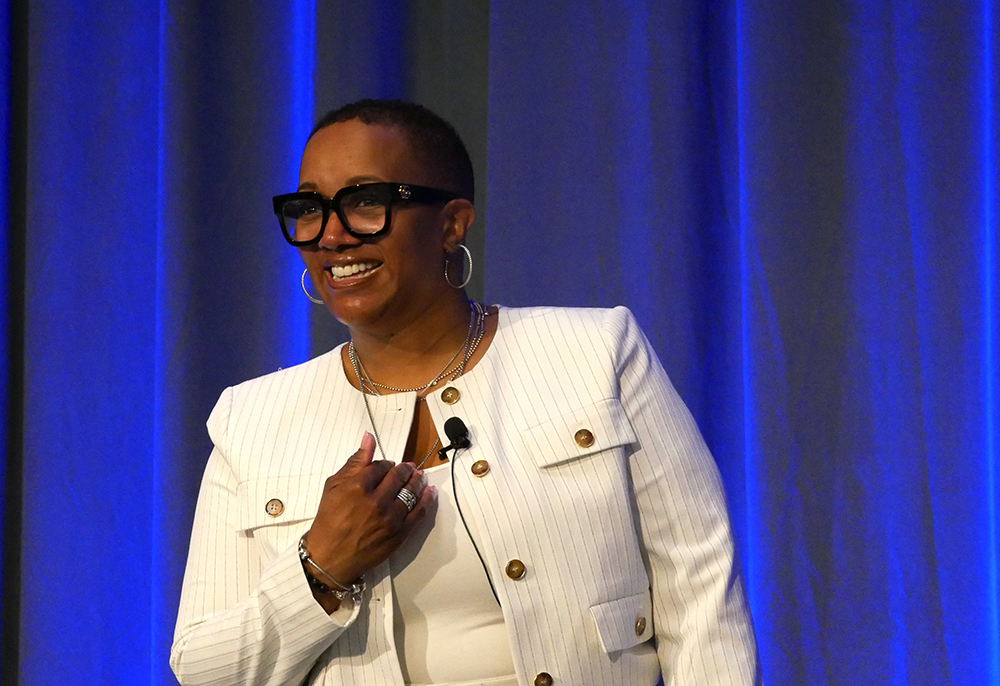
On Saturday, Tandy Harvey, the new CEO of National Co+op Grocers, presented her vision for the future of the business services cooperative serving retail food co-ops nationwide. She emphasized that co-ops have a unique competitive advantage rooted in their collaborative culture—one that prioritizes shared success over competition. Harvey highlighted three key industry trends shaping the future: the value revolution, rising omnichannel expectations, and growing demand for products that support health, sustainability, and ethical values.
|
|
Tandy Harvey of National Co+op Grocers
|
|
|
|
The conference also celebrated excellence across the cooperative sector through the 2026 CCMA Cooperative Excellence Awards, recognizing individuals and organizations making significant contributions to the movement. Award recipients included:
- Cooperative Excellence: Portland Food Co-op (Maine)
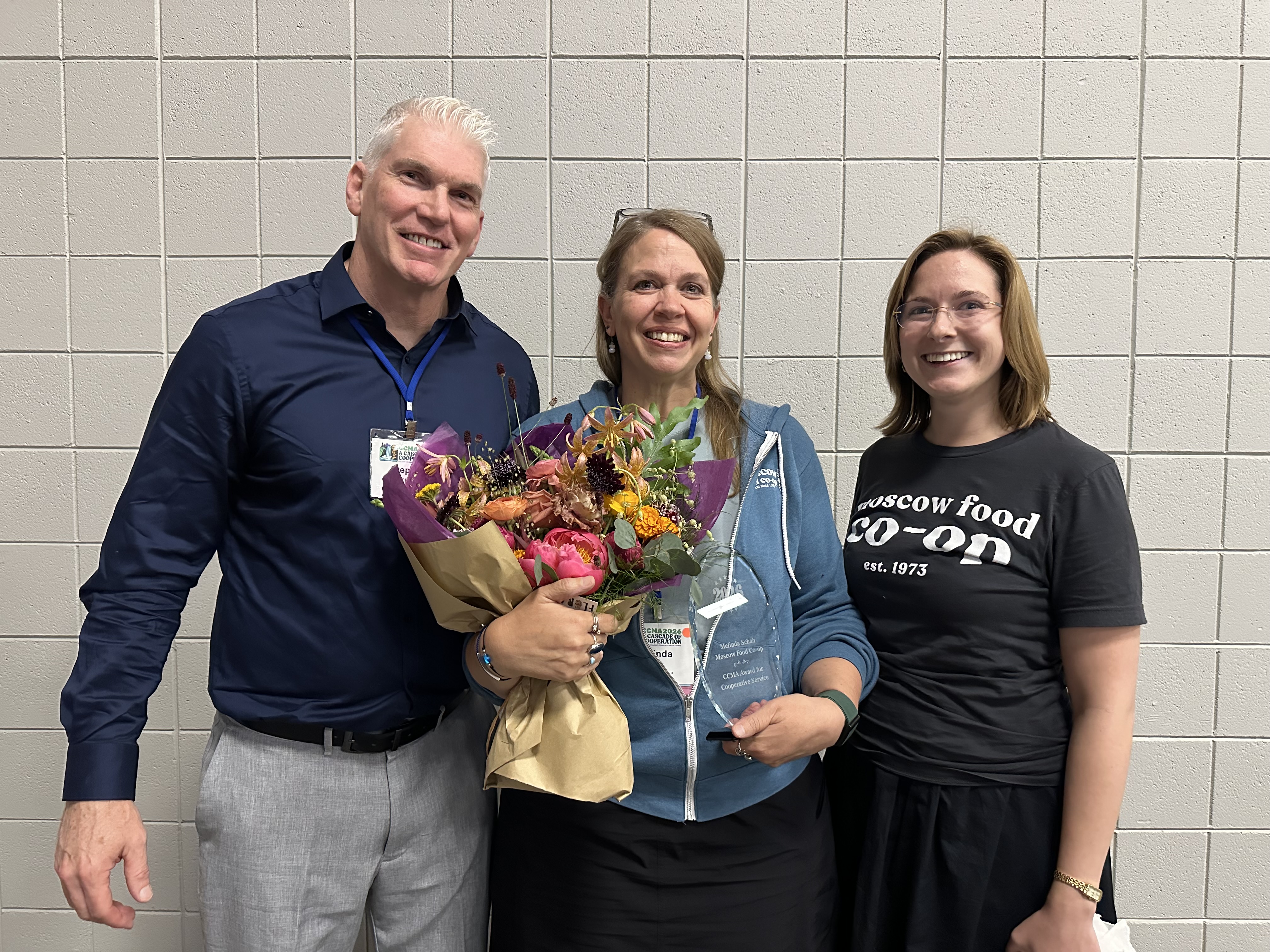
- Cooperative Service Award: Melinda Schab, Moscow Food Co-op (Idaho); Bruce Phlegar, Roanoke Co-op (Virginia)
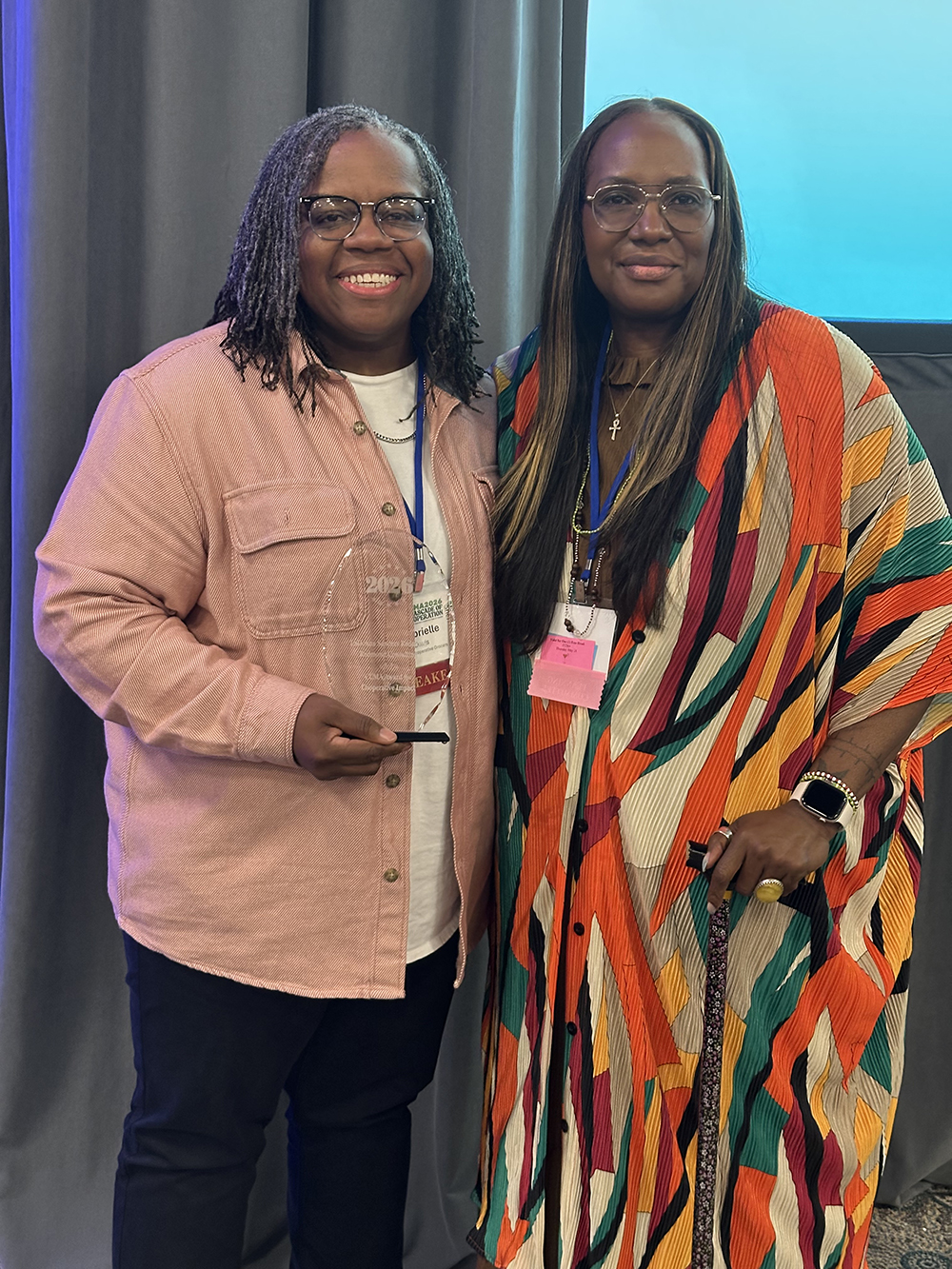
- Cooperative Impact Award: LaDonna Sanders Redmond
- Cooperative Innovation & Achievement: Bruce Mayer, Wegner CPAs
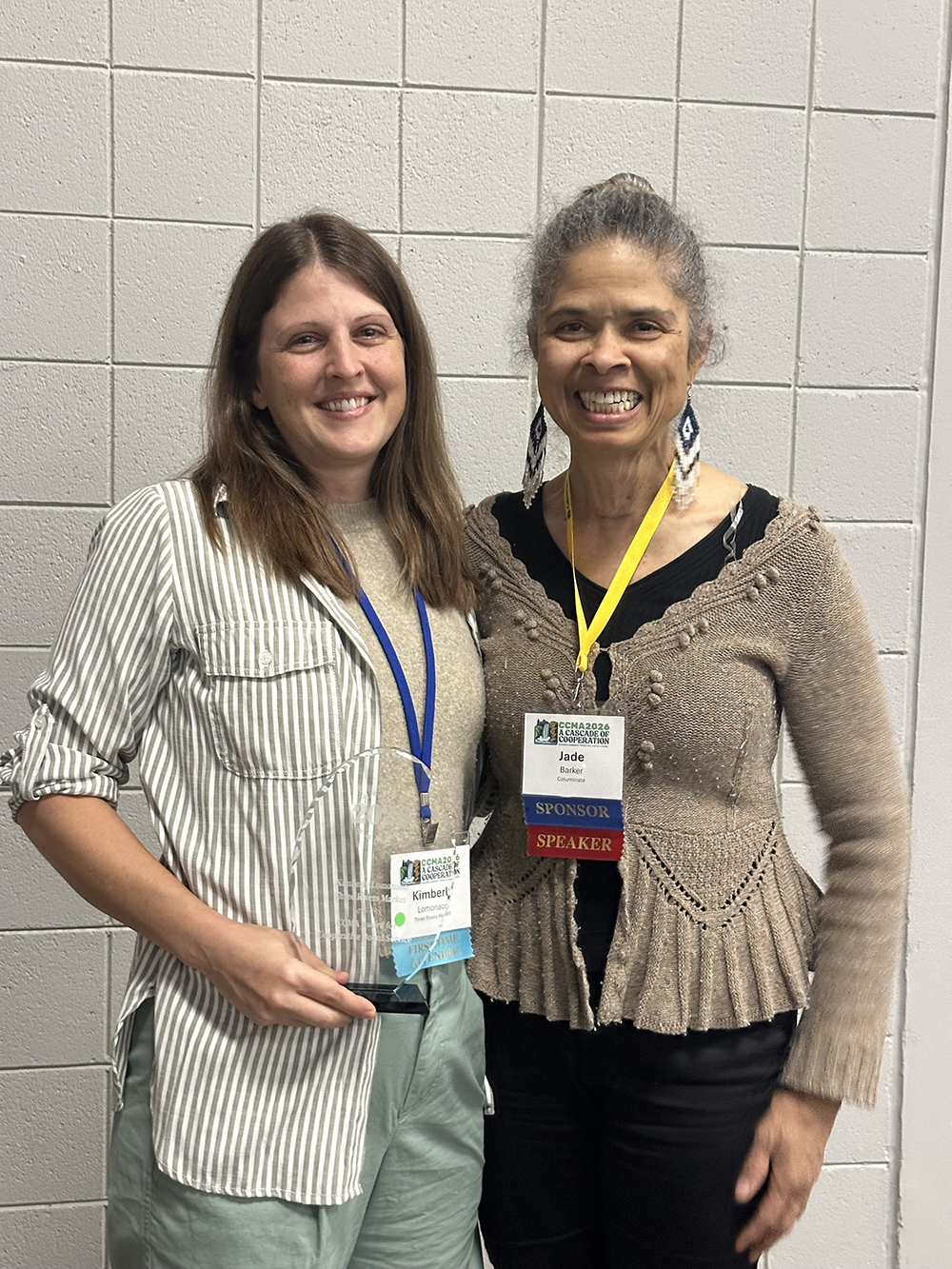
- Cooperative Board Service Award: Kimberly Lomonaco, Board Chair, Three Rivers Co-op (Tennesee)
- Bill Gessner Startup of the Year: Charles River Food Co-op (Massachusetts)
- Food Co-op Startup of the Year: South Philly Food Co-op (Pennsylvania) and Suncoast Market (California)
|
|
|
|
|
Kimberly Lomonaco (left) was awarded the Board Service Award. She is pictured with past winner, Jade Barker (right).
|
|
Gabby Davis (left) presented the CCMA Impact Award to LaDonna Sanders Redmond (right).
|
|
|
|
|
Melinda Schab (center) received the Cooperative Service Award and is pictured with Stephen Barbuto (left) and Sarah Tucker (right) of Moscow Food Co-op.
|
|
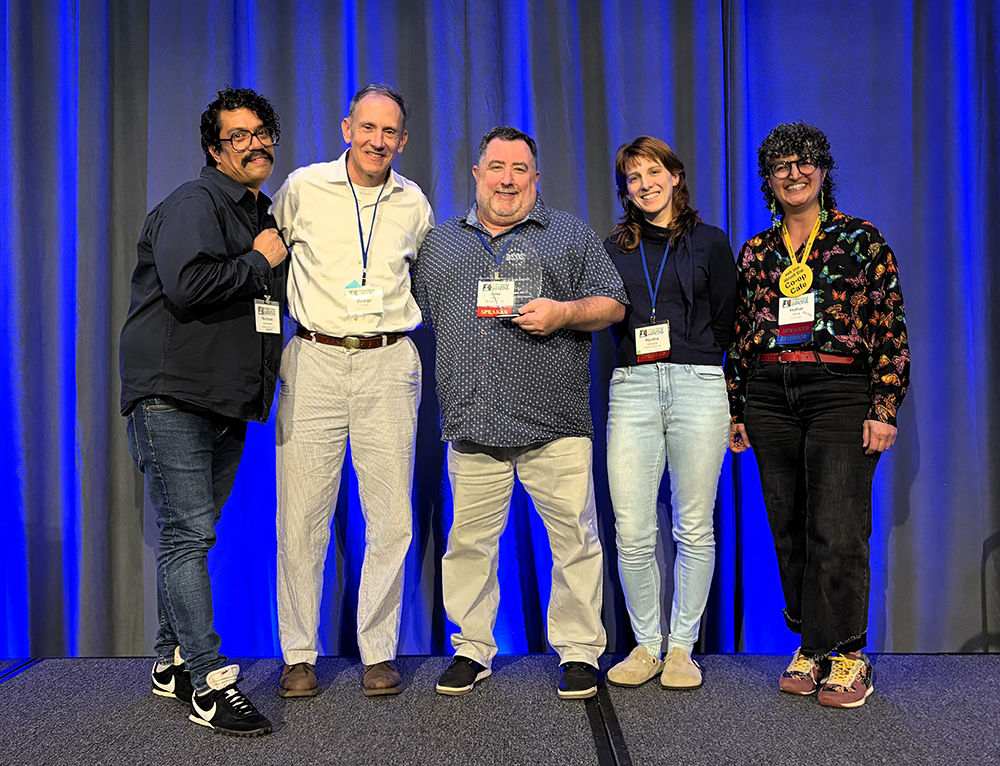
Portland Food Co-op won the Cooperative Excellence Award. Picture l-r: Norman Gonsalves, George Giese, John Crane, Martha Lefebvre, and Hether Jonna.
|
|
|
|
|
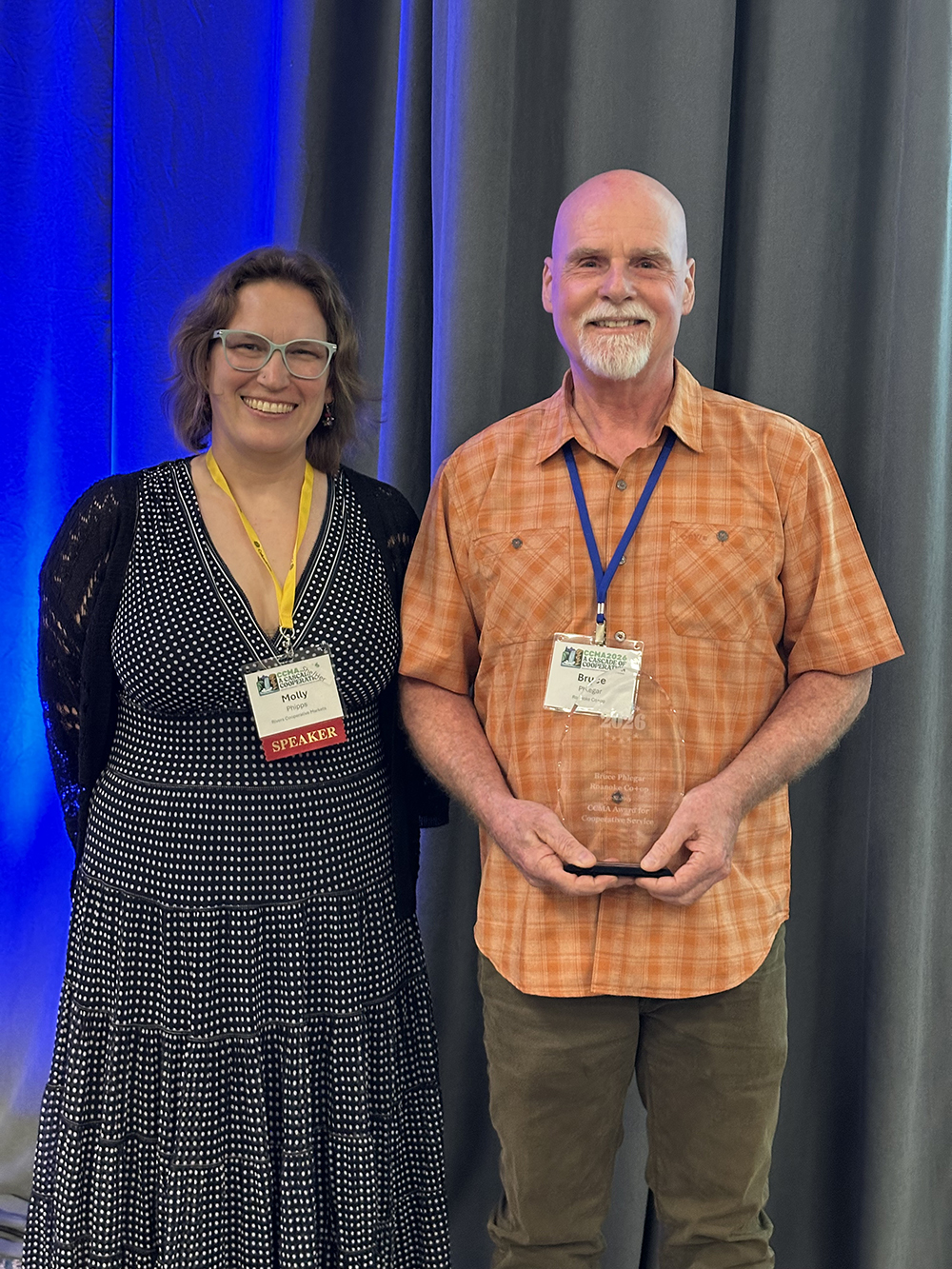
Bruce Phlegar (right) received the Cooperative Service award, which was presented by Molly Phipps (left).
|
|
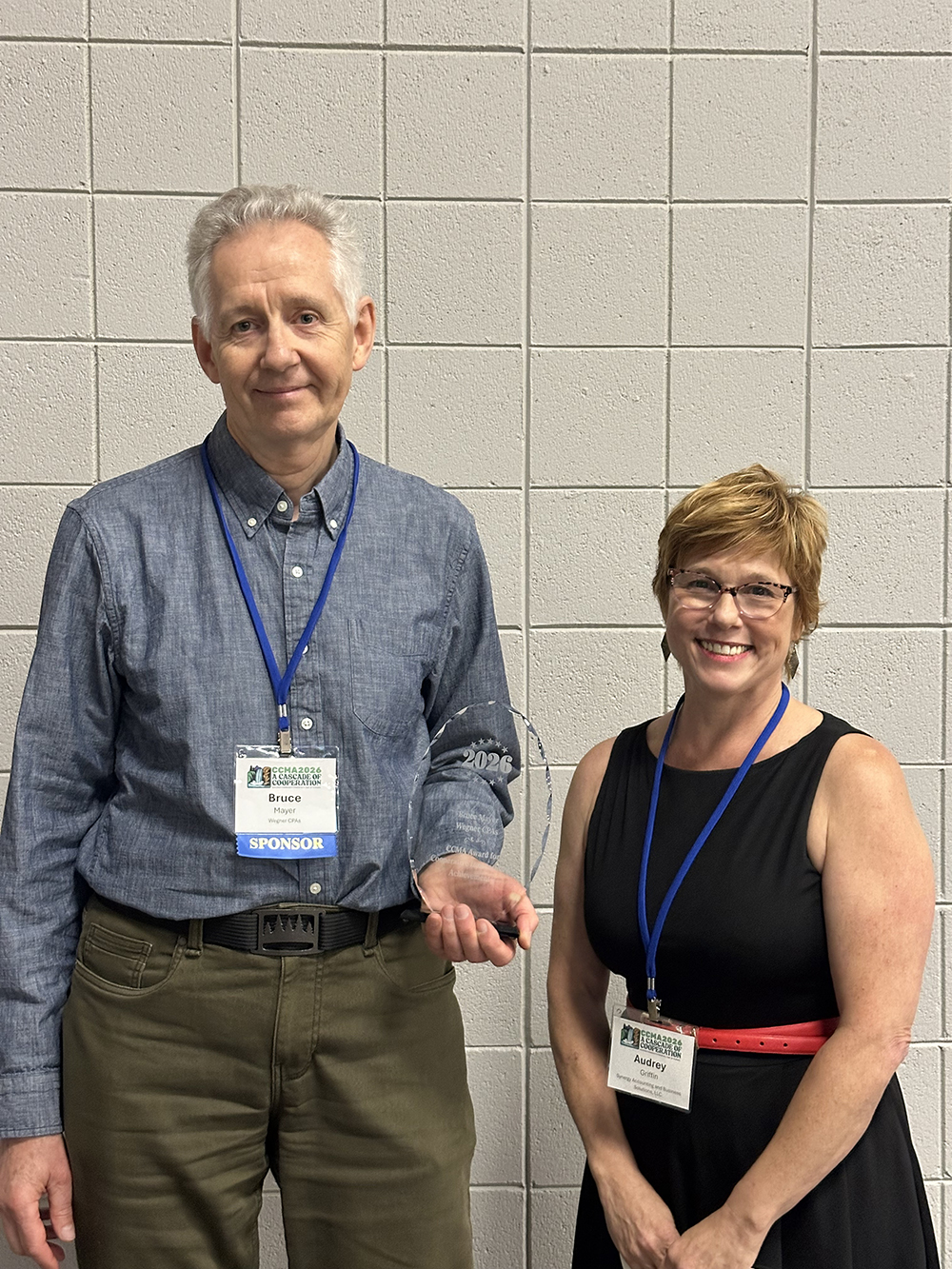
Bruce Mayer (left) received the Cooperative Innovation and Achievement Award, which was presented by Audrey Griffin (right).
|
|
|
|
UWCC looks forward to bringing food cooperators together again in
Ithaca, New York, June 3–5, 2027.
|
|
|
|
UWCC Unveils New Mission, Vision, and Values Statements
It may feel counterintuitive, but sometimes the best thing to do during challenging, uncertain times is to pause, look inward, and reconnect with the values and vision that inspire you. During the first half of 2026, that is exactly what we did at the UW Center for Cooperatives. With the help of meeting facilitator extraordinaire Kathy Germann, over the course of several weeks, our team generated new mission, vision, and values statements that communicate who we are, the work we want to accomplish, and the values we are committed to upholding along the way. We hope these statements inspire you as well—both to connect with us at the UW Center for Cooperatives and to remain steadfast in the work you do—wherever you find yourself in the cooperative movement. This work of building a better world through collective ownership is more important than ever.
Mission Statement: Rooted in Wisconsin’s rich cooperative legacy, UWCC delivers collaborative, innovative, and research‑informed education and resources to help people start and sustain cooperatives that meet the needs of communities in Wisconsin and beyond.
Vision Statement: UWCC works toward a future of collective wellbeing for all, where cooperatives are a vital part of a society grounded in dignity, fairness, and interconnection.
Values Statements:
Solidarity: We stand in solidarity with people improving lives and communities, fostering voice and agency within our team and beyond.
Humility: We approach our work with humility, cultivating reciprocal relationships built on trust and shared purpose.
Integrity: We act with integrity, stewarding entrusted resources and ideas with accountability and care.
Excellence: We strive for excellence anchored by cooperative values, taking pride in rigorous scholarship and responsive service that create lasting impact.
|
|
|
|
Building Cooperative Pathways in Wisconsin’s Respite Care Sector
Since spring 2023, UWCC has partnered with the Respite Care Association of Wisconsin (RCAW) and the ICA Group to expand the use of the cooperative model in Wisconsin’s respite‑care sector. This collaboration has focused on strengthening caregiver training, supporting emerging groups, and building a replicable pathway for launching worker‑owned respite businesses.
A major milestone of this work is the creation of the Co‑op Development Technical Assistance Award, now available to caregiver groups that complete RCAW’s Bringing Respite to Your Community (BRYC) Training. BRYC, a free online workshop that provides information needed to start a respite program in Wisconsin communities, now includes a clear introduction to cooperative ownership, helping caregivers explore democratic governance, shared decision‑making, and long‑term sustainability as part of their business planning.
The first award was granted this year to Full Circle Respite in Oshkosh, a caregiver‑led cooperative scheduled to launch this fall. Their progress demonstrates how targeted training, technical assistance, and cooperative education can accelerate new community‑based respite options.
To expand access even further, UWCC and RCAW are currently working with Frida Ballard of Worker Justice Wisconsin and Jesus Vargas of Quanticus Consulting to translate all BRYC materials and grant‑application documents into Spanish. This effort aims to ensure that Spanish‑speaking caregivers and communities can fully participate in cooperative development.
The long‑term vision is to refine this Wisconsin‑based model and replicate it nationally, strengthening the caregiving workforce while empowering caregivers through worker ownership.
|
|
|
|
|
|
|
In Brief: Resources and Updates
|
|
|
|
UWCC Receives Statewide Technical Assistance Grant
UWCC received a $127,000 grant that expands our capacity to support startup, converting, and established cooperatives across Wisconsin. UWCC provides services including organizational development, feasibility analysis and business planning, governance support, membership development, and training for members and boards, along with referrals to professional services.
This award is especially significant because it allows UWCC to provide assistance statewide. Previous funding limited services to rural communities and Madison, but this grant enables UWCC to reach cooperatives in all regions of Wisconsin.
|
|
|
|
2025 Impact: Growing Momentum for Cooperative Solutions
|
|
|
|
|
|
UWCC Advisory Committee Updates
Since its founding, UWCC has benefited from the guidance of an advisory committee that provides counsel on Center initiatives and perspectives on developments in their cooperative sector. UWCC is pleased to welcome the following individuals to the advisory committee:
- Domenico Fornaro, Chief Executive Officer, Mosaic Technologies
- Ben Nelson, Executive Director, Cooperative Network
- Matt Severson Chief Executive Officer, Premier Co-op
We also want to thank Jennifer Wickman of Cooperative Network for her service on the committee.
|
|
|
|
Cooperative Forestry Grants Awarded
Every winter, UWCC solicits proposals from cooperatives and non-profit organizations to fund the development of Wisconsin-based cooperatives or cooperative groups focusing on forest management, forest-related products, biomass energy, or forest-owner policy initiatives. This year, UWCC received eight applications totaling $160,402 in grant dollars requested. UWCC awarded two grants totaling $47,500 to the Wisconsin Prescribed Fire Council (WPFC) and Golden Sands Resource Conservation and Development Council, Inc. (Golden Sands RC&D). WPFC will build on their work from 2025 developing cooperative groups called Prescribed Burn Associations (PBA) with the creation of additional PBAs and provide technical assistance and training opportunities for members of all the PBAs based on the training program they developed in 2025. Golden Sands RC&D will further develop the cooperative group of landowners participating in the Demonstration Forest Program, create educational materials, and host community events around the program. The next call for proposals will be released in December 2026. Visit the UWCC website to learn more about Cooperative Forestry Grants.
|
|
|
|
ACE Institute 2026
Celebrating 75 Years: Shaping the Future of Co-op Education
July 29-31, 2026
Minneapolis, MN
|
|
|
|
Join cooperative educators from across North America at the ACE Institute 2026, July 29–31 in Minneapolis, MN, as we celebrate 75 Years: Shaping the Future of Co‑op Education. This engaging gathering features interactive sessions, local co‑op tours, and valuable opportunities to connect with peers and leaders in the movement. Highlights include a welcome reception, anniversary celebration, and recognition of excellence in co‑op education. Space is limited and scholarships are available—be sure to secure your spot!
|
|
|
|
Board Ready: A Training Series for New Co-op Directors
Sept. 15 - Oct. 13, 2026
Tuesdays | 10 am - 12 pm CT
Zoom
|
|
|
|
Designed for newly elected or first‑time cooperative directors, this series builds essential governance skills through sessions on director roles and responsibilities, cooperative finance basics, and tools for effective board performance.
|
|
|
|
Training for New Employees of Cooperatives
October 14, 2026, 9:30 - 11:00 am
October 21, 2026, 9:30 - 11:00 am
Zoom
|
|
|
|
This training is designed for employees of cooperatives seeking to deepen their understanding of the cooperative model. By the end of this training, attendees will have a stronger grasp of the cooperative identity and its impact on communities and economies.
This training is only for cooperatives based in Wisconsin.
|
|
|
|
|
|
|
|
|
|
|